
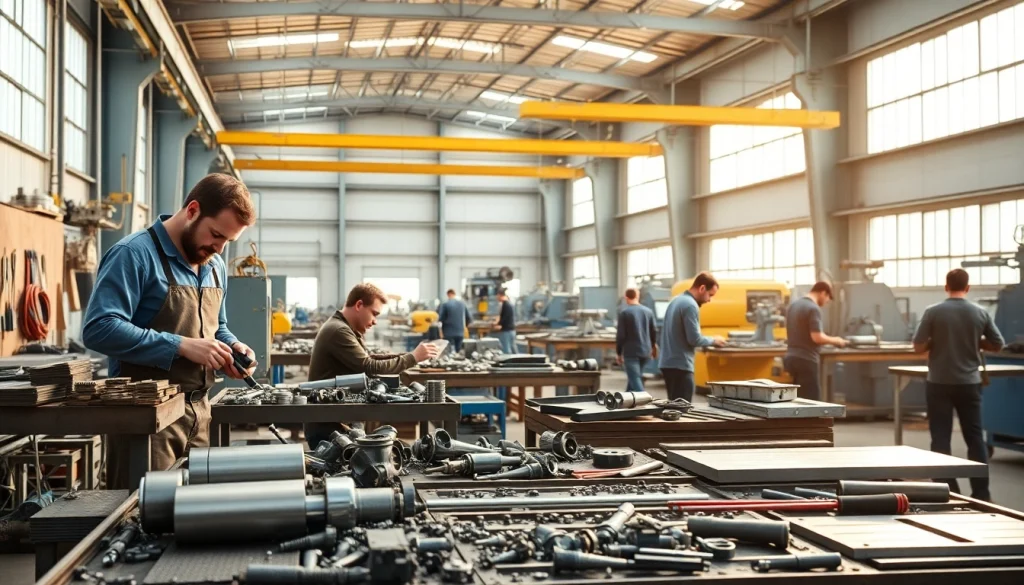
The Fundamentals of a Steel Fabrication Shop
Steel fabrication is a crucial aspect of the manufacturing industry, serving as the foundation for constructing everything from buildings to intricate machinery. A steel fabrication shop is a place where raw steel is transformed into semi-finished or finished products through various processes. Understanding the nuances of steel fabrication processes, the types of steel utilized, and the essential equipment involved is fundamental for anyone looking to delve into this dynamic field.
Understanding Steel Fabrication Processes
Steel fabrication involves several processes adapted to meet the specific requirements of a project. These processes generally include:
- Cutting: This can be done via sawing, shearing, or advanced methods like laser cutting and plasma cutting.
- Bending: Steel can be bent or molded using press brakes or rollers, which create the required shapes.
- Welding: This essential process joins metal pieces together, relying on various techniques such as MIG, TIG, and stick welding.
- Finishing: After fabrication, steel must often be finished through techniques like painting, galvanizing, or powder coating to enhance durability and aesthetics.
Each method requires specific skills and equipment, significantly impacting the final product’s quality and precision.
Types of Steel Used in Fabrication
Different types of steel are suited to various applications in the fabrication process. These include:
- Mild Steel: Affordable and versatile, mild steel is widely used for structural applications, offering good weldability and machining properties.
- Stainless Steel: Known for its corrosion resistance, stainless steel is essential in food processing and chemical environments, ensuring longevity and compliance with health standards.
- Alloy Steel: Enhanced strength and resistance properties make alloy steels ideal for applications requiring robust materials, such as tools and automotive components.
- Carbon Steel: This type of steel offers great strength and is commonly utilized in construction, from beams to rods.
Understanding which type of steel to use for specific projects can greatly influence performance and cost-effectiveness.
Essential Equipment for Steel Fabrication Shops
A well-equipped steel fabrication shop includes a variety of machinery and tools that enhance productivity and accuracy. Key equipment includes:
- Laser Cutters: Used for precise cutting of various steel types, enabling intricate designs and clean edges.
- Press Brakes: These machines bend and form steel sheets into desired angles and shapes, essential for many fabrication projects.
- Welding Equipment: Comprising MIG, TIG, and stick welders, this equipment is vital for joining metal parts.
- Drill Presses: Used for drilling holes in steel components with precision.
- Plasma Cutters: Ideal for cutting thick steel plates quickly and accurately.
Investing in the right equipment is essential for ensuring high-quality outputs and efficiency in operations.
Key Services Offered by Steel Fabrication Shops
Steel fabrication shops provide a range of services tailored to meet the unique requirements of various industries. Understanding these services can help businesses find the right solutions for their needs.
Custom Metal Fabrication Solutions
Many steel fabrication shops specialize in custom solutions to meet specific client needs. This can include unique designs, specifications, and applications across multiple industries. Engaging in custom projects allows fabricators to develop niche expertise, enhancing their competitive edge. Shops often work closely with architects and engineers to create prototypes before full-scale production, ensuring optimal functionality and design.
Welding Techniques in Steel Fabrication
Welding is pivotal in steel fabrication, providing strong joints that contribute to the overall integrity and stability of the finished product. Common welding techniques include:
- MIG Welding: Metal Inert Gas welding is popular for its speed and versatility, perfect for thin to medium-gauge metals.
- TIG Welding: Tungsten Inert Gas welding offers greater control and precision, making it ideal for intricate work and stainless steel fabrication.
- Stick Welding: Also known as manual metal arc welding, it is versatile and effective for outdoor work.
Each technique has its advantages and is selected based on the specific requirements of the project, including material thickness, joint configurations, and environmental factors.
Sheet Metal Fabrication Explained
Sheet metal fabrication is a specialized area in the steel fabrication sector. It involves cutting, bending, and assembling thin sheets of metal into various functional forms. The process can be automated using advanced CNC machinery, thereby enhancing precision and efficiency. Common applications of sheet metal fabrication include:
- HVAC systems
- Automotive parts
- Consumer electronics casings
Understanding the intricacies of sheet metal fabrication is critical for businesses aiming for high-quality production and customization.
Best Practices for Running a Steel Fabrication Shop
Effectively managing a steel fabrication shop requires adherence to best practices in various operational areas. This not only boosts productivity but ensures compliance with industry standards.
Safety Protocols in Steel Fabrication
Safety is paramount in any fabrication shop. Implementing robust safety protocols can reduce the risk of accidents. Key safety measures include:
- Regular training on equipment use and safety procedures.
- Mandatory Personal Protective Equipment (PPE) such as gloves, helmets, and goggles.
- Regular inspections of tools and machinery for functionality.
Fostering a safety-first culture is essential for ensuring the well-being of employees and minimizing operational downtime.
Quality Control Standards in Fabrication
Quality assurance plays a vital role in metal fabrication. Implementing comprehensive quality control standards ensures that products meet or exceed industry benchmarks. This involves:
- Establishing clear inspection criteria throughout the fabrication process.
- Utilizing measuring tools to ensure accuracy.
- Conducting regular audits of techniques and materials used.
Maintaining high-quality standards not only enhances customer satisfaction but also fosters long-term business relationships.
Effective Project Management Techniques
Managing projects effectively within the steel fabrication shop requires meticulous planning and communication. Successful techniques include:
- Defining project scopes and objectives transparently.
- Utilizing project management software for scheduling and monitoring progress.
- Encouraging feedback from team members to identify and mitigate potential issues early.
By adopting these practices, fabricators can ensure streamlined operations and timely completion of projects.
Challenges Facing Steel Fabrication Shops
Despite the opportunities, steel fabrication shops face several challenges that can hinder efficient operations. Identifying and addressing these issues is crucial for sustained success.
Addressing Workforce Skill Gaps
The manufacturing sector often struggles with a gap in skilled labor, particularly in welding and machining. This can lead to production delays and quality issues. To address this, shops can:
- Invest in training programs to upskill existing employees.
- Partner with local educational institutions for apprenticeship programs.
- Create a mentorship system whereby experienced workers train newer hires.
By focusing on workforce development, fabrication shops can ensure a consistent quality of work and reduce turnover rates.
Managing Material Costs
Material costs fluctuate based on market conditions, impacting overall profitability. Effective strategies for managing these costs include:
- Establishing strong supplier relationships to negotiate better prices.
- Implementing inventory management systems to reduce waste and optimize stock.
- Exploring alternative materials where suitable to reduce costs.
By adopting sound financial strategies, steel fabrication shops can stabilize their operations against cost fluctuations.
Navigating Regulatory Compliance
Steel fabrication shops must comply with a range of regulations regarding safety, environmental impact, and quality standards. To navigate this complex landscape:
- Stay informed about local, state, and federal regulations.
- Engage compliance experts for guidance on best practices.
- Conduct regular training programs focusing on legal compliance and ethical practices.
Proactive compliance management can mitigate risks and enhance the shop’s reputation within the industry.
The Future of Steel Fabrication Shops
The world of steel fabrication is evolving rapidly, driven by technological advancements and changing consumer demands. Forward-thinking shops are adapting to these trends to stay competitive.
Technological Innovations in Fabrication
Technology plays a pivotal role in enhancing the efficiency and capabilities of steel fabrication shops. Innovations include:
- 3D Printing: While traditionally associated with plastics, metal 3D printing is making strides, enabling rapid prototyping and complex geometries.
- Automation: The use of robotics in cutting, welding, and assembly processes can significantly improve production efficiency.
- CAD/CAM Software: Advanced design and manufacturing software streamline the design-to-manufacturing workflow.
Embracing these technologies can enhance precision and reduce operational costs, allowing shops to deliver superior products.
Sustainable Practices in Steel Fabrication
As environmental concerns grow, steel fabrication shops are focusing on sustainable practices. These can include:
- Implementing energy-efficient machinery and practices.
- Reducing waste through recycling and reusing materials.
- Utilizing sustainable materials where feasible.
Adopting sustainability initiatives can enhance brand loyalty among environmentally-conscious consumers and reduce operational costs.
Market Trends and Opportunities
The steel fabrication market is influenced by several trends, including increased demand for custom solutions and rapid technological advancement. Opportunities for growth include:
- Expanding into emerging markets seeking high-quality metal solutions.
- Offering specialized services tailored to niche markets.
- Adopting flexible manufacturing processes to respond to changing customer demands.
By staying ahead of market trends, fabrication shops can better position themselves for long-term success.
FAQs
What is a steel fabrication shop?
A steel fabrication shop transforms raw steel into usable products through various methods like cutting, bending, and welding to meet industry requirements.
What types of metalwork are commonly done?
Common metalwork includes custom metal fabrication, welding, sheet metal fabrication, structural steel assembly, and repair services across multiple industries.
How long does the fabrication process take?
The fabrication process duration varies based on project complexity and size, ranging from a few days to several weeks for larger custom jobs.
What is the difference between MIG and TIG welding?
MIG welding is faster and suitable for various metals, while TIG welding provides greater precision, ideal for intricate tasks and thin materials.
What safety measures are essential in steel fabrication?
Essential safety measures include using PPE, regular equipment inspections, employee training, and implementing safety protocols to mitigate risks.