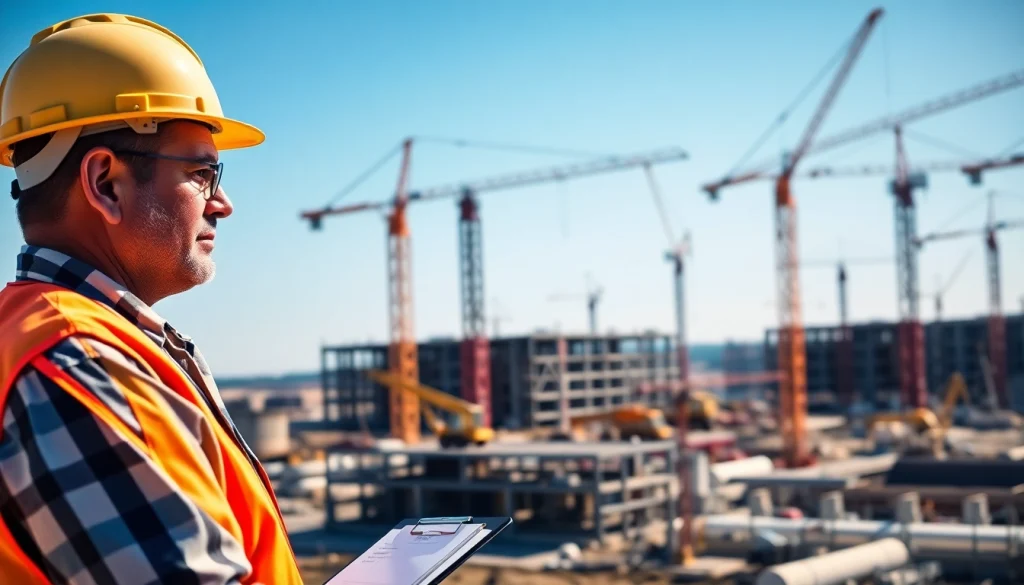
The role of a New Jersey Construction Manager is critical in the ever-evolving landscape of construction. As various projects come to life, a construction manager is essential for overseeing the intricate details and ensuring that everything runs smoothly and on schedule. From managing budgets to liaising with architects, subcontractors, and clients, their responsibility is multifaceted and dynamic. In this comprehensive guide, we will explore the essential responsibilities, qualifications, challenges, communication strategies, technological advances, and future trends affecting construction managers in New Jersey.
The Role of a New Jersey Construction Manager
Key Responsibilities of a New Jersey Construction Manager
A New Jersey Construction Manager wears many hats, and their responsibilities encompass every stage of the construction process. Here are some of the key aspects:
- Project Planning: This involves assessing project feasibility, establishing timelines, and developing budgets. Strategic planning is key to a project’s success.
- Resource Management: Effectively allocating resources such as labor, materials, and machinery ensures optimal operational efficiency.
- Quality Assurance: Ensuring that work meets the required standards and regulatory compliance is essential. Regular inspections and adherence to building codes are part of this responsibility.
- Communication: Serves as the liaison between various stakeholders, including clients, subcontractors, and suppliers. Clear communication is vital for progress.
- Risk Management: Identifying potential risks and addressing them proactively is a crucial responsibility that protects project interests.
Necessary Qualifications and Skills
To excel as a construction manager, specific qualifications and skills are indispensable. These include:
- Educational Background: A degree in Construction Management, Civil Engineering, or a related field is typically required. Certifications such as PMP (Project Management Professional) are also advantageous.
- Leadership Skills: Effective leadership and team management skills are necessary for motivating staff and stakeholders alike.
- Technical Proficiency: Familiarity with construction methods, architectural designs, and project management software is crucial.
- Problem-Solving Abilities: The ability to think critically and resolve issues as they arise can significantly impact project outcomes.
- Communication Skills: Strong verbal and written communication skills enhance stakeholder engagement and ensure clarity in timelines and expectations.
Career Progression in Construction Management
A career in construction management presents various progression opportunities. Entry-level positions often include roles like project engineer or assistant project manager. With experience and further education, professionals may advance to roles such as:
- Construction Supervisor: Responsible for overseeing the day-to-day activities on-site.
- Project Manager: Takes on larger projects and more extensive budgets.
- Senior Construction Manager: Involves strategic oversight of multiple projects.
- Director of Construction: Engages in high-level decision-making within a construction firm.
Challenges Faced by New Jersey Construction Managers
Common Project Hurdles
While rewarding, the role of a construction manager comes with distinct challenges. Among these, the most common include:
- Budget Constraints: Projects may exceed budgetary limits due to unforeseen circumstances or rising material costs.
- Time Management: Delays caused by weather, supply chain issues, or labor shortages can disrupt project schedules.
- Stakeholder Conflicts: Differing priorities among clients, contractors, and suppliers can create friction that managers must navigate skillfully.
Regulatory and Compliance Issues
Compliance with local regulations and building codes is crucial. New Jersey’s specific requirements may change, thus necessitating an up-to-date understanding of zoning laws and safety regulations. Construction managers must ensure their projects consistently meet these standards to avoid potential legal challenges or project delays.
Risk Management Techniques
Effective risk management is paramount to a successful construction project. Techniques include:
- ID Risks Early: Recognizing potential roadblocks during the planning phase can mitigate their impact later.
- Develop Contingency Plans: Having plans in place for financial or logistical emergencies allows for swift action when issues arise.
- Conduct Regular Reviews: Regular project reviews can help detect early signs of trouble, allowing for timely intervention.
Effective Communication Strategies
Stakeholder Engagement
Building strong relationships with stakeholders is crucial for a New Jersey Construction Manager. This involves:
- Regular updates on project status, challenges, and changes.
- In-person meetings to strengthen rapport and encourage open dialogue.
- Utilizing communication tools and platforms that facilitate seamless information sharing.
Team Coordination and Staff Management
Efficient team coordination promotes productivity. Strategies include:
- Defining Roles: Clear role definitions streamline processes and minimize confusion.
- Encouraging Open Communication: Foster an environment where team members feel comfortable voicing opinions or concerns.
- Regular Check-Ins: Scheduled meetings and one-on-one sessions keep team morale high and address issues timely.
Client Relationship Building
Nurturing relationships with clients can lead to repeat business and positive referrals. Tactics include:
- Setting Realistic Expectations: Ensure clients are fully aware of project timelines and potential challenges.
- Providing Excellent Service: Aim for transparency throughout the project’s lifecycle to build trust.
- Post-Project Follow-Up: Checking in with clients after project completion can foster ongoing relationships.
Technology in Construction Management
Leveraging Building Information Modeling (BIM)
Building Information Modeling (BIM) is a game-changer in construction management. It allows construction managers to:
- Create detailed visual representations of projects, facilitating better decision-making.
- Enhance collaboration across teams, as everyone can view and engage with the same resources.
- Predict potential issues before they arise, thus improving project efficiency.
Project Management Software Tools
Effective project management software is vital for tracking progress and documentation. Tools may include:
- Scheduling Software: Essential for keeping projects on timeline by allotting tasks and deadlines.
- Budgeting Tools: Helps in monitoring expenses and managing project costs.
- Collaboration Platforms: Facilitate real-time communication among stakeholders.
Emerging Technologies in the Industry
New technologies are reshaping the construction sector. Examples include:
- Drone Technology: Drones provide aerial surveys and real-time monitoring, improving site visibility.
- 3D Printing: This emerging technology reduces material waste and speeds up construction.
- Virtual Reality (VR): VR enables immersive project visualization, allowing clients to ‘walk through’ a project before completion.
Future Trends for New Jersey Construction Managers
Sustainability Practices in Construction
Sustainability is becoming a priority in the construction industry. Future practices will include:
- Eco-Friendly Materials: Utilizing sustainable resources reduces environmental impact.
- Energy Efficiency: Designing structures that minimize energy consumption is increasingly demanded.
- Waste Reduction: Embrace innovative practices for minimizing waste at all stages of construction.
Shifts in Market Demands
A New Jersey Construction Manager must adapt to evolving market demands, such as:
- Affordable Housing: There’s a growing need to focus on cost-effective construction solutions.
- Smart Construction: Infrastructure with integrated technology for improved functionality is increasingly in demand.
- Community Engagement: Projects that benefit the community and are endorsed by local stakeholders tend to be more successful.
Continued Professional Development
To remain competitive, construction managers must pursue ongoing education, including:
- Training Programs: Enroll in workshops and courses to stay abreast of new technologies and regulations.
- Networking Opportunities: Engage with industry professionals for shared knowledge and best practices.
- Certifications and Licenses: Pursuing advanced certifications demonstrates a commitment to excellence.
Frequently Asked Questions
What qualifications do I need to become a construction manager?
Typically, a degree in Construction Management or Civil Engineering is required. Relevant experience and certifications like PMP enhance job prospects.
How can I improve communication with my team?
Regular meetings, clear role definitions, and utilizing collaboration tools foster better communication among team members.
What emerging technologies impact construction management?
Drones, BIM, and 3D printing are key technologies affecting the construction landscape by enhancing efficiency and accuracy.
What challenges do construction managers face in New Jersey?
Common challenges include budget constraints, regulatory compliance issues, and labor shortages, all requiring proactive management strategies.
How can I ensure project sustainability?
Focus on using eco-friendly materials, implement energy-efficient designs, and reduce waste during construction to promote sustainability.