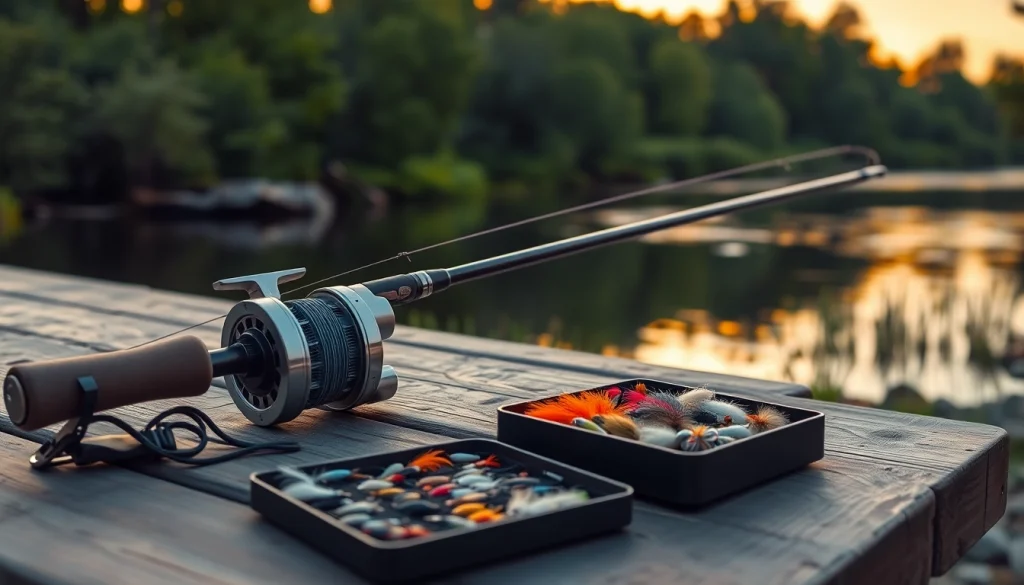
Understanding the Basics of Fly Fishing Combos
For both novice and seasoned anglers, understanding fly fishing combos is vital in maximizing the fishing experience. A well-chosen Fly fishing combo combines necessary equipment in a streamlined package, making it easier for enthusiasts to get started or enhance their skill set. In this section, we will delve into what a fly fishing combo is, its key components, and the advantages of using one.
What is a Fly Fishing Combo?
A fly fishing combo typically refers to a bundled set that includes a fly rod, reel, line, and often additional accessories like backing, a leader, and even a selection of flies. This all-inclusive setup is designed to meet the needs of anglers across various skill levels. Essentially, a fly fishing combo simplifies the process for individuals by providing everything needed to start fishing effectively.
Components of a Fly Fishing Combo
The primary components of a fly fishing combo include:
- Fly Rod: Usually made from materials such as graphite or fiberglass, the rod varies in construction and action to suit different fishing styles.
- Fly Reel: The reel is responsible for holding the line and managing it during cast and retrieve phases. It must balance effectively with the rod.
- Backing: This is a line attached to the reel that provides extra length and strength, essential for larger fish that may pull line quickly.
- Fly Line: Available in various weights and floating or sinking types, the line is essential for casting flies effectively.
- Leader and Tippet: These lines connect the fly to the fly line and help present the fly to fish more naturally.
Benefits of Using a Fly Fishing Combo
Investing in a fly fishing combo offers numerous benefits:
- Convenience: Combos come pre-matched, making them easy to use right out of the box. There’s no need to figure out compatibility between rod, reel, and line.
- Cost-effective: Purchasing a combo is often more economical than buying each component separately.
- Guidance for beginners: Many combos are designed with beginners in mind, providing essential gear that caters to learning curves.
- Streamlined selection: With everything selected for compatibility, users can focus on fishing rather than shopping.
Selecting the Perfect Fly Fishing Combo for Your Needs
Choosing the right fly fishing combo involves an understanding of your skill level, the fishing environments, and budget considerations. This section breaks down each of these critical elements.
Identifying Your Skill Level
Your skill level plays a significant role in selecting a fly fishing combo. Beginners should look for a setup with forgiving action that makes casting simpler and more forgiving of mistakes. Intermediate and advanced anglers may prefer a more specialized combo that can handle specific types of fish or fishing styles.
Matching the Combo to Your Fishing Environment
Different fishing situations demand specific types of gear. For instance, if you fish in coastal waters, seek a combo that includes heavier rods and lines suited for saltwater conditions. Conversely, if you’re angling in small freshwater streams, lighter rods and tackle will be more effective. Always assess your fishing environment before settling on a combo.
Budget Considerations for a Fly Fishing Combo
Budget-conscious anglers might feel overwhelmed by the choices available. Establish a budget that reflects how often you plan to fish and the type of fishing you’ll be doing. That said, there are excellent options within every price range. Generally, spending more may yield better materials and craftsmanship, resulting in a more enjoyable fishing experience.
Maintenance Tips for Your Fly Fishing Combo
Caring for your fly fishing combo is essential for ensuring longevity and enhancing performance. Here are some fundamental maintenance tips to keep your gear in top condition.
Cleaning and Storing Your Gear
After every fishing trip, clean your rod and reel with fresh water to remove dirt and salt that can cause corrosion. Also, make sure to dry your gear thoroughly before storing, and keep it in a cool, dry place to prevent damage. Use rod socks or cases to protect the rod and reel from physical damage.
Replacing Lines and Leaders
Lines and leaders experience wear and tear over time, affecting casting accuracy and presentation. Regularly inspect your lines for frays and knots. Replace them as necessary, especially before the start of a new fishing season. A good rule of thumb is to replace leaders every few trips.
Regular Inspections for Longevity
Conduct routine inspections of all components of your Fly fishing combo. Look for any signs of damage, wear, or rust, especially in the reel and guides of the rod. Addressing minor issues promptly can prevent larger problems down the line.
Enhancing Performance with Accessories
Accessories can significantly enhance your fly fishing experience. In this section, we will explore some must-have accessories and how they impact your fishing performance.
Recommended Fly Fishing Accessories
Some essential accessories include:
- Safety & Rescue Gear: Items like a personal flotation device (PFD) can be lifesavers.
- Fly Boxes: Organize and protect your flies, making it easier to select them while fishing.
- Forceps & Nippers: Useful for handling fish and cutting line, these are must-have tools.
- Waders & Boots: Stay dry and comfortable, allowing you to focus on fishing.
How Accessories Impact Your Fly Fishing Combo
Accessories not only make fishing easier but can also enhance your overall effectiveness on the water. For example, specialized line nippers allow for quick cuts, improving efficiency during a busy day of fishing. Similarly, using a quality fly box can ensure your flies are organized and protected, making selection a breeze.
Customizing Your Setup for Better Results
Customizing your fly fishing combo with the right accessories tailored to your needs allows for greater flexibility and effectiveness. For instance, interchangeable reels can help you adapt to different fishing conditions quickly. Personalizing your setup ensures that you are prepared for any fishing scenario.
Frequently Asked Questions About Fly Fishing Combos
What is the best material for a fly rod?
Graphite offers the best sensitivity and performance, while fiberglass is more forgiving and often cheaper, making it great for beginners.
How do I choose the right weight for my fly fishing combo?
The right weight depends on target fish species; generally, 4-6 weight rods are ideal for trout, while 8-10 weights are better for saltwater species.
Can I use a fly fishing combo in saltwater?
Yes, but ensure that the combo is designed for saltwater use with corrosion-resistant features to withstand harsher environments.
What are the key features to look for in a beginner’s fly fishing combo?
Look for ease of use, such as a medium action rod, a balanced reel, and all essential accessories included to streamline your start.
How should I transport my fly fishing combo?
Use a rod tube or case designed for fly rods, ensuring they are securely housed to prevent damage during transport.