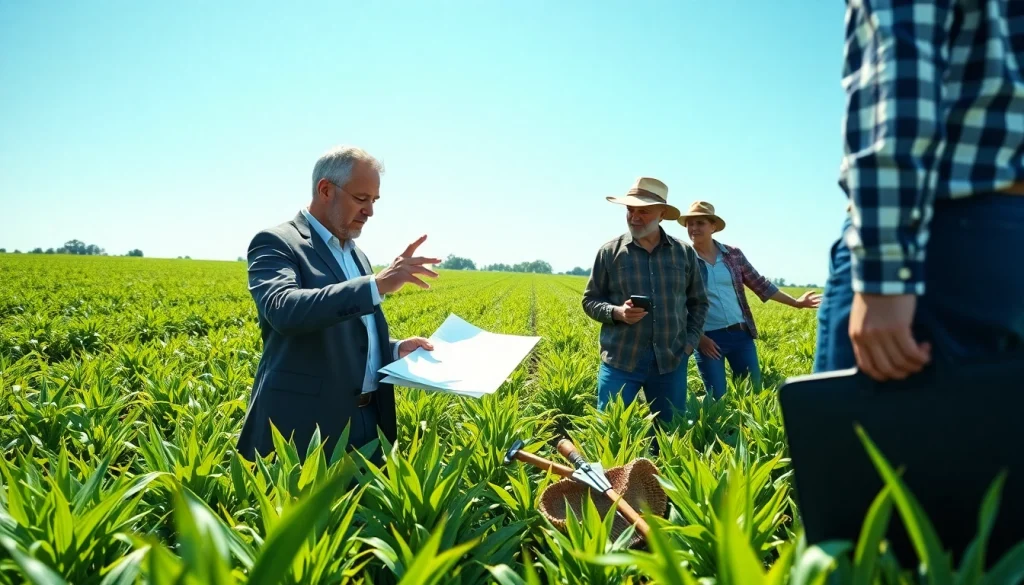
Understanding Agriculture Law
What is Agriculture Law?
Agriculture law is a complex and specialized branch of law that governs the myriad activities involved in agricultural production. It encompasses various legal aspects such as legislation related to crop production, livestock management, land use, environmental regulations, and food safety standards. Fundamentally, agriculture law aims to support the agricultural community, ensuring that farming practices are sustainable and compliant with relevant laws, thereby protecting both the environment and agricultural stakeholders.
This area of law also includes elements of tax law, labor law, and intellectual property law, making it imperative for farmers and agribusinesses to engage with expert legal counsel—an agriculture lawyer—to navigate these intricacies efficiently.
Key Regulations Affecting Farmers
Farmers must comply with a variety of federal, state, and local regulations. Key regulations include the following:
- Food Safety Modernization Act (FSMA): A federal law aimed at preventing foodborne illnesses by ensuring that food is safe, sanitary, and free from contamination.
- Environmental Protection Agency (EPA) Regulations: These regulations focus on protecting the environment from agricultural pollution, including chemical discharge and waste management.
- Land Use and Zoning Laws: Local ordinances that dictate how farmers can use their land, including restrictions on livestock, crop types, and building structures.
- Labor Laws: Regulations to protect the rights of agricultural workers, including wage laws, working conditions, and safety regulations.
- Animal Welfare Laws: Laws that ensure humane treatment of animals within agricultural settings.
Familiarity with these regulations helps farmers not only avoid penalties but also enhances their operational efficiency.
Importance of Compliance for Agricultural Businesses
Adhering to agriculture laws and regulations is essential for various reasons:
- Legal Protection: Compliance shields farmers from lawsuits, fines, and other penalties that can arise from regulatory breaches.
- Market Access: Many markets have stringent compliance standards; meeting legal requirements is often necessary to access these markets.
- Sustainability Efforts: Legal compliance encourages sustainable practices that contribute to long-term environmental health and resource availability.
- Consumer Trust: Adherence to food safety and quality regulations builds consumer confidence in agricultural products.
Services Provided by Agriculture Lawyers
Legal Consultation and Advisory Services
Agriculture lawyers offer a range of consultation services, guiding farmers on compliance with agricultural laws and regulations. These consultations can cover topics such as land use practices, environmental regulations, and labor laws. By having an advisor who specializes in agriculture law, farmers receive tailored legal strategies that foster operational compliance and mitigate risks associated with legal challenges.
Contract Negotiation and Review
Contracts are pivotal in agriculture for various agreements, from land leases to sales contracts. Agriculture lawyers expertly negotiate and draft contracts to ensure that all terms are fair and compliant with the law. This protects farmers from exploitative practices, ensuring they enter into agreements that align with their business goals and legal requirements.
Dispute Resolution and Litigation Support
Disputes can arise from various facets of agricultural business dealings, including zoning issues, contract disputes, and liability claims. Agriculture lawyers provide essential support in resolving these disputes, whether through negotiation, mediation, or litigation. Their expertise helps farmers navigate conflicts efficiently while pursuing favorable outcomes.
Common Legal Issues in Agriculture
Land Use and Zoning Challenges
One of the most significant legal challenges farmers face is navigating land use and zoning regulations. Each area has specific laws governing how land can be utilized, which can impact agricultural expansion or operational adjustments. These regulations might include restrictions on livestock numbers, crop types, or even the construction of farm buildings. Agriculture lawyers assist farmers in understanding these laws to avoid potential pitfalls that might hinder their operations.
Water Rights and Environmental Regulations
Water rights represent another major legal area affecting farmers. Access to water is crucial for agricultural production, yet it is often mired in legal complexities. Farmers must navigate existing water rights laws, which might limit their access to necessary resources. Furthermore, compliance with environmental regulations promulgated by agencies like the EPA is critical to ensure that water use does not lead to pollution or depletion of resources.
Intellectual Property in Agriculture
As the agriculture sector evolves, legal issues surrounding intellectual property (IP) strategies become increasingly important, particularly concerning seed patents, trademarks, and proprietary agricultural processes. Farmers must protect their innovations to ensure competitive advantage. Agriculture lawyers can help navigate the patent application process, enforce IP rights, or defend against infringement claims, ensuring that agribusinesses can benefit from their intellectual assets.
Choosing the Right Agriculture Lawyer
Qualities to Look for in an Agriculture Lawyer
When selecting an agriculture lawyer, farmers should consider several key qualities:
- Specialization: Look for lawyers who specialize in agriculture law to ensure familiarity with the unique legal challenges within this field.
- Experience: An established track record of successful case outcomes in agriculture-related legal issues provides assurance of competence and reliability.
- Communication Skills: Effective lawyers should communicate complex legal concepts clearly and concisely, making it easier for clients to understand their options.
- Reputation: Researching a lawyer’s reputation through reviews, testimonials, and referrals is crucial to gauge their reliability and client satisfaction.
How to Assess Experience and Expertise
To evaluate an agriculture lawyer’s experience and expertise, farmers should:
- Request a portfolio of previous cases similar to their legal needs.
- Inquire about the attorney’s education and ongoing professional development regarding agricultural law.
- Ask about specific outcomes in past cases, looking for positive testimonials from other farmers.
- Seek potential referrals from industry organizations or similar entities in the agriculture sector.
Questions to Ask During Initial Consultations
During an initial consultation, potential clients should ask the following questions to gauge the suitability of the agriculture lawyer:
- What is your experience with agricultural law and related regulations?
- Can you provide examples of case outcomes similar to mine?
- How do you charge for your services? Are there retainer fees or hourly rates?
- What strategies would you recommend to address my specific legal issues?
The Impact of Legal Support on Farming Success
Case Studies of Successful Legal Interventions
Several case studies illustrate the significant role that agriculture lawyers play in enhancing farming success:
For instance, in a recent case involving a conflict over land use zoning regulations, a farmer was able to successfully expand his operation after an agriculture lawyer negotiated a favorable outcome with local zoning authorities. The lawyer helped the farmer present evidence demonstrating the economic benefits of this expansion, leading to a favorable resolution that adhered to the applicable regulations.
In another situation, an agribusiness faced penalties due to a violation of environmental regulations. A skilled lawyer promptly intervened, helping the company develop a comprehensive compliance strategy that not only mitigated the penalties but also improved overall sustainability practices, ultimately enhancing the business’s reputation with consumers.
Long-term Benefits of Having an Agriculture Lawyer
Engaging an agriculture lawyer offers several long-term benefits:
- Proactive Risk Management: With legal counsel, farmers can anticipate and address potential legal issues before they escalate.
- Enhanced Compliance: Continuous legal support ensures ongoing regulatory compliance, fostering sustainable practices and market access.
- Strategic Planning: Agriculture lawyers can guide farmers in making informed decisions regarding expansions, contracts, and new ventures.
- Peace of Mind: Having legal expertise allows farmers to focus on their agricultural operations without the burden of legal uncertainties.
Future Trends in Agriculture Law
As agriculture continues to evolve alongside technological advancements and shifting market dynamics, several future trends will significantly impact agricultural law:
- Sustainability Regulations: Anticipated increases in environmental regulations will prompt farmers to embrace sustainable practices that meet legal standards.
- Technological Innovation: The growing use of technology in farming will necessitate new legal considerations surrounding data privacy and intellectual property rights.
- Global Trade Laws: As agriculture increasingly operates on a global scale, international trade agreements and regulations will play a vital role in shaping agricultural law.
- Consumer Advocacy: Heightened consumer awareness regarding food sourcing will influence regulations and lead to increased transparency demands in food production.