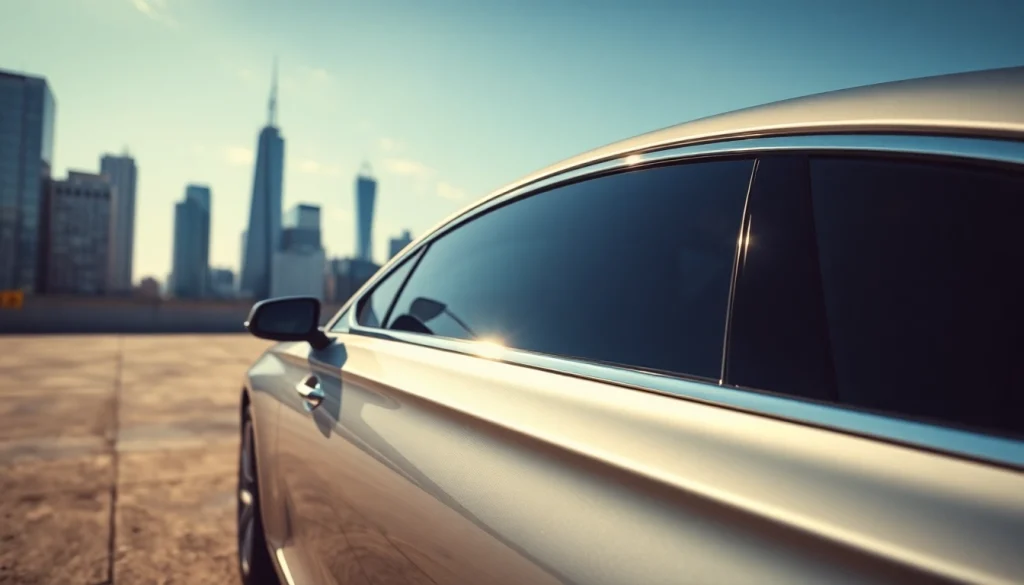
Understanding Window Tinting
What is Window Tint?
Window tinting refers to the process of applying a thin film to a vehicle’s or building’s glass windows. This film can vary in shades and types, providing different appearances and functionalities. The primary purpose of window tint is to reduce glare from sunlight, maintain privacy, and protect interiors from harmful UV rays. In recent years, window tinting has grown in popularity as drivers seek to enhance the comfort and aesthetic of their vehicles, as well as protect them from sun damage.
Types of Window Films
There are several types of window films, each designed for specific needs. Understanding these can help you select the best option:
- Dyed Window Films: These are one of the most affordable options, providing a certain level of privacy and glare reduction. They work by absorbing sunlight and not reflecting it.
- Metalized Window Films: Metalized films contain tiny metallic particles, offering superior UV protection and solar heat rejection. They also enhance the shatter resistance of glass.
- Carbon Window Films: With a matte finish, carbon films provide great UV protection and heat rejection without a reflective appearance.
- Ceramic Window Films: These films are the most advanced, offering excellent heat and UV protection while allowing clear visibility. They don’t fade over time and are non-metallic, preventing signal interference.
- Hybrid Window Films: Combining features of dyed and metalized films, hybrids provide decent heat rejection while maintaining a non-reflective appearance.
Benefits of Window Tinting
The benefits of window tinting extend beyond aesthetics. Here are some key advantages:
- UV Protection: Window tint blocks up to 99% of harmful UV rays, protecting your skin and preventing your vehicle’s upholstery from fading.
- Heat Reduction: Tinted windows help keep your car cooler by reducing heat buildup, making it more comfortable on hot days and decreasing the energy needed for air conditioning.
- Privacy and Security: Tinted windows provide an added layer of privacy by limiting the visibility into your vehicle, which can deter theft.
- Enhanced Aesthetics: A well-chosen tint can enhance the look of your car, giving it a sleek and polished appearance.
- Energy Efficiency: Reduced heat gain can lead to lower fuel consumption as your air conditioning system won’t have to work as hard, promoting energy efficiency.
Choosing the Right Window Tint Near Me
Factors to Consider
When searching for window tint near me, several factors come into play that can affect your decision:
- Legal Regulations: Different areas have specific laws dictating how dark the tint can be and which windows it can cover. Ensure you understand local regulations before making a choice.
- Desired Functionality: Consider the main reasons for tinting – whether it’s heat reduction, UV protection, or merely aesthetics – and choose a film accordingly.
- Quality of Installation: The quality of installation can vary widely among service providers. Look for reviews and recommendations when selecting a service.
- Warranty and Durability: Ensure the film comes with a warranty covering several years, guaranteeing its durability and performance over time.
Common Mistakes to Avoid
When getting window tinting, buyers often make common mistakes that can lead to dissatisfaction:
- Ignoring Legality: Many neglect to verify local laws regarding tint. This can lead to reminders or even fines.
- Overlooking Material Quality: Choosing the cheapest option may result in poor performance and increased likelihood of bubbles or fading.
- Skipping Professional Installation: DIY installations often lead to mistakes that a professional would avoid, leading to unsatisfactory results.
Local Regulations and Laws
Every state and region has laws governing window tints. These might dictate the allowed Visible Light Transmission (VLT) levels, which refers to how much light can pass through the glass. Researching local laws is crucial because enjoying the benefits of tint also means adhering to legal standards to avoid penalties.
The Installation Process
Preparation Steps
Before installation, it’s important to prepare your vehicle properly. Here are key steps to ensure a smooth installation:
- Clean the Windows: Thoroughly clean the windows to remove any dirt, grease, or residues, which can interfere with adhesion.
- Choose the Right Time: Schedule installation during a temperature-friendly day to ensure optimal adherence and performance of the film.
- Check for Issues: Inspect the glass for any cracks or chips; these should be addressed before tinting.
Step-by-Step Installation Guide
Understanding the installation process can help ensure you receive a quality job:
- Cutting the Film: Based on the measurements of your windows, the film is cut slightly larger than the window dimensions.
- Preparing Water Solution: A mixture of water with a few drops of dish soap is sprayed on the window and the adhesive side of the film for easy placement.
- Applying the Film: Align the film with the window edges and gently press it against the glass, removing any bubbles outwards.
- Trimming Excess: Once the film is applied, any excess material is carefully trimmed off to achieve a perfect fit.
- Squeegeeing: A squeegee is used to remove any remaining bubbles and water from underneath the film.
- Final Curing: Allow the film to cure properly for a few days, avoiding rolling down windows to ensure adhesion.
Post-Installation Care
Proper care ensures the longevity of your window tint. Here are steps to follow post-installation:
- Avoid Water: Do not wash your vehicle for at least a week to ensure the tint adheres correctly.
- Use Soft Materials: Clean the window with a microfiber cloth and avoid harsh chemicals that can damage the film.
- Hold Off on Rolling Windows: Refrain from rolling down windows for at least 3-5 days after installation.
Cost of Window Tint Near Me
Average Pricing Breakdown
The cost of window tinting can vary significantly based on multiple factors. On average, prices can range from $100 to $400 for a standard vehicle. Factors affecting this include the size of the vehicle, the type of film chosen, and whether it’s a full or partial job. Luxury vehicles or multi-window installations can incur higher costs.
Understanding Return on Investment
When assessing the value of window tinting, consider the ROI in terms of comfort, health protection, and potential savings on energy costs. The initial investment may lead to long-term benefits such as reduced air conditioning expenses and extended vehicle life.
Factors Affecting Price
Several factors contribute to the overall price of window tinting services:
- Film Quality: Higher-end films designed with advanced technology will typically cost more but provide better performance.
- Vehicle Size: Larger vehicles require more material and labor, increasing installation costs.
- Location of Service: Installation costs can vary by region based on local market conditions and costs of labor.
Frequently Asked Questions
How long does window tint last?
Quality window tint can last between five to fifteen years, depending on film type and installation quality. Regular maintenance also impacts longevity.
Can I install window tint myself?
While DIY kits are available, professional installation is recommended to achieve optimal results without bubbles or misalignment.
What is the best tint for UV protection?
Ceramic films offer the best UV protection, blocking up to 99% of harmful rays while maintaining visibility and comfort.
Does window tint reduce heat?
Yes! Properly applied window tint significantly reduces heat buildup inside your vehicle, enhancing comfort and reducing the need for air conditioning.
What should I do if the tint bubbles?
If you notice bubbles, contact your installer. Many reputable services will address post-installation bubbles as part of their warranty.