
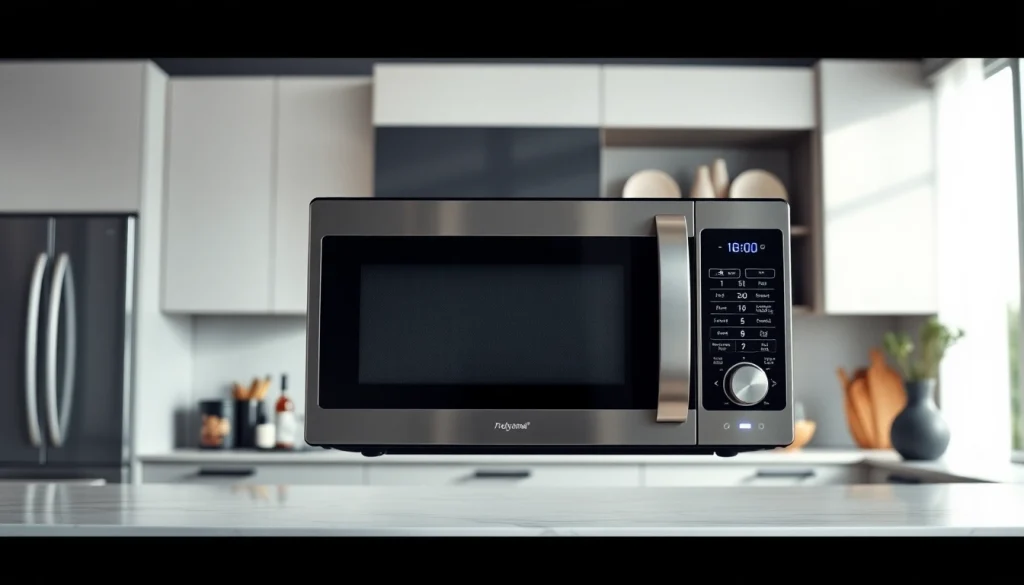
Understanding Microwave Oven Technology
How Microwave Ovens Work
At the core of every Microwave Oven lies a simple yet effective technology that revolutionizes the way we cook and heat food. Microwave ovens work by utilizing electromagnetic radiation, specifically microwaves, to agitate water molecules within food. When microwaves are emitted from the magnetron, they penetrate the food and cause water molecules to vibrate rapidly. This vibration creates heat, which cooks the food from the inside out. The unique advantage of microwave technology is its ability to cook food quickly, unlike conventional ovens that primarily use convection heat, which circulates hot air around the food. This fundamental understanding of microwave functionality sets the stage for maximizing its use in your kitchen.
Key Components of a Microwave Oven
A standard Microwave Oven consists of several key components that enhance its efficiency and usability:
- Magnetron: The core component that generates microwaves.
- Cavity: The interior space where food is placed.
- Turntable: A rotating platform that allows even heating.
- Control Panel: The interface for setting time and power levels.
- Door Safety Interlock: A mechanism that stops the microwave when the door is opened to prevent exposure to harmful radiation.
Each of these components plays a vital role in ensuring that the Microwave Oven operates safely and effectively, delivering consistent results in food preparation.
Benefits of Using a Microwave Oven
The advantages of integrating a Microwave Oven into your cooking repertoire are manifold:
- Time Efficiency: Speeds up cooking and reheating significantly compared to traditional cooking methods.
- Energy Efficiency: Consumes less electricity, making it more cost-effective for regular use.
- Versatility: Capable of defrosting, cooking, and reheating a wide range of foods.
- Preservation of Nutrients: Cooks food quickly, which helps in retaining vitamins and minerals that can be lost in prolonged cooking times.
- Ease of Use: Simple controls and automatic settings make it user-friendly, even for those who are less experienced in the kitchen.
These benefits make the Microwave Oven an indispensable tool in modern cooking, catering to both busy lifestyles and culinary creativity.
Choosing the Right Microwave Oven
Types of Microwave Ovens
When selecting a Microwave Oven, consider the following main types available:
- Countertop Microwaves: Versatile and easy to move, ideal for small kitchens.
- Built-in Microwaves: Custom installations that save counter space and offer a sleek appearance.
- Over-the-Range Microwaves: Combine a microwave with a range hood, saving space and enhancing kitchen functionality.
- Convection Microwaves: Use both microwave and convection cooking, providing even browning and crisping.
Size and Capacity Considerations
Choosing the right size and capacity for your Microwave Oven is crucial to ensure it fits your cooking needs.
Typical capacities range from 0.5 to 2.2 cubic feet, suitable for various food sizes and quantities. For single-person households, a smaller capacity might suffice, while larger families may require units with more significant capacity. Additionally, ensure the exterior dimensions fit your kitchen space to avoid unnecessary hassle during installation.
Features to Look for in a Microwave Oven
As you evaluate options, consider important features that could enhance your cooking experience:
- Power Levels: Adjustable power settings allow for precise cooking based on the type of food.
- Sensor Cooking: Automatically adjusts cooking time and power for perfect outcomes.
- One-Touch Settings: Pre-programmed options that simplify the cooking process for common foods.
- Child Lock Features: Ensures safety in homes with young children.
- Easy-Clean Interiors: Non-stick coatings or steam-cleaning features help in maintaining hygiene.
Assessing these features based on your cooking style will lead to a more satisfactory Microwave Oven experience.
Microwave Oven Cooking Tips
Best Practices for Even Heating
In order to achieve consistent results with your Microwave Oven, consider these best practices:
- Use Microwave-Safe Containers: Ensure that your cooking vessels allow microwaves to penetrate while being safe to use.
- Stir and Rotate: Stirring food halfway through cooking time promotes even heat distribution.
- Cover Food: Using a lid or microwave-safe cover can help retain moisture and heat.
Tips for Reheating Food
Reheating leftovers can sometimes lead to uneven warming or dry food. These techniques can enhance your results:
- Add a Splash of Water: For foods that tend to dry, adding a bit of water can help maintain moisture.
- Use Low Power Settings: Reheating on lower power ensures gradual heating, reducing the risk of overheating and drying out the food.
- Check Temp Regularly: Periodically test the temperature of reheated food for optimal enjoyment.
Microwave Oven Safety Guidelines
Safety should be a primary concern while using your Microwave Oven. Here are some essential tips:
- Use Microwave-Safe Dishes: Avoid metal containers and ensure that ceramic and glass containers are labeled microwave-safe.
- Do Not Overcrowd: Allow space for food to expand, which avoids unnecessary spills or uneven heating.
- Regularly Inspect the Door: Ensure that the door seals properly and that the interlock system functions to prevent accidents.
Maintaining Your Microwave Oven
Cleaning Your Microwave Oven
Regular maintenance can prolong the lifespan of your Microwave Oven. Cleaning methods include:
- Vinegar and Water Solution: A mixture of vinegar and water can quickly take care of odors and stains.
- Steam Cleaning: Place a bowl of water in the microwave and heat it until steaming; this loosens grime for easier wiping.
Common Issues and Troubleshooting
Every appliance can face issues. Here are common complications and their fixes:
- Won’t Turn On: Check the power source and ensure the door is properly closed.
- Food Isn’t Heating Evenly: Make sure to adjust power levels or stir food for equal heat distribution.
- Strange Noises: This may indicate a problem with the turntable; ensure it is properly seated.
When to Replace Your Microwave Oven
Knowing when to replace your Microwave Oven can save you from inefficiencies:
- Age: Typically, a Microwave Oven lasts between 5-10 years. If it’s nearing this age, consider replacing it.
- Frequent Breakdowns: Continuous issues may indicate that repair costs exceed replacement value.
- Inability to Cook Food Properly: If it doesn’t heat or cook as it used to, it may be time for an upgrade.
Frequently Asked Questions about Microwave Oven
What is the average lifespan of a Microwave Oven?
The average lifespan of a Microwave Oven ranges from 5 to 10 years, depending on usage and maintenance. Regular care can extend this duration.
Can I use metal dishes in a Microwave Oven?
No, using metal dishes is not safe as they can cause sparks and even fires. Always opt for microwave-safe containers.
How do I prevent my Microwave Oven from smelling?
To prevent odors, regularly clean the interior, use a bowl of water with lemon while heating, and keep covered food.
What safety features should I look for in a Microwave Oven?
Look for features such as child locks, door safety interlock mechanisms, and automatic shut-off to enhance safety.
Is it safe to run a Microwave Oven empty?
No, running a Microwave Oven empty can cause damage to the magnetron, leading to costly repairs or total failure.