Understanding the Fundamentals of Education
Defining Education and Its Importance
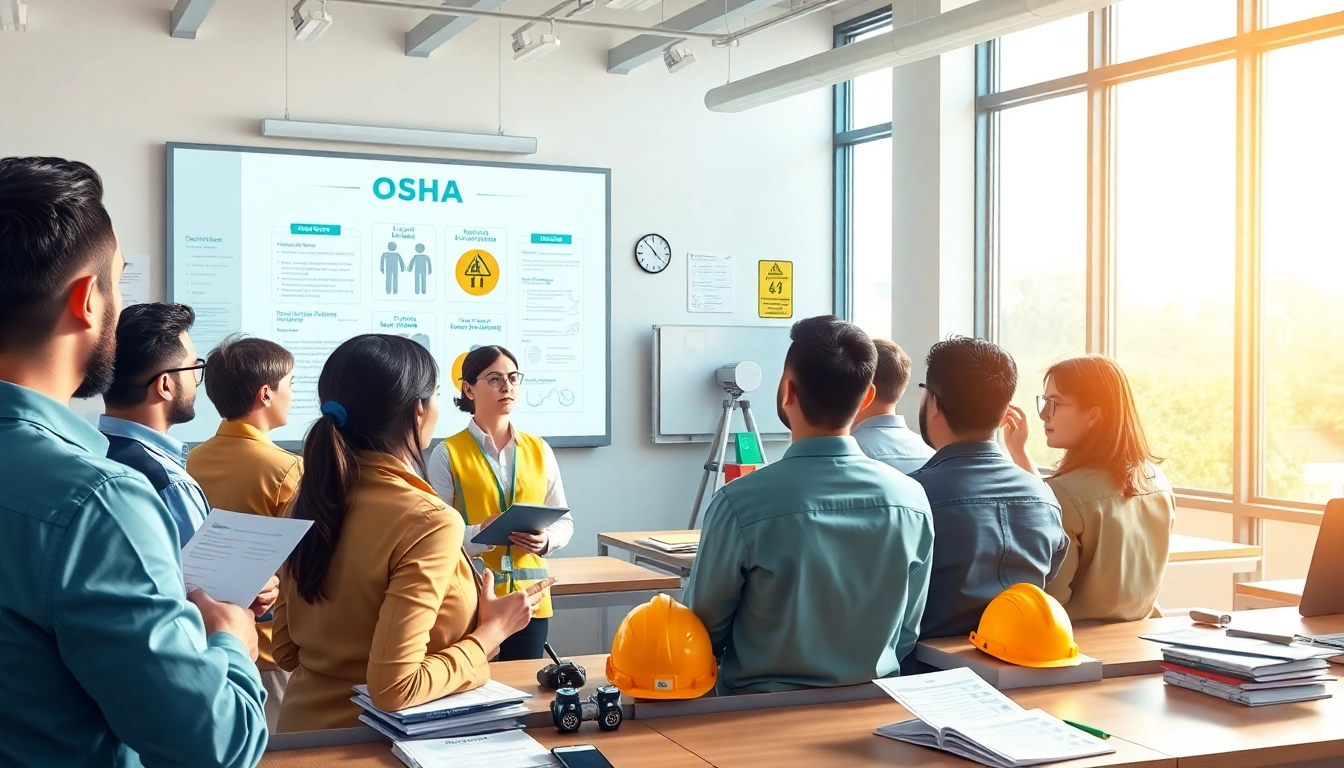
Education serves as a foundational pillar of society, effectively shaping the minds of individuals and contributing to the overall progress of humankind. Defined broadly, education encompasses the systematic transmission of knowledge, skills, and cultural values from one generation to the next. This process is not merely about classroom instruction; it involves the cultivation of critical thinking, emotional intelligence, and social skills necessary in today’s interconnected world. The Education system thus plays a crucial role in personal and collective development, fostering informed citizens capable of navigating life’s complexities.
Types of Education: Formal, Informal, and Non-Formal
Understanding the types of education is crucial in grasping its nuances:
- Formal Education: This typically occurs within the structured environment of schools and universities, where a set curriculum leads to recognized certifications. It is characterized by standardized assessments and specified learning outcomes.
- Informal Education: This encompasses learning that occurs outside of formal settings. It includes self-directed learning, experience-based skills, and social interactions that contribute to one’s knowledge base and personal development.
- Non-Formal Education: This type bridges the gap between formal and informal education, often delivered through organized programs that are educational in nature but do not follow a standardized curriculum, such as community education workshops or vocational training.
The Role of Educators in Facilitating Learning
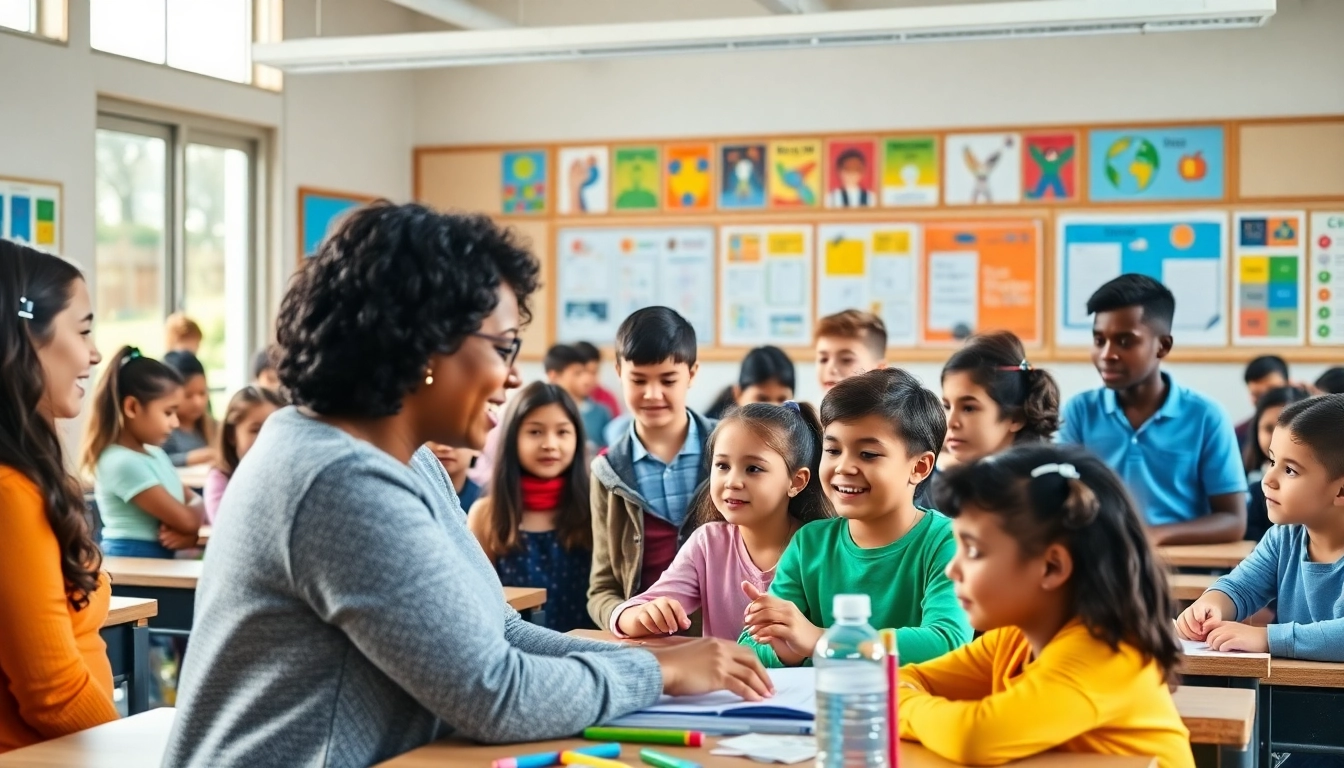
At the core of the educational system are the educators—teachers, mentors, and facilitators who guide and motivate learners. Their role transcends rote instruction; they are instrumental in creating engaging learning environments, assessing student performance, and adapting teaching strategies to meet diverse learning needs. Effective educators inspire curiosity and foster a growth mindset, enabling students to view challenges as opportunities for development. Professional training and ongoing professional development are essential for educators to stay abreast of contemporary pedagogical approaches and technological advancements in the field.
Key Education Trends Shaping Modern Classrooms
The Rise of Digital Learning Tools
In recent years, technology has transformed the educational landscape significantly. The rise of digital learning tools—such as online platforms, interactive applications, and virtual classrooms—has enabled unprecedented access to learning resources. These tools facilitate personalized learning experiences and accommodate varied learning styles, allowing students to learn at their own pace. Furthermore, advancements in technology have expanded accessibility for students in remote or underserved areas, bridging geographic gaps in educational opportunities.
Incorporating Experiential Learning into Curricula
Experiential learning emphasizes learning through experience, fostering deeper understanding and retention of knowledge. By integrating hands-on activities, such as projects, simulations, and fieldwork, educators encourage students to apply theoretical concepts in real-world contexts. This approach not only enhances engagement but also develops critical skills such as problem-solving, collaboration, and emotional resilience. Schools are increasingly adopting project-based learning frameworks, which empower students to tackle complex challenges collaboratively.
Fostering Inclusivity in Educational Settings
Inclusivity in education is more than a trend; it is a fundamental principle that ensures equitable access to learning for all students, regardless of their backgrounds or abilities. Educational institutions are required to implement policies and practices that acknowledge and celebrate diversity. This includes accommodating students with disabilities, integrating multicultural education, and promoting social and emotional support systems. Creating an inclusive atmosphere not only enhances learning outcomes but also fosters empathy and respect among students.
Challenges in the Education Sector Today
Addressing Learning Disparities
Despite advancements, learning disparities persist across various demographics, largely influenced by socio-economic factors. Students from lower-income families may face barriers such as lack of access to resources, inadequate learning environments, and limited extracurricular opportunities. To address these disparities, educational institutions must implement targeted interventions, such as tutoring programs, mentorship initiatives, and equitable funding policies that prioritize resource allocation for disadvantaged schools.
Overcoming Resistance to Educational Change
Change is often met with resistance, particularly in established educational systems. Barriers can come from educators who are hesitant to adopt new methodologies, parents concerned about shifts in curriculum, or institutional inertia that stifles innovation. Overcoming this resistance requires transparent communication, professional development opportunities, and building a culture of collaboration that encourages stakeholders to embrace new strategies as beneficial for student success.
The Impact of Socio-Economic Factors on Education Access
The interplay of socio-economic status with educational access poses a significant challenge. Students from affluent backgrounds often have access to a wealth of resources, including tutoring services, extracurricular programs, and advanced technology, while their less affluent peers may not enjoy the same advantages. Addressing these inequities necessitates a multi-faceted approach that includes advocacy for policy changes, community support initiatives, and partnerships with local organizations that can provide extra learning resources and opportunities.
Best Practices for Effective Education Delivery
Engaging Students through Interactive Learning
Engagement is central to effective education delivery. Utilizing interactive learning strategies—such as group discussions, collaborative projects, and technology-driven activities—can motivate students to participate actively in their learning journey. Techniques like gamification, where elements of game design are integrated into learning, can further enhance motivation and commitment, making complex subjects more approachable and enjoyable.
Utilizing Data to Enhance Educational Outcomes
Data-driven decision-making is crucial in education, allowing institutions to identify strengths and areas for improvement within their teaching methods and curriculums. By analyzing student performance data, educators can tailor their approaches to better meet individual learning needs, ultimately fostering improved educational outcomes. Implementing assessments that provide real-time feedback enables educators to adjust tactics effectively and ensure that no student is left behind.
Creating a Supportive Learning Environment
A supportive learning environment is vital for student success. This encompasses physical, emotional, and psychological support. Educators must cultivate a classroom atmosphere characterized by mutual respect, safety, and encouragement. By promoting social-emotional learning—an integral part of students’ education—educators can help students develop self-confidence, resilience, and interpersonal skills essential for their future endeavors.
Future Directions in Education Innovation
The Role of Artificial Intelligence in Personalized Learning
Artificial intelligence (AI) is poised to revolutionize education by offering personalized learning experiences tailored to individual student needs. Through adaptive learning software, AI can analyze student performance in real-time, identifying areas where a student might struggle and providing targeted resources and assessments. This customization facilitates deeper learning and helps teachers monitor progress efficiently, ultimately transforming how educational content is delivered.
Global Education Initiatives and Their Impact
Global education initiatives aim to provide quality education to all, regardless of socio-economic barriers. Programs developed by international organizations focus on building sustainable educational systems, promoting gender equality in access to education, and developing capacity-building resources for teachers worldwide. The implementation of these initiatives not only benefits individual learning outcomes but also contributes to national and global economic growth, fostering a more educated and capable populace.
Preparing Educators for a Rapidly Evolving Landscape
As the landscape of education continues to evolve rapidly, it is paramount that educators are equipped with the skills and knowledge to adapt. Professional development programs that focus on technological literacy, innovative teaching methods, and cultural competencies are crucial. Preparing educators to navigate this dynamic environment will ensure they can respond effectively to the challenges of modern education, thereby enhancing student engagement and success.