Understanding the Milton Colonial Addition Renovation
The Milton Colonial Addition Renovation stands as a prominent example of how history and modern functionality can be harmoniously blended in residential architecture. This renovation project not only enhances the physical structure but also elevates the living experience. To truly appreciate this undertaking, one must first understand the historical context and architectural features that define colonial-style homes.
History and Architectural Features
Colonial architecture is characterized by its symmetry and proportion, often featuring classic elements such as brick facades, gabled roofs, and double-hung windows. These homes were originally constructed during the colonial period of America, reflecting the cultural values of the time, which prioritized functionality alongside aesthetic appeal. An addition to a colonial home, therefore, should respect these established architectural traditions while embracing contemporary lifestyle needs.
Importance of Renovation
Renovating colonial homes is not merely about aesthetics; it’s about preserving heritage. Renovation breathes new life into these historic homes, allowing for modern conveniences without losing their original charm. Updating aspects such as insulation, plumbing, and electrical systems is crucial, as these improvements ensure the home continues to serve its inhabitants effectively while remaining compliant with current codes. Furthermore, renovation can significantly improve a property’s value, making it a sound investment for homeowners.
Common Design Elements
Throughout the process of adding to a colonial home, certain design elements should be prioritized. These include:
- Symmetrical Design: Maintaining a balanced look is essential in preserving the integrity of the home.
- Materials: Use of traditional materials like wood, brick, and stone that align with the original structure enhances continuity.
- Architectural Details: Incorporating features like crown molding, wainscoting, and built-in shelving adds character.
Planning Your Milton Colonial Addition Renovation
The planning phase is crucial in any renovation, particularly for complex projects like a colonial addition. With thorough planning, homeowners can align their vision with practical execution.
Key Considerations Before Starting
Before initiating any renovation, several important factors must be evaluated:
- Local Regulations: Understand zoning laws and building codes applicable to renovations.
- Historical Integrity: Consult guidelines to maintain the property’s historical authenticity.
- Functional Needs: Identify specific needs, such as additional bedrooms, office spaces, or recreational areas.
Budgeting for Your Renovation
Budgeting is a vital step in the renovation process. Homeowners should consider not only the initial costs of materials and labor but also potential unforeseen expenses. A comprehensive budget should include:
- Design Costs: Fees for architects, designers, or consultants might be part of your initial outlay.
- Permitting Fees: Ensure to account for costs associated with necessary permits.
- Contingency Fund: Set aside a percentage of your budget for unexpected repairs or changes in design.
Choosing the Right Materials
Selecting suitable materials is pivotal for maintaining the aesthetic integrity and durability of any colonial addition. Recommendations include:
- Timber: Authentic wood framing and cladding can enhance the traditional feel of the home.
- Brick: Consider using reclaimed bricks for a rustic, historical touch.
- Eco-friendly Options: Explore sustainable materials as part of modern renovations.
Designing Functional Spaces in the Addition
As designs evolve, creating functional spaces that cater to a modern lifestyle becomes imperative. Considerations should entail the overall flow and usability of the newly created areas.
Open Layout vs. Defined Areas
Deciding between an open layout and defined areas depends heavily on the homeowner’s lifestyle. Open layouts are favored for their airy feel and enhanced social interaction, although defined areas can provide a greater sense of privacy within the home.
Incorporating Natural Light
Integrating adequate natural light into the design not only contributes to energy savings but also fosters a healthier living space. Strategies can include:
- Large Windows: Strategically placed windows and doors can transform the ambience of a room.
- Skylights: Overhead lights can greatly enhance spaces with limited wall space for windows.
- Openings: Incorporating transoms and glass doors connect indoor spaces to outdoor light easily.
Connecting Interior and Exterior Spaces
Creating a seamless transition between indoor and outdoor living spaces can elevate the functionality of the addition. Consider features like:
- Patiod Doors: Those can create an inviting threshold between a dining area and a patio.
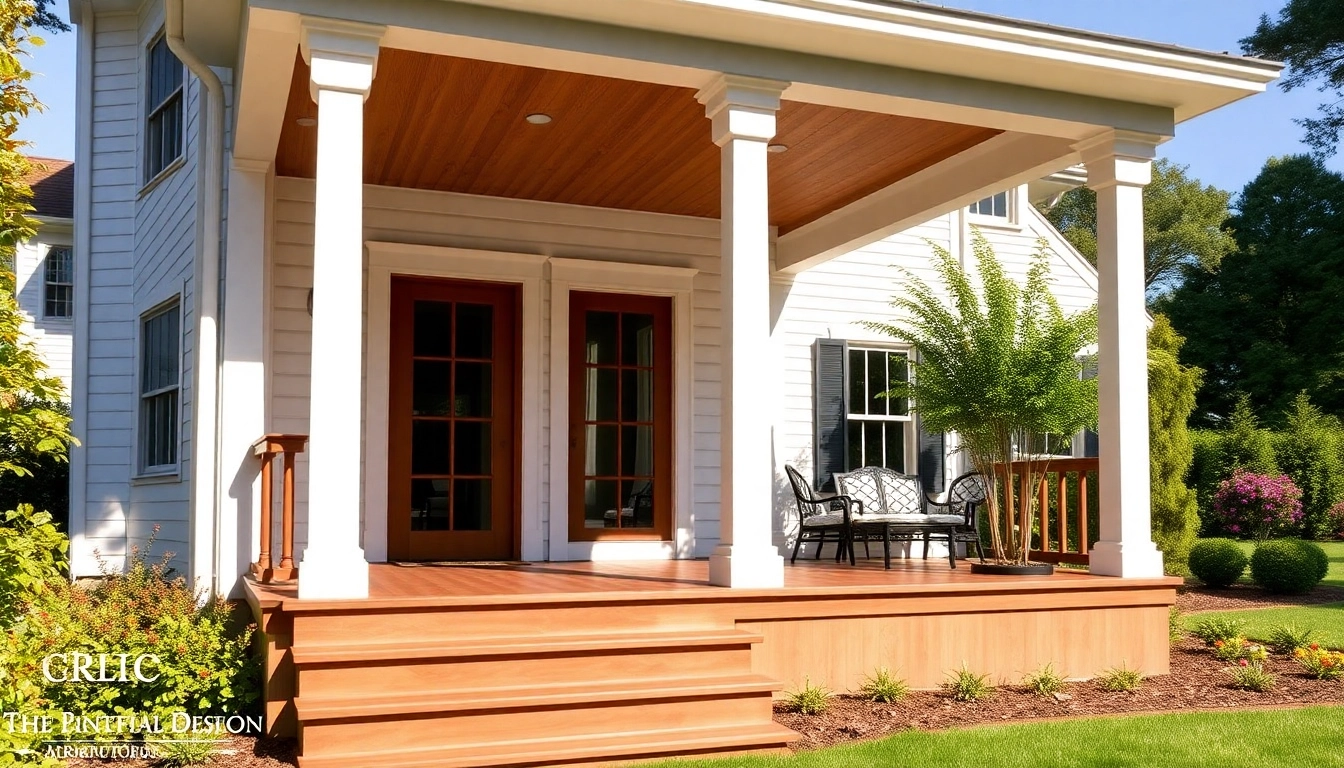
- Decks and Porches: Expanding outdoor living areas enhances overall home enjoyment.
- Landscaping: Thoughtfully designed gardens and pathways can further connect and beautify spaces.
Common Challenges in Milton Colonial Addition Renovation
Every renovation comes with challenges, particularly when dealing with older homes that have restrictions due to their historical status. Identifying common obstacles and preparing for them can minimize setbacks.
Dealing with Permitting Issues
Understanding local regulations and permit requirements is crucial. Homeowners should:
- Research Local Laws: Thoroughly examine any historical preservation ordinances.
- Engage Professionals: Consider hiring experts who are familiar with local zoning and building requirements.
- Document Everything: Maintain thorough records of communications and permissions to streamline the process.
Managing Timelines Effectively
Setting and adhering to timelines is essential in renovation projects, yet unpredictable factors can delay progress. Strategies to enhance timeline management include:
- Set Realistic Deadlines: Incorporate buffer time into your schedule for potential delays.
- Regular Check-ins: Frequent meetings with contractors can ensure that the project stays on track.
- Preparation: Ensure that you have all necessary materials ordered and ready to avoid waiting times.
Overcoming Budget Constraints
Financial limitations can pose significant hindrances during a renovation. To address budget constraints, homeowners should:
- Prioritize Needs vs. Wants: Distinguishing essential features from non-essential additions will clarify spending.
- Staged Renovations: Consider completing the project in phases to manage costs more effectively.
- Seek Alternate Funding: Look for loans or grants specifically designed for home improvements.
Maintenance and Longevity of Your Renovation
Once the renovation is complete, ongoing maintenance is necessary to preserve the beauty and functionality of the added space. Homeowners should adopt a proactive approach to care for their investment.
Regular Care for Colonial Styles
Colonial homes often require specific types of upkeep to maintain their characteristic elegance. Key maintenance tasks may include:
- Periodic Inspections: Schedule routine checks on roofing, siding, and windows.
- Preserving Wood: Regularly treat and seal wood to protect against weathering.
- Cleaning: Ensure gutters and drainage systems are consistently cleared to prevent moisture damage.
Timely Upgrades and Repairs
Monitoring the home’s performance regularly allows for timely repairs and necessary upgrades. Consider:
- Modern Systems: Stay updated on energy-efficient technologies for HVAC and insulation.
- Historical Compatibility: Uphold the aesthetic originality when making improvements.
- Replacement Planning: Strategically plan for future replacements of older elements.
Enhancing Curb Appeal
The exterior of the home plays an integral role in its overall appeal and can significantly influence property value. To enhance curb appeal, homeowners can focus on:
- Landscaping: Establish a well-maintained yard with diverse plants.
- Exterior Painting: Choose color schemes that complement colonial architecture.
- Upgrading Fixtures: Modernize door handles, light fixtures, and mailboxes to create a cohesive look.
FAQs About Milton Colonial Addition Renovation
What is a Milton Colonial Addition renovation?
A Milton Colonial Addition renovation involves expanding or enhancing a colonial-style home while respecting its historical features and architectural integrity.
How can I maintain the historical features of my home during renovation?
To maintain historical features, work with professionals who specialize in colonial architecture and prioritize the use of traditional materials and methods.
What are some common challenges during a renovation?
Common challenges include securing permits, managing timelines and budgets, and ensuring the project adheres to historical preservation guidelines.
How can I budget effectively for my renovation?
Start with a detailed plan, include all costs (labor, materials), and set aside a contingency percentage for unforeseen expenses.
Why is natural light important in my renovation?
Natural light enhances the livability of a space, improves energy efficiency, and contributes positively to overall well-being and mood.