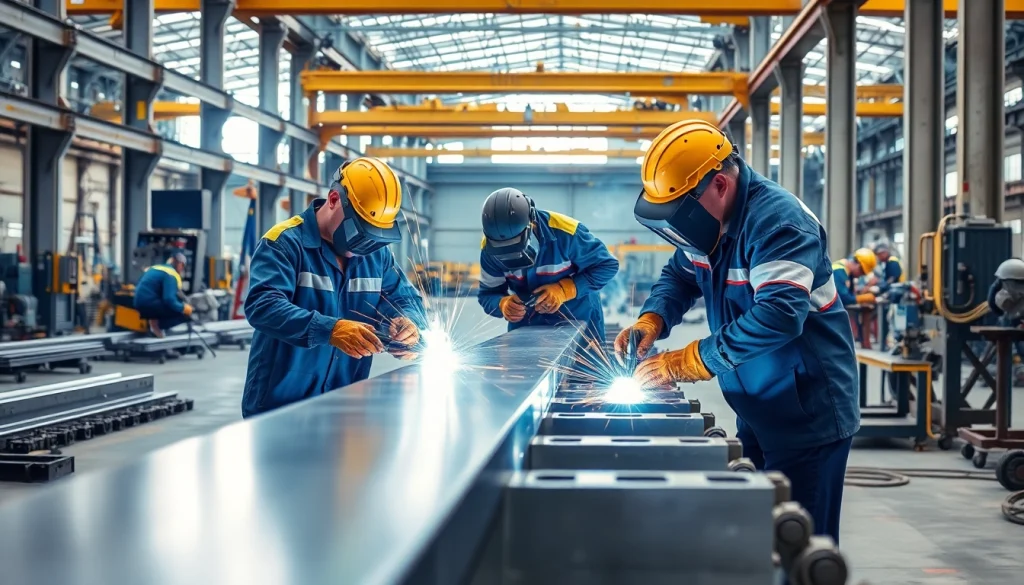
Understanding Structural Steel Welding
Structural steel welding is a critical process in modern construction and manufacturing that binds steel components together to form a wide variety of structures, ranging from buildings and bridges to machinery and industrial equipment. This process entails several methods and techniques that vary by application, making a comprehensive understanding essential for engineers, welders, and project managers alike. By grasping the fundamentals of structural steel welding, professionals can enhance design integrity, improve safety outcomes, and streamline construction processes.
What is Structural Steel Welding?
Structural steel welding refers to the technique of joining steel structures through the application of heat and/or pressure. This process can achieve a strong bond between various steel components, which is paramount in ensuring that the final structure withstands various forces, including tensile, compressive, and shear stresses. Welding is a desirable method of assembly in the construction sector due to its ability to provide high-quality joints and structural integrity.
Types of Welding Techniques for Steel
Several welding techniques are applicable in structural steel welding, including:
- Shielded Metal Arc Welding (SMAW): Also known as stick welding, SMAW uses an electrode coated in flux to create the weld. This technique is versatile and widely used in construction and maintenance.
- Gas Metal Arc Welding (GMAW): Commonly referred to as MIG welding, GMAW employs a continuous wire fed through a welding gun and produces a weld pool protected by an inert gas shield. This method is known for its speed and efficiency.
- Gas Tungsten Arc Welding (GTAW): Known as TIG welding, GTAW utilizes a non-consumable tungsten electrode to produce the weld. It is suitable for thinner materials and provides a high level of control over the weld quality.
- Flux-Cored Arc Welding (FCAW): This method is similar to GMAW but employs a tubular wire filled with flux. FCAW can be used with or without a shielding gas, making it adaptable for outdoor welding.
- Submerged Arc Welding (SAW): SAW is primarily used for welding thick materials and involves covering the weld with a thick layer of granular flux, which helps produce high-quality welds.
The Importance of Quality Standards
Adhering to quality standards in structural steel welding is paramount to ensure safety and performance. Various organizations, such as the American Welding Society (AWS) and the American Society of Mechanical Engineers (ASME), establish codes and standards that guide welding practices. Compliance with these standards not only enhances the strength and durability of the welds but also helps in minimizing defects and ensuring that the structures meet regulatory requirements. Regular inspections and certifications can also foster the skills of welders in maintaining high-quality outputs.
Tools and Equipment for Structural Steel Welding
The success of structural steel welding relies heavily on the proper selection and use of tools and equipment. The right tools not only improve efficiency but also dictate the quality of the weld produced. An extensive understanding of essential tools facilitates better execution of welding tasks.
Essential Welding Tools and Their Uses
Here are some essential tools for structural steel welding:
- Welding Machine: Depending on the chosen technique, the welding machine provides power to facilitate various welding processes, whether SMAW, GMAW, or TIG welding.
- Electrodes and Filler Metals: Different types of electrodes and filler materials are used depending on the welding technique and steel composition.
- Protective Gear: Helmets, jackets, gloves, and boots protect welders from high temperatures, sparks, and harmful UV radiation emitted during the welding process.
- Chipping Hammer: This tool is used to remove slag and impurities from welds, ensuring better quality and aesthetics.
- Angle Grinder: Angle grinders are essential for preparing surfaces prior to welding and for finishing welds post-job.
- Measuring Tools: Tools such as calipers and tape measures are crucial in ensuring accurate measurements for assembling steel components.
Safety Equipment for Welders
Safety should always be a top priority in structural steel welding. Key safety equipment includes:
- Welding Helmet: Equipped with a darkened shield to protect the eyes during welding.
- Welding Gloves: Heat-resistant gloves designed to protect the hands from fire and sharp edges.
- Fire-Resistant Clothing: Clothing that prevents burns and provides additional protection from sparks.
- Respirator: Provides breathing protection against fumes and particles resulting from the welding process.
- First Aid Kit: Readily available kits for addressing injuries that might occur during welding tasks.
Maintenance of Welding Equipment
Regular maintenance of welding equipment is crucial to ensure efficiency and prolong the life of tools. Maintenance practices include:
- Regular Inspection: Check equipment components such as cables, gas hoses, and filters for wear and damage.
- Cleaning Machines: After each use, clean welding machines to remove dust and debris that could affect performance.
- Proper Storage: Store equipment in dry environments and avoid exposure to extreme conditions that could lead to corrosion.
- Calibration: Regularly calibrate machines to ensure they are operating within the required parameters.
Common Challenges in Structural Steel Welding
While structural steel welding is crucial to many industries, it is not without its challenges. Recognizing and addressing these challenges are integral to maintaining efficiency, quality, and safety in welding operations.
Identifying and Overcoming Welding Defects
Welding defects can severely compromise the integrity of steel structures. Common defects include:
- Porosity: The presence of gas pockets in the weld, which can weaken the joint. To avoid porosity, ensure proper shielding gas coverage and clean surface preparation.
- Cracks: These can arise from thermal stress or improper metal composition. To manage cracking, pre-heat the materials and control cooling rates post-welding.
- Incomplete Fusion: When weld beads do not properly fuse with the base metal, it creates weak joints. Applying adequate heat and maintaining correct angles during welding can prevent this issue.
Managing Heat Input and Distortion
High heat input during the welding process can lead to distortion and residual stress in steel components. Techniques to control heat input include:
- Using the Right Welding Parameters: Adjust current, voltage, and speed to find the optimal settings for specific materials.
- Pre-heating the Material: This technique reduces temperature gradients and helps prevent warping.
- Post-Weld Heat Treatment: Utilizing controlled heating and cooling processes post-welding can relieve residual stresses and reduce distortion.
Dealing with Environmental Factors
Environmental conditions play a significant role in the success of structural steel welding. Factors such as wind, humidity, and temperature can affect weld quality. Strategies to combat environmental influences include:
- Constructing Windbreaks: Using protective enclosures can shield the welding area from strong winds.
- Controlling Humidity Levels: Select suitable welding techniques in humid or wet conditions, as moisture can interfere with weld quality.
- Adjusting for Temperature: Be aware of the ambient temperature and adjust pre-heating methods or filler materials accordingly.
Applications of Structural Steel Welding
Structural steel welding is employed across various sectors, demonstrating its versatility and importance. Understanding the breadth of applications helps appreciate its role in modern infrastructure.
Welding in Construction Projects
In construction, structural steel welding is used to join steel beams, columns, and girders, forming the skeletons of large structures such as skyscrapers and commercial complexes. The ability to create robust frameworks through welding allows for innovative architectural designs and faster construction timelines. Additionally, the integration of advanced welding technologies has led to improvements in the efficiency and safety of structural framing.
Utilizing Structural Steel in Heavy Industry
Heavy industries, including manufacturing, automotive, and aerospace, rely on structural steel welding for the production of machinery and infrastructure. The strength and flexibility of welded steel components make them ideal for heavy-load applications, such as cranes, conveyor systems, and machinery equipment. Moreover, structural steel welding is essential in creating storage tanks, bridges, and other structures that require exceptional load-bearing capacities.
Innovations in Structural Steel Welding Applications
Recent advancements in technology have led to new welding applications, enhancing productivity and safety. Examples include:
- Robotic Welding: Automated systems streamline the welding process, ensuring consistent quality and freeing up skilled workers for more complex tasks.
- Additive Manufacturing: This innovative approach combines welding techniques with 3D printing technologies, facilitating the rapid production of complex components.
- Smart Welding: The integration of IoT technologies into welding equipment allows for real-time monitoring and data analysis, leading to improved efficiencies.
Best Practices for Effective Structural Steel Welding
To achieve optimal results in structural steel welding, adherence to best practices is crucial. These practices enhance the quality of welds and ensure project efficiency.
Preparing for a Welding Job
Preparation is key to successful welding. Steps include:
- Surface Preparation: Clean the areas to be welded, removing any contaminants such as oil, rust, or paint that could negatively affect the weld.
- Joint Design: Proper joint design maximizes the strength of the weld and minimizes potential defects. Consistently assess the configuration and alignment of components before welding.
- Pre-Job Safety Review: Conduct a safety meeting to review policies, equipment checks, and potential hazards associated with the specific job.
Techniques for Achieving Strong Welds
Achieving strength in welds requires focusing on several techniques, such as:
- Maintaining Proper Arc Length: A consistent arc length ensures effective heat transfer and minimizes the risk of defects.
- Controlling Travel Speed: Adjusting the travel speed based on the materials and welding technique used helps achieve an even penetration of weld material.
- Preheating Steel: In certain circumstances, preheating can improve the quality of the weld and reduce the risk of cracking, especially in high-strength steels.
Evaluating Weld Quality and Performance
Regular evaluation of weld quality is essential for ensuring structural integrity over time. Common methods for assessing weld quality include:
- Visual Inspection: This non-destructive method allows inspectors to identify surface defects or irregularities.
- Ultrasonic Testing: This technique uses sound waves to detect internal imperfections and assess weld integrity.
- X-Ray Inspection: X-ray techniques allow for a thorough analysis of the weld, revealing internal faults that may not be visible externally.