Understanding Fly Fishing Boots
What are Fly Fishing Boots?
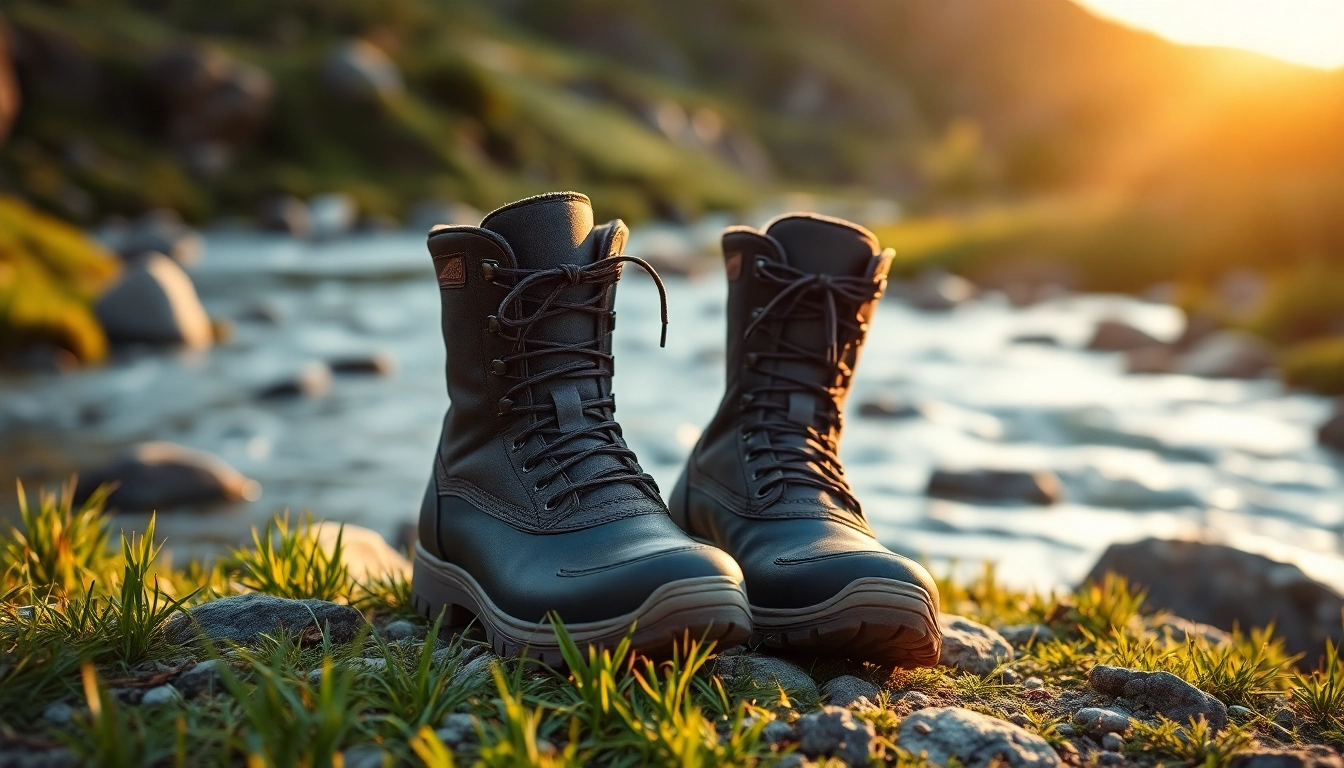
Fly fishing boots are specialized footwear designed to provide comfort, support, and traction for anglers who traverse wet and uneven terrain while fishing. Unlike regular hiking or casual boots, fly fishing boots are built for durability and performance in aquatic environments. They are typically equipped with features such as waterproof materials, adequate ankle support, and a sole designed for optimal grip on slippery surfaces. These boots serve a crucial function, ensuring that anglers can navigate their fishing spots safely and effectively. Whether you’re wading in a river, heading to a remote lake, or navigating rocky shores, having the right pair of fly fishing boots can make a significant difference in your overall experience.
The Importance of Quality in Fly Fishing Boots
Quality is paramount when it comes to fly fishing boots. The conditions faced by anglers are often harsh, ranging from cold water temperatures to rocky riverbeds. Poor-quality boots may lead to discomfort, lack of support, and even injuries, which can ruin a day on the water. High-quality boots are made from durable materials that can withstand abrasions and exposure to water without degrading over time. They also feature construction techniques that enhance longevity, such as reinforced seams and waterproof linings. Investing in quality fly fishing boots not only enhances performance but also ensures that your gear lasts through multiple fishing seasons.
Types of Fly Fishing Boots Available
When choosing fly fishing boots, you will encounter a variety of options tailored to different fishing environments and personal preferences. The main types include:
- Wading Boots: These are designed specifically for wading in rivers or lakes. They often have features to accommodate felt or rubber soles for traction in slippery conditions.
- Rubber-Soled Boots: Ideal for use on slick surfaces, these boots often have aggressive treading to help prevent slips and falls.
- Insulated Boots: Perfect for colder climates, these boots provide additional warmth and are usually made of thicker materials.
- Hybrid Boots: Combining features of both wading and hiking boots, hybrid designs offer versatility for anglers who transition between different terrains.
Key Features to Look for in Fly Fishing Boots
Material and Durability
The materials used in fly fishing boots significantly impact their performance and lifespan. Look for boots made from synthetic materials like nylon or polyester, which are both lightweight and durable. Additionally, rubber and neoprene are common for waterproofing. Durable boots will resist cuts and scratches from sharp rocks and debris commonly found in water bodies. Ensure that the materials are also breathable if you plan on using the boots in warmer temperatures, as this will help regulate your foot temperature and prevent overheating.
Comfort and Fit Considerations
Comfort is another critical aspect when selecting your fly fishing boots. Your boots should fit snugly without being too tight, allowing for adequate circulation and preventing blisters. Consider trying on boots with the socks you intend to wear while fishing, as different thicknesses can affect the fit. Ankle support is also vital; boots with reinforced, padded collars will protect your ankles from twisting and provide stability on uneven ground. Many boots offer features like adjustable straps and cushioned insoles to enhance comfort further.
Traction and Sole Options
The soles of fly fishing boots are designed for varying conditions, and choosing the right sole type is essential for safety on slippery surfaces. Common options include:
- Felt Soles: Excellent for gripping slick surfaces like moss-covered rocks, felt soles provide superior traction. However, they can retain water and are being phased out in some areas due to invasive species concerns.
- Rubber Soles: Increasingly popular, rubber soles offer good traction and are less likely to retain water or carry invasive species. Many rubber soles are designed with aggressive patterns to enhance grip.
- Studded Soles: Some boots come equipped with studs or cleats that can further enhance traction, making them suitable for rocky or muddy terrains.
Best Practices for Fly Fishing Boot Care
Cleaning Your Fly Fishing Boots
Caring for your fly fishing boots ensures their longevity and performance. After each use, it's crucial to clean them to remove dirt, sand, and any contaminants that may have accumulated. Use a soft brush or cloth to scrub away dirt, and rinse the soles with clean water. For deeper cleaning, consider using a mild soap solution.
Storing Your Boots Properly
Proper storage is just as important as cleaning. Avoid storing your boots in damp or wet conditions, as this can lead to mold growth and unpleasant odors. Allow your boots to dry completely before storing them; consider removing any insoles to air them out as well. Keep them in a cool, dry place away from direct sunlight, which can degrade the materials over time.
Repairing Common Damage
Even with the best care, fly fishing boots can sustain damage. Common issues include punctures, torn seams, and worn-out soles. Address these problems promptly to extend the life of your boots. Punctures can often be repaired with waterproof adhesive patches, while seam tape can fix torn seams. For worn-out soles, check if your boots have replaceable soles; if so, replace them to restore traction without needing to purchase a new pair.
Top Brands for Fly Fishing Boots
Comparing Features of Leading Brands
Many brands specialize in quality fly fishing boots, each offering unique features tailored to different needs. Some noteworthy brands include:
- Simms: Known for high-quality materials and innovative designs, Simms boots are often a go-to for serious anglers. They offer options ranging from lightweight boots to insulated models.
- Orvis: This brand focuses on comfort and support, with a range of fly fishing boots equipped with features like cushioned insoles and padded collars.
- Redington: Known for affordable yet durable boots, Redington products appeal to both beginner and experienced anglers looking for value.
- Korkers: This brand offers innovative sole systems that allow users to switch between different sole types, enhancing versatility in various fishing conditions.
Consumer Reviews and Recommendations
Purchasing fly fishing boots can be daunting given the multitude of options available. Reading consumer reviews can offer invaluable insights regarding comfort, durability, and performance in real-world scenarios. Many users echo the importance of fit and traction, emphasizing that boots should feel secure yet comfortable throughout a day of fishing. Recommendations from seasoned anglers often highlight preferred brands and the specific models that have proven reliable over the years.
Price Ranges and Value Considerations
Fly fishing boots can range from budget-friendly options ($100-$200) to high-end models ($300 and above). While a higher price tag often corresponds to better materials and technology, it’s essential to consider what features align best with your fishing style. Investment in quality boots pays off in comfort and durability, often making them a more economical choice over time as you avoid frequent replacements.
Advanced Tips for Fly Fishing Boot Selection
Matching Boots to Your Fishing Style
Your fishing style significantly influences the type of fly fishing boots you should select. For trout fishing in rivers, lightweight wading boots with excellent traction suit the needs of anglers who frequently change locations. Conversely, if you’re engaging in longer hikes to remote fishing spots, consider boots that offer superior support and cushioning. Matching boot features with your fishing approach enhances not only comfort but also performance during your fishing expeditions.
Seasonal Considerations for Boot Quality
Different seasons require varying features in fly fishing boots. In colder months, insulated soles and watertight features become essential for warmth and comfort, while spring and summer may demand breathable materials to prevent overheating. Seasonal transitions often call for a versatile pair of boots that can adapt to changing weather, ensuring that you remain comfortable regardless of conditions.
Understanding Fit Differences for Various Activities
Footwear needs can vary not just for the type of fishing but also according to the activity level involved. If you're primarily wading, ensure boots provide enough ankle support and cushioning for extended periods. If your fishing involves a lot of walking or hiking, look for boots that offer a more athletic fit and potentially lighter materials. Remember that some brands may have different sizing or fit characteristics, so trying on several pairs might be necessary to find your perfect match.