Understanding Leak Detection Basics
What is Leak Detection?
Leak detection is a specialized process aimed at identifying and locating leaks within various systems, such as plumbing, roofs, and underground infrastructure. The importance of leak detection cannot be overstated, especially given the potential consequences of undetected leaks, including structural damage, increased utility bills, and health hazards like mold growth. Effective leak detection employs a variety of techniques and technologies to pinpoint leaks quickly and accurately, ensuring minimal disruption and damage to properties.
Importance of Leak Detection in Homes
Households often overlook the possibility of leaks until they manifest into significant issues. Early intervention through effective leak detection can save homeowners from extensive repair costs and lengthy remediation efforts. Water leaks, in particular, can lead to significant property damage if not addressed promptly, potentially compromising the structural integrity of a home. Moreover, leaks can contribute to higher water bills, signifying financial waste in addition to physical damage. By utilizing advanced detection methods, homeowners can secure their investments and maintain safety and comfort.
Common Types of Leaks
Leaks can occur in a variety of contexts, including:
- Plumbing Leaks: These are the most common leaks found in household plumbing systems, often resulting from faulty fixtures, corroded pipes, or improper installation.
- Roof Leaks: Damage to roofing materials or flashing can lead to water intrusion, which may go unnoticed until significant damage has occurred.
- Foundation Leaks: Water can seep into basements and crawl spaces through cracks in foundation walls, potentially leading to flooding and structural damage.
- HVAC System Leaks: Air conditioning systems can develop leaks in refrigerant lines or ducts, leading to efficacy losses and moisture problems.
Advanced Leak Detection Techniques
Non-Invasive Methods Explained
Non-invasive leak detection techniques offer significant advantages over traditional methods, minimizing property damage during the inspection process. These methods utilize advanced technologies that allow technicians to detect leaks without the need for intrusive measures like cutting drywall or digging up floors.
Common non-invasive techniques include:
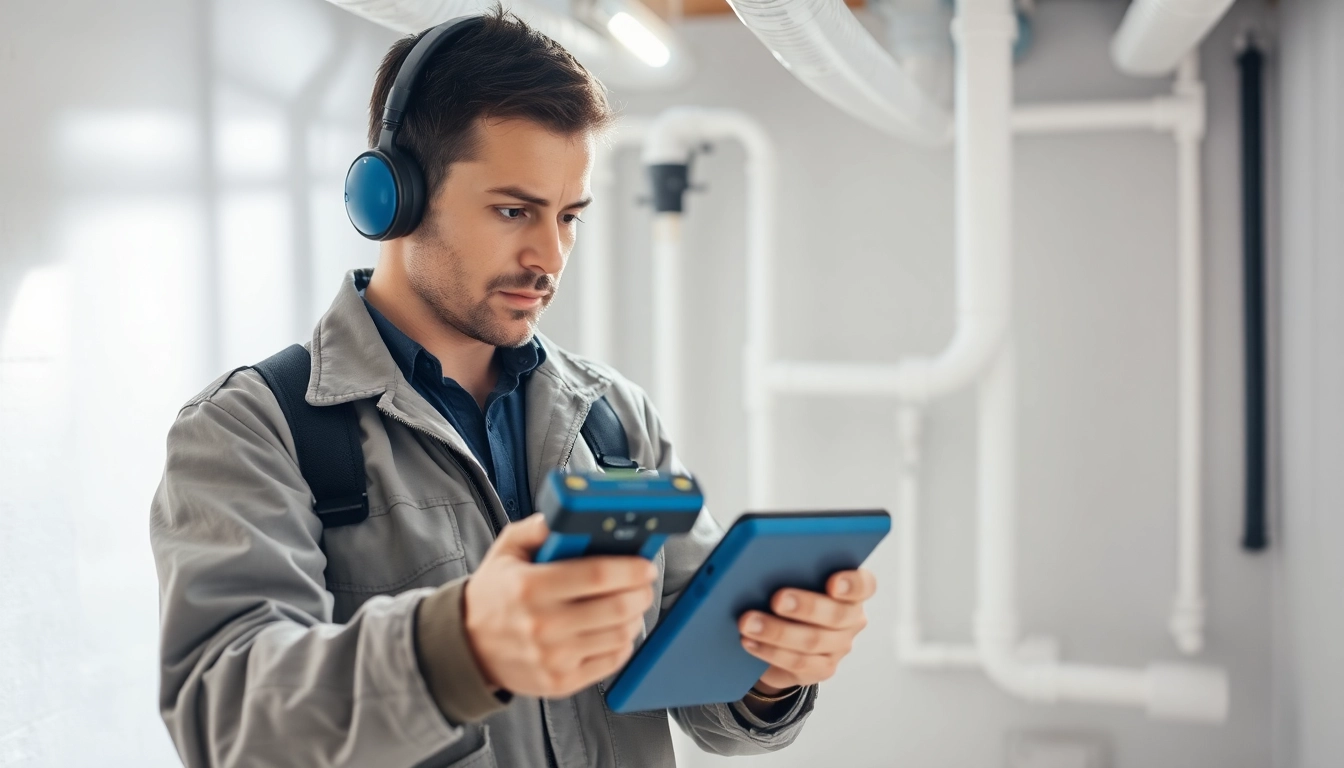
- Acoustic Leak Detection: This method uses specialized microphones to listen for the sounds of water escaping from pipes, invaluable for detecting leaks in walls and underfloor installations.
- Infrared Thermography: Infrared cameras detect temperature variations that help identify leaks by revealing moisture accumulation in building materials.
- Tracer Gas Detection: This method involves injecting a safe, detectable gas into the system. By monitoring the gas’s escape points, technicians can locate leaks effectively and efficiently.
Using Technology for Effective Detection
The integration of technology in leak detection has transformed the landscape of plumbing and maintenance services. Modern advancements include:
- Digital Leak Correlators: These devices assess the time it takes for sounds from leak locations to reach multiple sensors, triangulating the precise location of a leak.
- Moisture Meters: They help measure the moisture content in building materials to identify potential leaks without any prior visible signs.
- Smart Leak Detectors: These devices offer real-time monitoring and notifications to homeowners via smartphone applications, allowing for immediate response to leaks.
Comparing Manual vs. Automated Leak Detection
The choice between manual and automated methods can greatly impact the efficiency of leak detection efforts. Manual methods rely on the expertise of professionals who must use traditional tools and methods to detect leaks, while automated systems employ advanced technology, providing faster and often more accurate results.
While manual detection may still be relevant in certain scenarios, automated systems prove beneficial in high-tech infrastructures and environments where leaks can cause immediate risk to health and safety.
Cost Factors in Leak Detection Services
How Pricing is Determined
Determining the cost of leak detection services involves several factors, including:
- Type of Service: Whether the service is provided through manual inspection or advanced technology affects pricing. Non-invasive techniques typically incur higher costs due to the specialized equipment used.
- Location: The geographic location can play a role in pricing, as labor costs and market demand vary by region.
- Severity of the Leak: More complex or severe leaks that require extensive work to resolve will increase overall costs.
Average Costs You Should Expect
Cost estimates for leak detection services typically range from $175 to $350, depending on various factors mentioned above. However, it's essential to recognize that pricing can fluctuate widely based on the time spent on the job and the specific equipment utilized. In some instances, costs may fall as low as $75 or climb to over $3,000 for especially complicated scenarios.
Ways to Save on Leak Detection Services
Homeowners can adopt several strategies to mitigate costs associated with leak detection:
- Regular Maintenance: Scheduling regular inspections can prevent small issues from escalating into larger problems, saving money in the long run.
- Comparison Shopping: Acquiring quotes from multiple service providers allows homeowners to find competitive pricing and services best suited for their needs.
- Utilizing Technology: Investing in smart leak detection systems not only provides peace of mind but may also result in savings on potential repairs through early detection.
DIY Leak Detection Tips
Identifying Signs of Water Leaks
Homeowners should remain vigilant for signs of water leaks. Key indicators include:
- Unexplained increases in water bills
- Water stains on walls, ceilings, or floors
- Mold growth in moisture-prone areas
- Unusual sounds of running water even when all faucets and fixtures are off
Tools for Home Leak Detection
Several tools can assist homeowners in identifying leaks before they become serious, including:
- Moisture Meters: A useful tool for quantifying moisture in various surfaces.
- Plumber’s Tape: This can help secure loose pipes or fixtures temporarily until a professional can make permanent repairs.
- Infrared Thermometers: These handheld devices can help identify temperature anomalies on walls, pointing to potential leaks hidden from view.
When to Call a Professional
While many homeowners can perform DIY inspections, certain situations warrant the assistance of professionals, such as:
- Inability to locate the source of a leak
- Leaks in hard-to-access locations, like behind walls or underground
- If the leak is causing severe water damage or structural issues
Maintaining Leak-Free Systems
Preventative Measures for Homeowners
Taking preventive steps can significantly impact maintaining a leak-free home:
- Regular Inspections: Scheduled assessments of plumbing and roofing systems can catch small issues before they develop into larger problems.
- Weatherproofing: Ensuring roofs and windows are properly sealed prevents intrusion from the elements, reducing the risk of water damage.
- Routine System Flushes: Flushing systems regularly can help prevent blockages and wear that may lead to leaks.
Regular Maintenance and Inspections
Routine maintenance is essential for avoiding potential leaks and maintaining the integrity of plumbing systems. Homeowners should consider:
- Engaging a professional for seasonal inspections of plumbing and roofing systems.
- Being proactive about pipe insulation to protect against freezing in colder months.
Best Practices for Water System Management
Effective management of water systems ensures they remain leak-free. Key practices involve:
- Investing in modern, efficient plumbing fixtures that are less prone to leaks.
- Adopting smart technologies for monitoring water usage and detecting leaks immediately.
- Educating family members about proper water system management and encouraging reporting of potential issues promptly.