Understanding Decorative Wood Panels
What are Decorative Wood Panels?
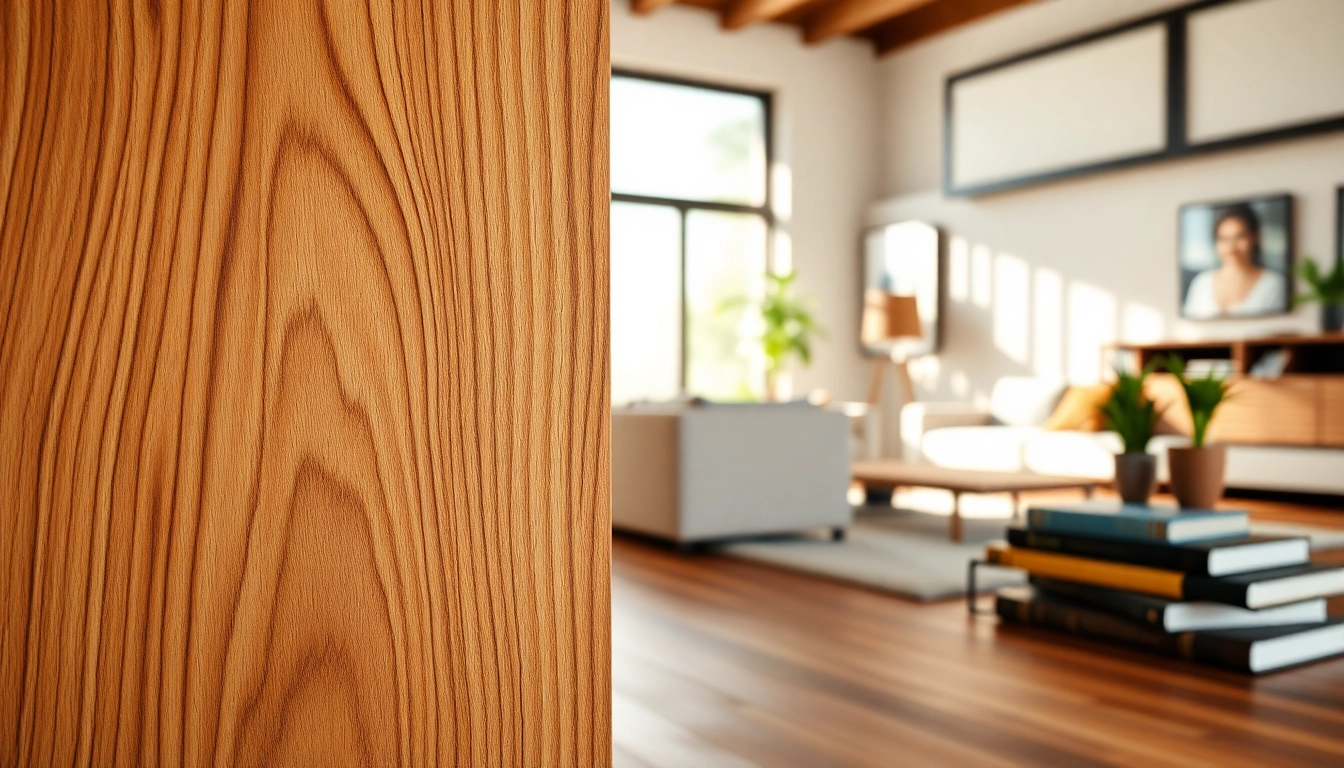
Decorative wood panels are versatile elements used in interior design to enhance aesthetics and functionality. Crafted from various types of wood, these panels serve as wall coverings, accents, or even standalone pieces that fulfill both decorative and practical purposes. By incorporating decorative wood panels, homeowners and designers can create a warm, inviting atmosphere that showcases natural beauty and craftsmanship.
Types of Decorative Wood Panels
Decorative wood panels come in several styles and formats, each offering unique characteristics and advantages. Here are some of the most common types:
- Solid Wood Panels: Made from a single piece of wood, these panels are durable and display the natural grain of the wood.
- Plywood Panels: Constructed from layers of wood veneer, these panels are light yet robust, making them ideal for large projects.
- Engineered Wood Panels: These panels are manufactured using adhesives and wood fibers, providing a stable and cost-effective option.
- Composite Panels: Made from a blend of wood fibers and polymers, composite panels are resistant to moisture and are often used in high-humidity areas.
- 3D Panels: Featuring intricate designs that add depth and dimension, 3D panels can create stunning visual effects in any space.
Benefits of Using Decorative Wood Panels
The use of decorative wood panels comes with a multitude of benefits:
- Aesthetic Appeal: They enhance the visual appeal of a room, providing a rustic or contemporary look depending on the chosen style.
- Acoustic Properties: Wood panels can help reduce noise levels, contributing to a more serene environment.
- Insulation: Wood naturally insulates spaces, keeping rooms warmer in winter and cooler in summer.
- Easy Maintenance: Most decorative wood panels require minimal upkeep and can be easily cleaned with damp cloths.
- Sustainability: When sourced responsibly, wood panels can be an eco-friendly option, reducing reliance on synthetic materials.
Choosing the Right Decorative Wood Panels
Factors to Consider When Selecting Panels
Choosing the right decorative wood panels for your space involves several considerations. Here are key factors to keep in mind:
- Purpose: Understand the primary function of the panels, whether for strictly decorative purposes, acoustic treatment, or insulation.
- Space Size: Larger panels may suit spacious rooms, while smaller spaces may benefit from intricate designs or light colors to avoid feeling cramped.
- Wood Type: Select a wood type that complements other materials in the space and fits within your environmental considerations.
- Finish: The finish impacts both the look and longevity. Consider matte, glossy, or textured finishes based on desired aesthetics.
- Durability: Assess the wear resistance of the panels, especially in high-traffic areas.
Popular Styles and Finishes
The style and finish of decorative wood panels can dramatically change their impact on a space. Popular styles include:
- Rustic: They typically feature rough textures and natural imperfections, perfect for farmhouse-style homes.
- Modern: Clean lines and polished surfaces characterize modern designs, providing a sleek aesthetic.
- Traditional: Classic wood designs often include intricate patterns and darker finishes, lending a timeless quality.
- Industrial: Combining wood with metal or concrete can yield an urban feel, suitable for lofts and contemporary buildings.
Cost Considerations and Budgeting
The cost of decorative wood panels can vary widely based on materials, design complexity, and quality. Here are considerations for budgeting:
- Material Type: Solid wood panels may be more expensive than engineered or composite options.
- Panel Size: Larger panels might incur higher material costs, but may reduce installation expenses.
- Design Complexity: Customized designs will generally add to the cost, whereas standard patterns tend to be more affordable.
- Installation Costs: If hiring professionals, factor in labor costs, which vary based on complexity and local rates.
Installation Methods for Decorative Wood Panels
Tools and Materials Needed
Before installing decorative wood panels, gather the necessary tools and materials:
- Measuring tape
- Pencil for marking
- Level
- Cutting tool (circular saw or jigsaw)
- Adhesive or fasteners (nails, screws)
- Caulk for finishing edges
- Safety gear (gloves, goggles)
Step-by-Step Installation Guide
Follow these steps to successfully install decorative wood panels:
- Prepare the Surface: Ensure walls are clean, dry, and free from imperfections.
- Measure and Mark: Determine the layout of the panels, marking where they will be installed.
- Cut Panels: Use cutting tools to create panels that fit your designated area precisely.
- Apply Adhesive or Secure Panels: Depending on the method chosen, either glue the panels directly or fasten with mechanical attachments.
- Finish Edges: Apply caulk around edges to create a seamless look and protect against moisture.
- Allow Time to Cure: If using adhesive, ensure that it cures fully before allowing any weight on the panels.
Common Installation Mistakes to Avoid
To ensure successful installation, here are common pitfalls to avoid:
- Skipping Measurements: Always double-check measurements to avoid mistakes.
- Poor Surface Preparation: Failing to prepare walls can lead to adhesion issues.
- Ignoring Acclimation: Allow wood panels to acclimate to the room's temperature and humidity before installation.
- Neglecting Finishing: Leaving edges unfinished can lead to moisture penetration and damage.
Incorporating Decorative Wood Panels into Your Design
Designing Around Decorative Wood Panels
When incorporating decorative wood panels into a design, consider the overall aesthetic of the room:
- Complementary Colors: Choose colors for furniture and accessories that harmonize with the wood tones.
- Textural Balance: Mix different textures (e.g., fabrics, metals) to create depth.
- Lighting: Enhance wood panel features with strategic lighting, highlighting grain and texture.
Using Decorative Wood Panels in Various Spaces
The versatility of decorative wood panels makes them suitable for various areas of your home:
- Living Rooms: Feature walls can become focal points with paneling, adding richness.
- Bedrooms: Wood panels behind beds create a cozy and inviting ambiance.
- Bathrooms: Moisture-resistant varieties create a unique look while standing up to humidity.
- Commercial Spaces: Offices can benefit from sound-dampening panels, creating a refined appearance.
Current Trends in Decorative Wood Panel Design
Staying updated with design trends is essential for making an impactful choice:
- Natural Finishes: Raw, untreated wood is gaining popularity for its organic look.
- Mixed Materials: Hybrid designs that combine wood with other materials, such as metal and glass, are currently trending.
- Bold Patterns: Geometric and asymmetrical patterns are becoming more prevalent, adding modern flair.
Maintaining and Caring for Decorative Wood Panels
Cleaning Tips for Lasting Beauty
To preserve the beauty of decorative wood panels:
- Regular Dusting: Use a soft microfiber cloth to dust panels regularly to prevent buildup.
- Gentle Cleaners: Use a mild soap solution for cleaning; avoid harsh chemicals that can damage wood.
- Avoid Excess Water: Ensure cleaning implements are damp, not wet, to prevent moisture absorption.
Repairing Scratches and Damage
Minor scratches or wood damage can often be repaired easily:
- Wood Fillers: Use wood filler to fill in deep scratches, then sand and paint over if necessary.
- Touch Up Paint: For stained panels, matching touch-up paint can effectively conceal minor imperfections.
- Replacement: For extensive damage, consider replacing the affected panels.
Long-Term Care and Preservation Techniques
To prolong the life of decorative wood panels:
- Humidity Control: Maintain moderate humidity levels to prevent wood expansion or contraction.
- Regular Inspections: Check for signs of wear, damage, or pest infestations to address issues early.
- Reapplication of Finish: Periodically renew finishes to protect against moisture and UV damage.
FAQs About Decorative Wood Panels
What types of wood are commonly used for decorative panels?
Commonly used woods include oak, maple, cherry, pine, and walnut, each offering distinct grains and colors.
Can decorative wood panels be used in bathrooms?
Yes, moisture-resistant varieties are suitable for bathrooms and can add an elegant touch.
How do I maintain the color of wood panels?
Keep them away from direct sunlight, and apply maintenance finishes regularly to protect the color over time.
Are decorative wood panels easy to install?
Yes, with the right tools and instructions, most decorative wood panels can be installed by DIY enthusiasts.
Can I customize the design of my wood panels?
Many manufacturers offer customizable options, allowing for unique shapes, sizes, and finishes to suit your needs.