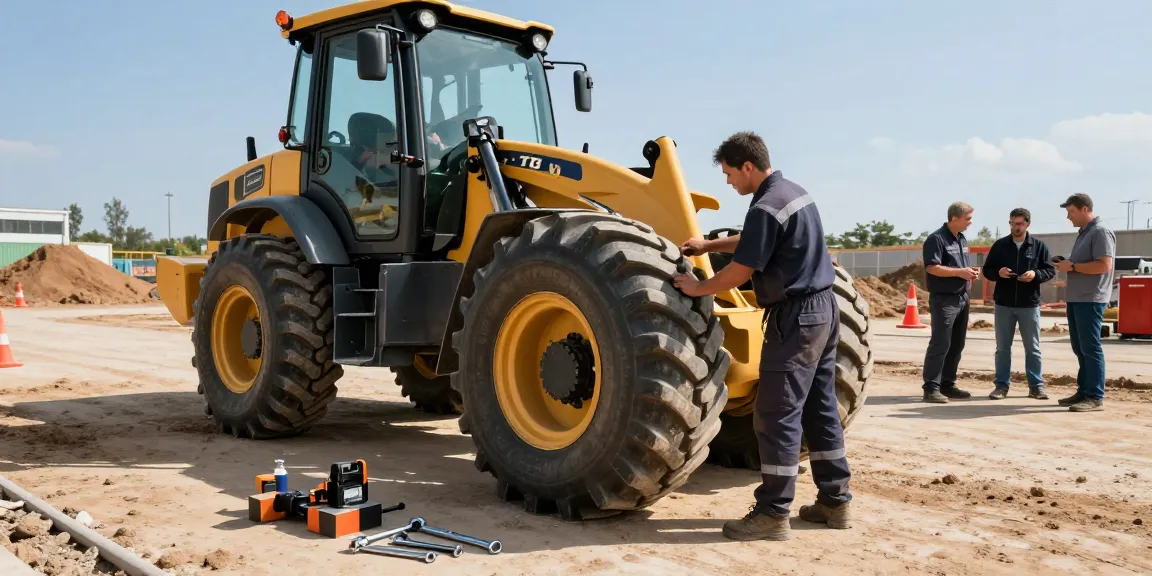
Understanding Construction Safety Training
Construction safety training is a crucial aspect of the construction industry, aiming to prepare workers for the various hazards they may encounter on site. With high-risk environments, comprehensive training reduces accident rates and encourages a culture of safety among all workers. Organizations that prioritize construction safety training not only comply with legal requirements, but also foster an environment that emphasizes employee wellbeing and operational efficiency.
Importance of Construction Safety Training
The construction industry is characterized by its physical demands and inherently dangerous tasks, ranging from working at heights to operating heavy machinery. In this context, effective safety training becomes vital. According to the Occupational Safety and Health Administration (OSHA), the construction sector consistently sees high rates of fatalities and injuries compared to other industries. Proper training equips workers with the knowledge to recognize and mitigate risks, significantly lowering the potential for accidents. With a commitment to ongoing safety education, companies can enhance their reputation, retain skilled workers, and reduce liability.
Key Elements of Effective Training Programs
For training programs to be impactful, they must incorporate several key elements:
- Comprehensive Curriculum: Training should cover various hazards, safe work practices, emergency procedures, and PPE usage.
- Hands-On Experience: Practical training reinforces learning, allowing workers to apply knowledge in real-world scenarios.
- Regular Updates: As regulations and construction practices evolve, training programs must be continuously updated to reflect the latest standards.
- Evaluation and Feedback: Assessing worker knowledge through tests and hands-on evaluations ensures comprehension and retention.
Common Challenges in Implementing Training
Despite the known benefits, implementing a safety training program comes with challenges. Some of the most common issues include:
- Workforce Engagement: Gaining worker buy-in can be difficult. It's essential to foster a culture that values safety by involving employees in the training process and recognizing their contributions.
- Resource Allocation: Allocating time and budget for training can be a hurdle. Organizations should view training as an investment rather than a cost.
- Diverse Learning Styles: Workers have varying learning preferences. Training programs should utilize a mix of visual, auditory, and kinesthetic teaching methods to ensure effectiveness for all types of learners.
Types of Construction Safety Training Available
Online vs. In-Person Training Options
In today's digital age, organizations can choose from various training modalities, with online and in-person options being the most prevalent. Online training provides flexibility, allowing workers to study at their own pace from any location. This is particularly beneficial for workers with irregular schedules or those who are geographically dispersed.
On the other hand, in-person training offers immediate interaction, hands-on practice, and real-time feedback from instructors. It is often more effective for complex topics that require demonstration and practice. An ideal approach may integrate both methods, allowing for theoretical learning online and practical applications in traditional settings.
Certification Courses and Their Benefits
Certification courses, such as those accredited by OSHA, hold substantial weight in professionalism and employer trust. They verify that a worker has been trained in safety protocols that are consistent with industry standards. Benefits include:
- Career Advancement: Certified workers often have better job prospects and potential for upward mobility within their companies.
- Compliance with Regulations: Many projects require specific certifications to meet legal obligations, ensuring projects can move forward without compliance issues.
- Enhanced Safety Record: Organizations that prioritize certified training often observe lower injury rates, which can result in reduced insurance premiums and better overall safety metrics.
Industry Standards and Regulatory Requirements
Construction safety is governed by numerous regulations, primarily set by OSHA. These regulations dictate minimum safety practices, and failure to comply can result in severe penalties. Workers are required to be trained on specific topics like fall protection, scaffolding safety, and electrical safety. Companies must remain vigilant in staying updated with changes to regulations to ensure they adhere to legal standards while maintaining a safe working environment.
Best Practices for Delivering Construction Safety Training
Engaging Training Methods and Techniques
Engagement is crucial in training, as motivated learners are more likely to retain information. Best practices for engaging methods include:
- Interactive Learning: Encourage participation through role-playing, group discussions, and Q&A sessions to foster an interactive environment.
- Use of Real-Life Scenarios: Case studies and incident analyses can illustrate the importance of safety measures, making the implications of training more tangible.
- Continuous Learning Opportunities: Completing initial training should not be the end. Providing ongoing training sessions, refresher courses, and updated workshops reinforces safety as a continual priority.
Utilizing Technology in Safety Training
Technology can significantly enhance training effectiveness. Virtual reality (VR) simulations, for example, provide immersive experiences that can replicate hazardous environments without risk. Additionally, mobile applications can facilitate on-the-go access to training materials, assessments, and real-time updates on safety protocols. Organizations should explore various technological tools to bolster their training programs.
Assessment and Feedback Mechanisms
Assessment not only measures worker comprehension but also guides the improvement of training programs. Regular evaluations through quizzes, practical demonstrations, and participant feedback can pinpoint what works and what needs enhancement. Organizations should cultivate an environment where feedback is actively sought and acted upon to streamline and improve training efforts continually.
Implementing a Construction Safety Training Program
Steps to Develop a Training Plan
Developing a robust training plan involves several key steps:
- Conduct a Needs Assessment: Evaluate the specific safety needs based on the nature of work, previous incidents, and regulatory requirements.
- Design a Curriculum: Based on the assessment, develop a structured curriculum that covers all necessary topics in a coherent manner.
- Choose Training Methods: Decide on the best combination of online and in-person training to deliver the curriculum effectively.
- Schedule Training: Create a training schedule that considers workers’ availability to ensure maximum participation and engagement.
Creating a Safety Culture within Your Organization
A successful training program cannot exist in a vacuum. It is essential to create and nurture a safety culture that percolates throughout the entire organization. This can be achieved by:
- Leadership Involvement: Leaders should model safe behaviors and demonstrate a commitment to safety training.
- Employee Participation: Involve employees at all levels in safety committees and encourage their suggestions regarding safety improvements.
- Celebrating Success: Recognize and reward safe practices in the workplace, fostering a positive reinforcement loop that values safety.
Measuring the Effectiveness of Training Programs
To determine the impact of safety training initiatives, organizations should establish clear metrics for evaluation. Effective measures include:
- Incident Reports: Track and analyze workplace incidents pre-and post-training to assess improvements in safety performance.
- Employee Feedback: Regularly solicit feedback on the training experience to identify strengths and weaknesses in the program.
- Retention Tests: Conduct assessments over time to gauge how well employees retain what they learned from training sessions.
Future Trends in Construction Safety Training
Adapting to New Technologies and Techniques
The landscape of construction safety training is continually evolving with technological advancements. Organizations must remain adaptable and open to integrating new tools, such as mobile learning platforms and AI-driven training systems, that can personalize learning experiences and improve employee engagement.
The Role of Virtual Reality in Safety Training
Virtual reality is poised to revolutionize safety training. By creating realistic scenarios, VR allows workers to practice safety protocols in a controlled environment, enhancing their preparedness without real-world consequences. Early adopters of VR training have reported improved safety performance and higher engagement levels, showcasing its potential in future training paradigms.
Innovations in Safety Training Delivery
The future will likely see even more innovative delivery methods for safety training. Techniques such as gamification can increase motivation and retention by adding competitive elements to training. As technology continues to advance, organizations should be prepared to explore novel ways to engage and educate their workforce, ensuring safety remains a priority in an ever-changing industry landscape.