Understanding Common Toilet Problems
Identifying Symptoms of Toilet Issues
When it comes to maintaining your home, toilet repair is often an overlooked but essential aspect. Toilets are one of the most used fixtures in any home and can develop issues overtime. Identifying the symptoms of toilet problems early can save homeowners substantial time and money. Common symptoms include constant running water, a toilet that won't flush properly, visible leaks, or unusual noises coming from the tank. If you notice any of these signs, it may be time to investigate further.
Common Types of Toilet Repairs
Toilet repairs can range from simple fixes to more intricate solutions. Some of the most common types include:
- Flapper Replacement: A worn flapper can cause continuous water flow.
- Fill Valve Replacement: If your toilet takes too long to fill or doesn’t fill at all, the fill valve might be malfunctioning.
- Tank-to-Bowl Gasket Replacement: This is essential if you notice water pooling around the base of the toilet.
- Unclogging: Obstructions in the toilet can lead to flushing issues.
- Wax Ring Replacement: A faulty wax ring can cause leaks at the base of the toilet.
The Importance of Timely Toilet Repair
Addressing toilet issues promptly is crucial. Delaying repairs can lead to more significant problems, higher water bills, and potential damage to your bathroom's flooring or structure. For instance, a slow leak might seem innocuous, but over time it can cause mold growth and damage to wooden structures. Regular attention to toilets ensures a comfortable and hygienic living environment.
Tools and Materials for Toilet Repair
Essential Plumbing Tools You Need
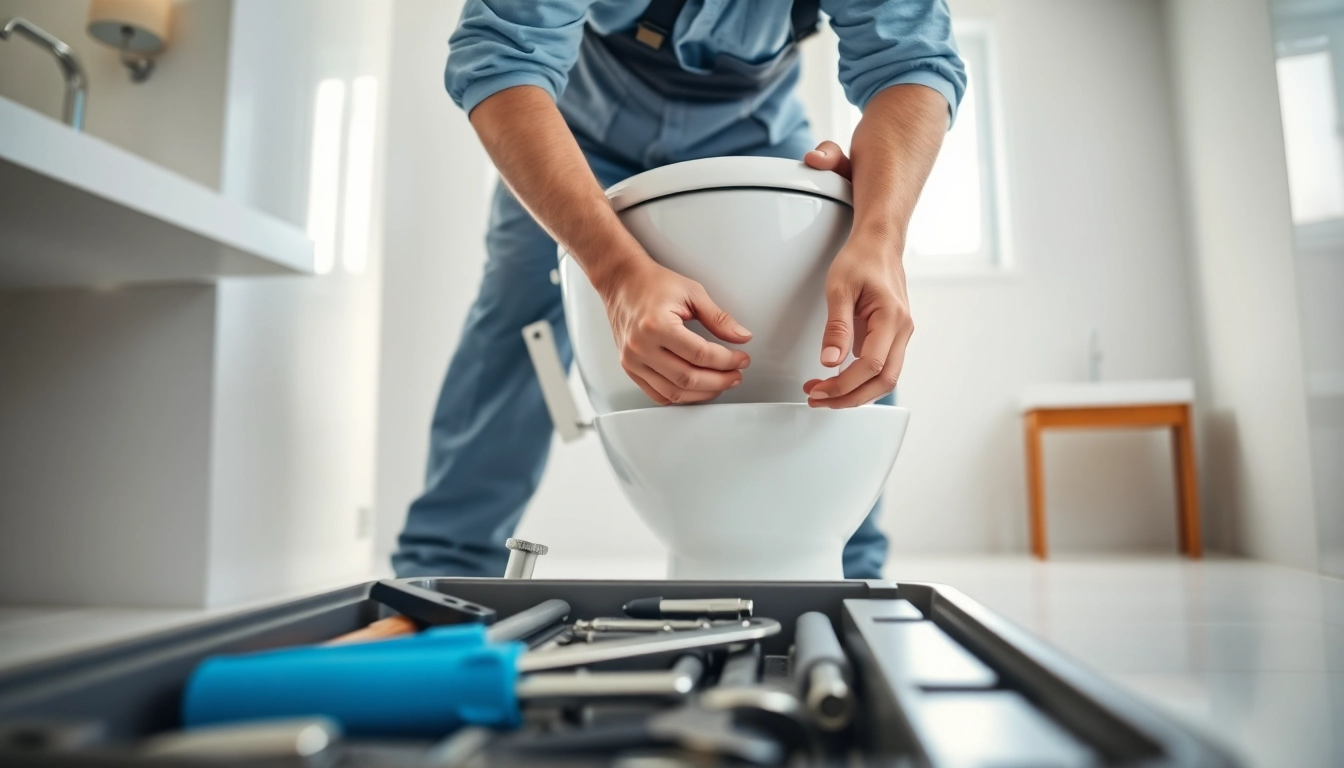
When engaging in toilet repair, it's essential to have the right tools. A well-stocked toolbox should include:
- Wrench: Useful for tightening or loosening nuts and bolts.
- Screwdriver Set: Necessary for various screw sizes and types.
- Plunger: An essential tool for unclogging toilets.
- Pliers: Handy for gripping and manipulating plumbing components.
- Bucket: To catch any water during repair work.
- Rags and Towels: Ideal for keeping the area dry and clean.
Recommended Materials for DIY Toilet Repair
In addition to tools, having the right materials ensures repairs go smoothly. Common materials include:
- Toilet Flappers: Replace them if they become warped or deteriorated.
- Fill Valves: Suitable for replacements when water flow issues arise.
- Wax Rings: Essential for creating a watertight seal at the base of the toilet.
- Flexible Toilet Supply Line: Helpful for connecting the toilet to the water supply.
- Caulk: To seal areas around the toilet’s base to prevent leaks.
Choosing the Right Supplies
Selecting quality supplies is indispensable for successful toilet repairs. When shopping, consider the brand reputation and reviews. Always ensure that parts fit your toilet model, as sizes and specifications can vary widely. It’s also advisable to have extra materials on hand for future repairs, preventing time wastage when problems arise.
Step-by-Step Toilet Repair Techniques
How to Fix a Running Toilet
A running toilet is not just annoying; it can also lead to increased water bills. To fix it:
- Turn off the water supply to the toilet.
- Remove the tank lid and check the flapper's condition. Replace if needed.
- Inspect the chain attached to the flapper for tangles and proper length.
- Test the fill valve. Replace if the water continues to run after adjusting the float.
- Reattach the tank lid and turn on the water supply.
Steps for Replacing a Toilet Flapper
Toilet flappers can wear out and fail to create a proper seal. To replace it:
- Shut off the water supply and flush the toilet to empty the tank.
- Detach the old flapper from the overflow tube and take it to a hardware store for an accurate replacement match.
- Attach the new flapper and adjust the chain length.
- Turn the water back on and check for leaks. If the toilet stops running, you’ve successfully replaced the flapper.
How to Unclog a Toilet Effectively
Unclogging a toilet is a common household task. Here’s how to do it effectively:
- Gather necessary tools: a plunger, possibly a toilet auger for deeper blockages.
- Place the plunger over the drain hole, ensuring a good seal.
- Use gentle force initially, then increase the plunging force to break the clog loose.
- If plunging doesn't work, try using a toilet auger by inserting it into the drain to clear the obstruction.
- Flush once successful to ensure the issue is resolved.
Preventative Maintenance for Toilets
Regular Checks and Maintenance Tips
Preventative maintenance can extend the life of your toilet significantly. Here are some tips:
- Monthly inspection of the flapper valve for wear and tear.
- Regular checks for leaks by adding food coloring to the toilet tank and waiting for 30 minutes.
- Inspect the water level in the tank; it should be about an inch below the top of the overflow tube.
- Clean your toilet regularly to prevent mineral buildup around the parts.
- Ensure that all bolts and connections remain tight and secure.
Signs of Potential Issues to Watch For
Being proactive means knowing the signs of problems before they escalate. Watch for:
- Increased water bills without a known cause.
- Constant noises coming from the tank indicating a potential leak.
- An unstable toilet that rocks; this could indicate a wax ring issue.
- Water pooled around the toilet base, suggesting a leak.
- Staining or discoloration on the wall or floor around the toilet.
Creating a Toilet Maintenance Schedule
Creating a maintenance schedule can keep your toilet functioning optimally. Consider the following when crafting your schedule:
- List all preventative checks and repairs needed for your toilet.
- Assign tasks on a monthly or seasonal basis, depending on their nature.
- Track completed tasks to ensure nothing is overlooked.
- Review the history of toilet repairs to gauge when more in-depth maintenance may be needed.
FAQs About Toilet Repair
What are common signs my toilet needs repair?
Common signs include leaking, constant running, weak flushes, and unusual noises.
Can I fix my toilet without a professional?
Yes, many toilet repairs can be done by homeowners with basic tools and knowledge.
How much does toilet repair typically cost?
Costs vary depending on the issue, but simple fixes may range from $50 to $150.
Is it safe to repair a toilet myself?
It is safe as long as you follow instructions and take necessary precautions. Turn off the water supply.
When should I call a professional plumber?
Call a professional for complex issues, persistent problems, or if you're uncomfortable tackling repairs.