Understanding the Role of a Videographer
What is a Videographer?
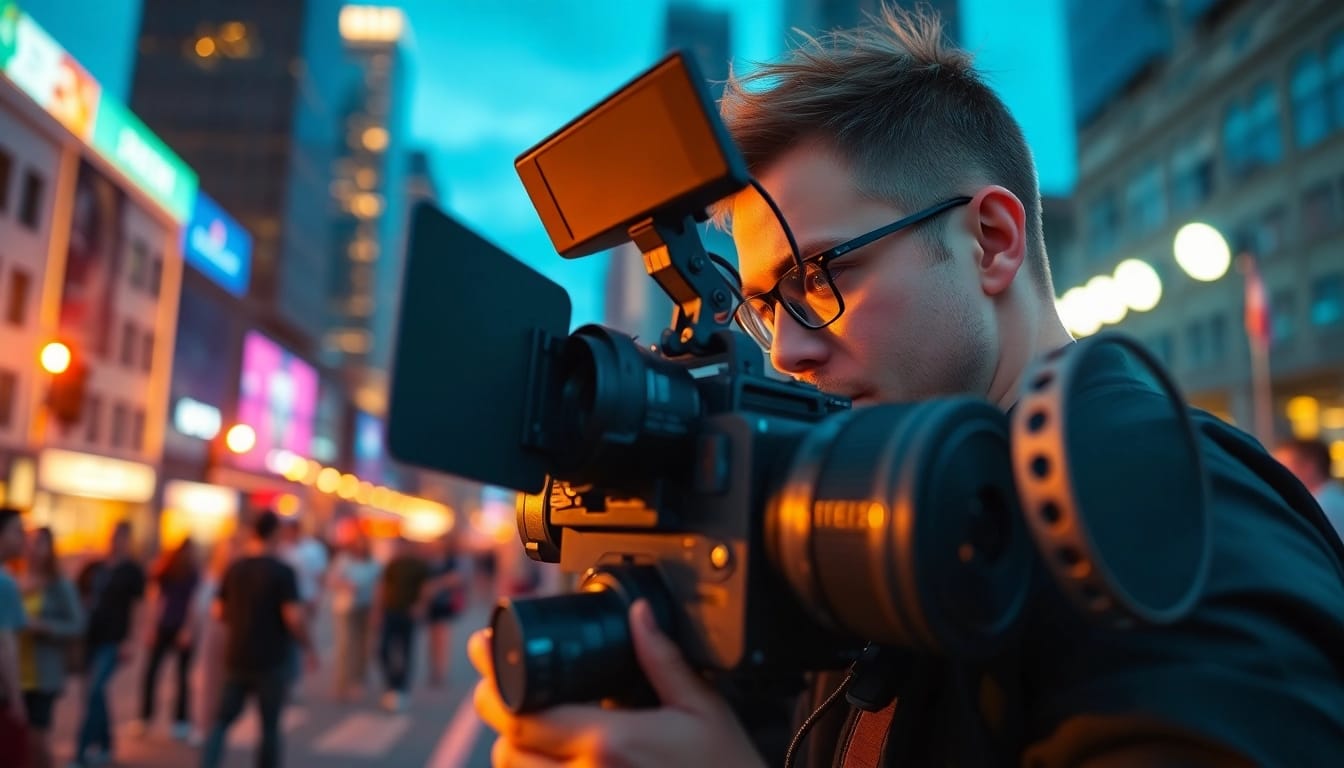
A Videographer is a professional who specializes in shooting and editing video footage. Unlike traditional filmmakers, who often adhere to a more structured production timeline and involve larger crews, videographers usually operate with smaller teams or even solo. They are adept at capturing raw footage for various purposes, including weddings, corporate events, promotional videos, and documentaries. The versatility of a videographer allows them to adapt their skills to various contexts, making them invaluable in the contemporary visual landscape.
The Importance of Videographers in Modern Media
In a world that increasingly prioritizes visual content, the role of the videographer has become critical. Video is now the preferred medium for storytelling, with numerous platforms demanding engaging video material. It's estimated that video content will account for 82% of all online consumer traffic by 2022. Companies across various sectors recognize that effective videography not only helps them connect with their audiences but also enhances their brand image. Videographers are essential to this visual narrative; they have the creative vision and technical skills necessary to convey messages powerfully and memorably.
Common Types of Videographers
Videographers can specialize in various fields, each with unique skills and focus areas:
- Event Videographers: Focus on capturing significant events such as weddings, corporate functions, and concerts. They have to be adept in live situations, ensuring they don’t miss crucial moments.
- Corporate Videographers: Handle video production for businesses. This might include promotional videos, training materials, or internal communication videos.
- Documentary Videographers: More narrative-focused, often working on longer-term projects that require extensive research, storytelling, and editing skills.
- Commercial Videographers: Create videos for advertisements, product showcases, and brand storytelling.
- Social Media Videographers: Specialize in short, engaging videos designed specifically for social media platforms, focusing on virality and viewer retention.
Key Skills to Look for in a Videographer
Technical Competency and Equipment Knowledge
One of the foundational elements of effective videography lies in the technical skills of the videographer. These include:
- Camera Operation: A keen understanding of how to operate different types of cameras and how to leverage their capabilities for optimal footage quality.
- Editing Software Proficiency: Familiarity with video editing software (such as Adobe Premiere Pro, Final Cut Pro, or DaVinci Resolve) is vital, as the editing phase is where the final product takes shape.
- Lighting Techniques: The ability to manipulate natural and artificial lighting to enhance video quality is essential for creating the desired mood and atmosphere in videos.
Creative Vision and Storytelling Ability
Beyond technical skills, a great videographer possesses a creative vision that allows them to tell compelling stories through their work. This includes:
- Understanding Composition: Knowledge of how to frame shots artistically to engage the viewer’s attention.
- Crafting a Narrative: The ability to piece together a story from footage, ensuring the final product resonates emotionally with its audience.
- Adapting Styles: Different projects require different styles. A videographer should be able to adapt their approach based on the project’s needs, whether it be for formal corporate settings or casual social media posts.
Industry-Specific Expertise
Particular industries might have unique requirements, and a strong background in a specific domain can prove immensely valuable. For instance:
- Understanding Corporate Environments: A corporate videographer should grasp the ethos and communication style of the organization they work for.
- Wedding Videographers: They need to be prepared for emotional moments and be sensitive to the atmosphere, ideally blending into the backdrop while ensuring no important moments are captured.
- Documentary Videographers: They should have substantial research skills and the capability to handle complex narratives.
How to Choose the Right Videographer for Your Project
Evaluating Portfolios and Past Work
When selecting a videographer, examining their portfolio is crucial. This gives you a feel for their artistic style, technical competencies, and the types of projects they have experience with. Pay attention to:
- Diversity of Work: Look for a range of projects that demonstrate versatility. A good videographer should be able to shoot and edit a variety of video types.
- Quality of Editing: Notice the flow of the edited videos, transitions, audio quality, and overall pacing. These details can significantly impact the final product.
- Client Testimonials: Seek reviews or testimonials to understand how effectively they operated in past projects and how well they collaborated with clients.
Setting Budgets and Understanding Pricing
Budgeting is a core component of hiring a videographer. Consider the following:
- Understanding Pricing Structures: Many videographers charge based on the type of job, the length of the project, and any special requirements (e.g., equipment rentals).
- Balancing Cost with Quality: Opting for the cheapest option may affect video quality. Aim to find a balance that meets both your budget and your quality expectations.
- Discussing Budget Upfront: Clear communication about the budget from the outset helps avoid misunderstandings and enables the videographer to propose options that fit within your financial parameters.
Interviewing Potential Candidates
Once you have narrowed your choices, interview potential videographers to gauge their compatibility with your project. Key elements to address include:
- Experience: Ask about their experience in your specific industry. Understanding the nuances of your project type can be an asset.
- Creative Approach: Discuss how they approach video projects. This will help you gauge their creativity and alignment with your vision.
- Logistics: Understand their availability and how they manage timelines and project workflows. Ensuring the videographer can deliver on time is vital for project success.
Best Practices for Working with a Videographer
Communicating Your Vision Effectively
Clear communication of your vision is essential for successful collaboration with a videographer. Implement strategies such as:
- Providing References: Share examples of videos that capture the style and tone you’re aiming for, providing a clear reference point for the videographer.
- Outlining Goals: Clearly articulate the goals of the project, whether it's increasing brand awareness or capturing a heartfelt moment at a wedding.
- Establishing Checkpoints: Agree on milestones or check-ins throughout the video production process to ensure alignment and address any concerns early.
The Importance of Pre-Production Planning
Effective pre-production planning sets the stage for a successful project. Elements to consider include:
- Script Development: Collaborate with the videographer on script development to ensure the dialogue and narrative flow align with your vision.
- Shot Lists: Create a shot list to outline required footage, leading to a smoother shooting process.
- Scheduling: Create a detailed schedule that includes timelines for filming and editing, ensuring adequate time is allocated for all phases of production.
Building a Collaborative Relationship
Maintaining a good relationship with your videographer can lead to improved outcomes. Focus on:
- Being Open to Ideas: Trust their expertise—videographers often have insights and suggestions that can enhance the final product.
- Providing Constructive Feedback: Instead of being critical, provide constructive feedback that focuses on improvements, thereby creating a more collaborative atmosphere.
- Respecting Their Time: Value their time and effort by being prompt with decisions and clear in communications.
Trends in Videography You Should Know
Emerging Technologies and Techniques
The landscape of videography is constantly evolving, influenced by emerging technologies. Key trends include:
- 4K and 8K Resolution: As technology advances, high-resolution footage has become more accessible, enhancing image clarity and detail.
- 360-Degree Video: This immersive technique allows viewers to interact with the video environment, creating engaging experiences.
- Drone Videography: Capturing aerial footage provides a unique perspective that traditional filming cannot achieve.
Future of Videography in Content Creation
The rapid growth in the demand for video content suggests a bright future for videographers. Expectations for engagement in a digital-first environment means videographers must continually adapt, honing their skills and exploring new formats. The future will likely bring:
- Live Streaming: With increased interest in authenticity, live video will likely be utilized in various branding opportunities.
- Virtual Reality (VR): VR technologies may shift the way stories are told, allowing for immersive experiences that blend video with interactivity.
- AI in Editing: Artificial intelligence may automate parts of the editing process, enabling quicker workflows without sacrificing quality.
Impact of Social Media on Videography Styles
Social media platforms have dramatically influenced videography styles and strategies. Key impacts include:
- Short-Form Content: The rise of TikTok and Reels has led to a demand for short, captivating videos that capture attention quickly.
- Personalized Storytelling: Audiences now favor authentic and relatable content, prompting videographers to adapt their approaches to focus on real stories and emotional connections.
- Interactive Elements: With platforms allowing for interactive content, videographers may incorporate polls, questions, or other engagement techniques into their videos.