
Introduction to THCA
THCA, or tetrahydrocannabinolic acid, is a naturally occurring cannabinoid found in raw cannabis plants. Unlike THC, THCA is non-psychoactive and does not produce a “high” when consumed in its unheated form. As a member of the cannabinoid family, THCA plays a foundational role in the plant’s chemical composition and serves as a precursor to THC, the most widely known psychoactive compound.
THCA’s Role in the Cannabinoid Family
Cannabinoids are chemical compounds that interact with the human endocannabinoid system. THCA is one of the acidic cannabinoids, meaning it contains a carboxyl group in its structure. This group prevents THCA from binding effectively to CB1 receptors in the brain, which is why it is non-intoxicating. As the cannabis plant matures or is exposed to heat, THCA converts into THC, contributing to the plant’s psychoactive potential.
Potential Benefits of THCA
Research and anecdotal evidence suggest that THCA may offer therapeutic advantages. Potential benefits include anti-inflammatory, neuroprotective, and antioxidant properties. Unlike THC, THCA can provide these effects without causing intoxication, making it an attractive option for wellness-oriented consumers. Its place in the cannabinoid family highlights its versatility and potential value in both scientific research and daily wellness routines.
THCA in Modern Cannabis Products
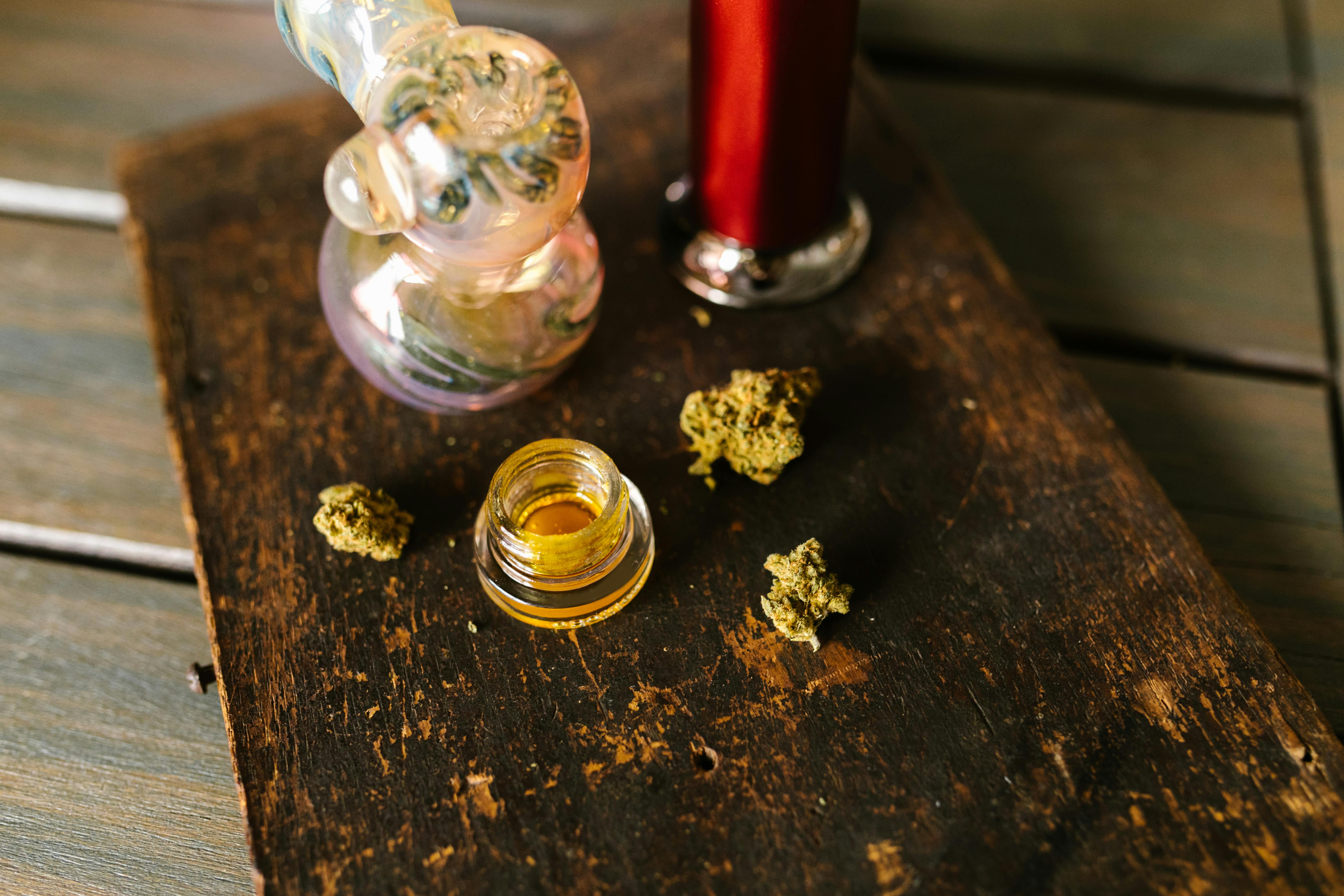
THCA is increasingly present in a variety of consumer products. Raw cannabis flowers, concentrates, tinctures, and capsules are designed to preserve THCA without converting it into THC. These products allow consumers to enjoy the potential benefits of THCA while avoiding psychoactive effects. Understanding how THCA fits into the broader cannabinoid family helps consumers make informed decisions about which products suit their needs.
Legal and Regulatory Considerations
The legal status of THCA can be complex. Many regions regulate cannabis based on THC content, but since THCA converts to THC when heated, authorities often consider total potential THC levels. Consumers and producers must navigate these regulations carefully, ensuring compliance while maintaining the integrity of THCA products. Awareness of the legal framework is essential for safe and responsible use.
Conclusion
THCA is a key member of the cannabinoid family, serving as the non-psychoactive precursor to THC and offering potential health benefits. Its unique chemical properties, role in the plant, and presence in modern wellness products underscore its importance. By understanding how THCA fits into the broader cannabinoid landscape, consumers and researchers can appreciate its value and make informed decisions regarding its use.