
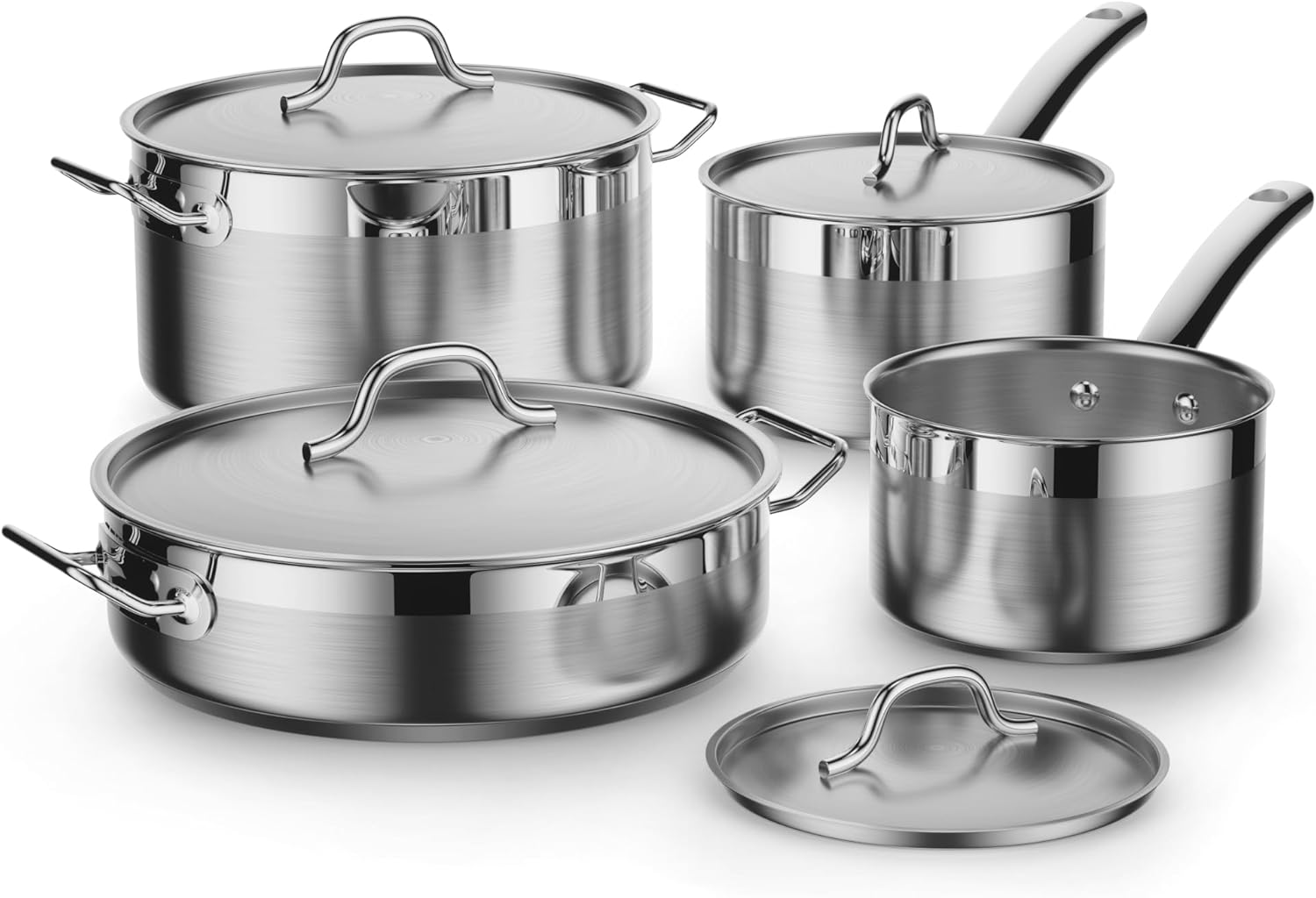
Heavy, cumbersome pots and pans can make cooking feel like a chore, especially for those with limited strength or busy kitchens. Lightweight Cookware combines durability, functionality, and ease of use, allowing home cooks to prepare meals comfortably and efficiently. This guide explores the benefits, materials, and must-have pieces of lightweight Cookware for effortless cooking.
Why Lightweight Cookware Matters
Heavy Cookware can strain your wrists, make pouring and lifting difficult, and even slow down meal preparation. Lightweight Cookware ensures better control, safer handling, and faster cooking. With the right pieces, you can enjoy efficient cooking without sacrificing performance or durability.
Best Materials for Lightweight Cookware
Aluminum
Aluminum Cookware is naturally lightweight, conducts heat evenly, and is easy to maneuver. Hard-anodized aluminum provides extra strength, scratch resistance, and durability while keeping the pan light enough for everyday use.
Stainless Steel with Aluminum Core
Stainless steel Cookware with an aluminum or copper core combines the durability of steel with lightweight, efficient heat conduction. This type of Cookware is strong, corrosion-resistant, and easier to handle than solid stainless steel pans.
Nonstick Coatings
Nonstick Cookware often uses lightweight aluminum bases, making the pieces easy to lift and handle. Nonstick surfaces also reduce the need for excessive oil and simplify cleanup.
Titanium or Carbon Steel
Titanium-reinforced or thin carbon steel Cookware is both lightweight and strong. These materials maintain excellent heat conduction without the bulk of traditional cast iron or heavy steel.
Essential Lightweight Cookware Pieces
Skillet or Fry Pan
A 10-inch nonstick or aluminum skillet is perfect for daily use. Its lightweight design makes flipping, stirring, and transferring food effortless.
Saucepan
Lightweight saucepans of 1–3 quarts handle sauces, grains, and small portions of soup with ease. They are easy to lift and pour, reducing strain during cooking.
Sauté Pan
A small sauté pan with a lightweight base allows you to stir, toss, and sear ingredients comfortably, perfect for one-pan meals.
Stockpot
Even larger stockpots can be lightweight if made from aluminum or thin stainless steel. These are ideal for soups, pasta, or boiling water without the burden of heavy handles.
Tips for Using Lightweight Cookware
Avoid Overheating
Lightweight Cookware heats quickly, so monitor the temperature to prevent burning or warping.
Use Proper Utensils
Non-abrasive utensils preserve the surface of nonstick or coated lightweight Cookware, ensuring long-lasting performance.
Careful Storage
Lightweight Cookware can be stacked or nested to save space, but protect delicate coatings with pan protectors or felt liners.
Choose Ergonomic Handles
Look for Cookware with comfortable, heat-resistant handles that make lifting and maneuvering easier, especially when handling full pots and pans.
Why Magic Chef Recommends Lightweight Cookware
Magic Chef understands that easy handling improves both safety and cooking enjoyment. Lightweight Cookware provides professional performance without the strain of heavy pots and pans. From everyday frying and boiling to multitasking in the kitchen, lightweight Cookware enhances efficiency and comfort for home cooks of all skill levels.
Conclusion
Lightweight Cookware offers a perfect balance of performance, durability, and ease of use. From nonstick skillets and aluminum saucepans to lightweight stockpots and sauté pans, these pieces make cooking more comfortable and efficient. Investing in high-quality lightweight Cookware ensures you can prepare meals safely, easily, and enjoyably every day.