Understanding Steel Fabrication Shops
What is Steel Fabrication?
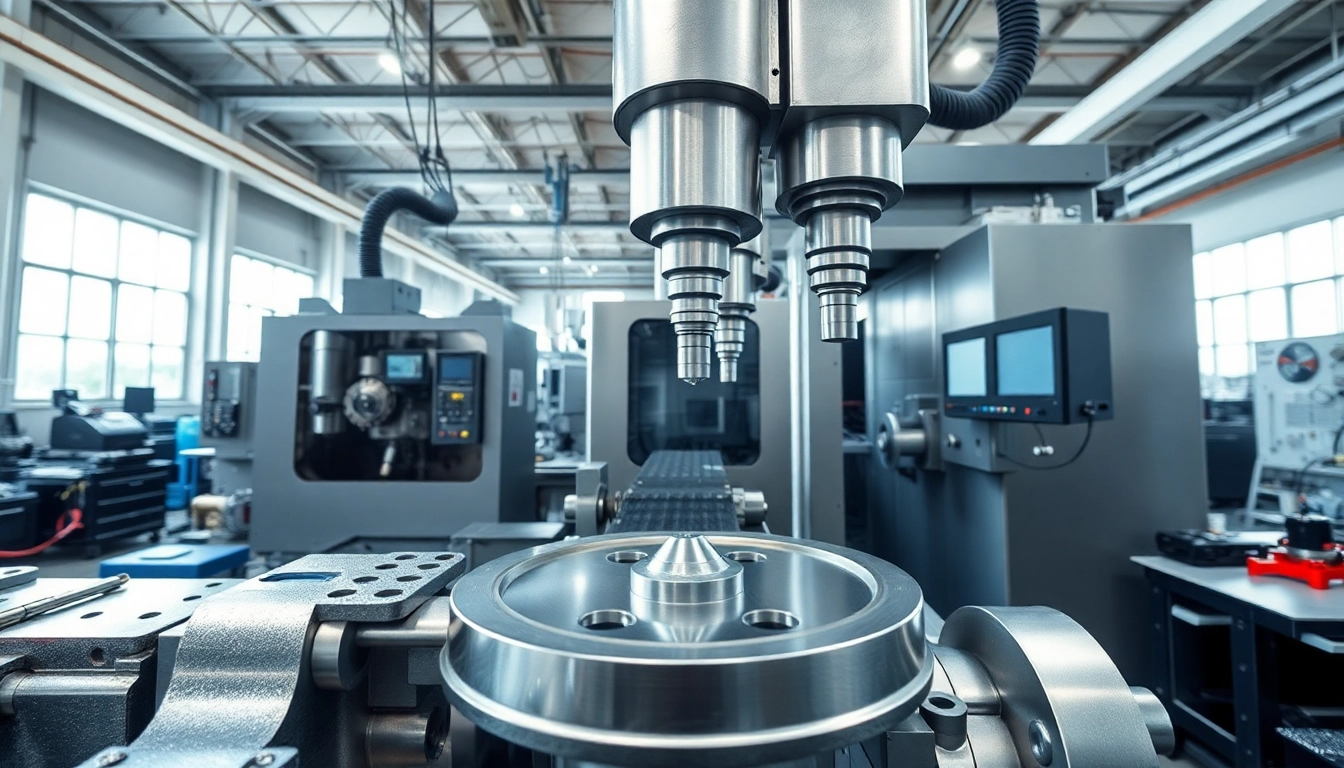
Steel fabrication is the process of creating structures or components from raw steel material. This involves cutting, bending, and assembling steel to form the desired shapes and structures. Each piece of fabricated steel is custom made to fit the unique specifications of a project, which makes this process indispensable in construction, manufacturing, and engineering sectors. The steel fabrication shop serves as a centralized facility where these processes are conducted, often equipped with specialized machinery and skilled labor to ensure precision and efficiency in production.
Key Services Offered by a Steel Fabrication Shop
Steel fabrication shops typically offer a variety of services, catering to different industries and project requirements. Key services include:
- Metal Cutting: Using advanced machinery like plasma cutters, water jets, and laser cutters to achieve precise dimensions and shapes of steel components.
- Bending and Forming: Utilizing machinery such as press brakes and rolls to bend steel to specified angles and shapes.
- Welding: Joining steel components together using different welding techniques such as MIG, TIG, and arc welding to ensure stability and strength.
- Surface Treatment: Applying coatings, paint, or finish treatments to protect steel from rust and corrosion.
- Assembly: Combining multiple fabricated parts into a finished product or structure.
The Importance of Customization in Steel Fabrication
Customization is a cornerstone of steel fabrication. Each project has unique structural requirements influenced by its purpose, environment, and design specifications. Custom fabricators can produce single items or large-scale assemblies tailored to exact measurements, which is crucial in sectors ranging from commercial construction to heavy machinery manufacturing. This flexibility ensures that structures can be designed to meet specific loads or aesthetic considerations, thus enhancing performance and longevity.
Selecting the Ideal Steel Fabrication Shop
Factors to Consider When Choosing a Shop
Choosing the right steel fabrication shop is critical for the success of your project. Here are several factors to consider:
- Reputation: Research the fabricator’s reputation through reviews, testimonials, and their portfolio of past work. A company with a solid reputation is likely to deliver quality products.
- Experience: Look for a shop with extensive experience in your particular type of project. Expertise in specialized fields can significantly impact your project's outcome.
- Capabilities: Assess whether the shop has the necessary equipment and technology to handle your specific fabrication needs.
- Certifications: Verify if the shop possesses relevant certifications such as ISO or AWS, ensuring compliance with industry standards.
Evaluating Contractor Portfolios and Experience
When selecting a fabrication shop, analyzing their portfolio can provide insights into their work quality and capabilities. Look for case studies that demonstrate:
- Project Variety: A diverse portfolio shows adaptability and capability to handle different complexities.
- Quality of Work: High-quality finishes and attention to detail are crucial indicators of a good fabricator.
- Project Scale: Experience with both small and large projects can indicate scalability in operations.
Understanding Certifications and Industry Standards
Certifications help ensure that the fabrication shop meets specific industry standards for quality and safety. Look for:
- AWS Certification: The American Welding Society certifies welders and shops, ensuring high-quality welding practices.
- ISO Certifications: ISO 9001 certification signifies a commitment to quality management system practices.
- CE Marking: This indicates compliance with EU safety, health, and environmental requirements, essential for projects within those jurisdictions.
Cost Considerations in Steel Fabrication
Understanding Pricing Models
The pricing models for steel fabrication can vary widely based on several factors, including labor, materials, and machine overhead. Common models include:
- Fixed Pricing: A pre-determined cost for specific services, which helps in budgeting but may not account for unforeseen changes.
- Time and Materials: Pricing based on the actual time spent and materials used, suitable for projects with unpredictable requirements.
- Unit Pricing: Pricing per unit fabricated, which can help manage costs on larger production runs.
Estimating Your Project Budget
Developing a comprehensive budget for steel fabrication involves considering multiple cost factors:
- Labor Costs: Hiring skilled labor for fabrication can significantly affect budget estimates. It’s essential to recognize how project complexity might increase labor hours.
- Material Costs: Prices can fluctuate based on market conditions and steel type, so projecting these costs accurately is critical.
- Indirect Costs: Overhead expenses like utilities, machine upkeep, and administrative costs should also be factored into the budget.
How Location Affects Costs in the Steel Fabrication Sector
Geographical factors play a significant role in the overall cost of steel fabrication. These factors include:
- Shipping Costs: Transportation from the shop to the job site can add to expenses, especially for large projects.
- Labor Rates: Labor costs can vary significantly by region, influenced by local demand and average wages.
- Local Regulations: Compliance with local laws and building codes can impact both costs and design flexibility.
Best Practices for Working with Steel Fabrication Shops
Establishing Clear Communication
Effective communication is vital for a successful partnership with a steel fabrication shop. Here are some best practices:
- Detailed Specifications: Provide precise and comprehensive project specifications, including materials and deadlines, to avoid misunderstandings.
- Regular Updates: Schedule routine check-ins or updates throughout the fabrication process to monitor progress and address potential concerns.
- Feedback Loop: Encourage open feedback to ensure both parties are aligned on expectations and quality standards.
Setting Realistic Timelines and Expectations
Establishing timelines that are practical can greatly improve the workflow between you and the fabrication shop. Considerations include:
- Complexity of Design: More intricate designs will naturally require more time for fabrication.
- Shop Workload: Inquire about the shop's current workloads, as this could influence your project's timeline.
- Potential Delays: Factor in potential delays due to material availability or machine breakdowns to create a realistic timeline.
Quality Control Measures to Expect
Quality control is a crucial aspect of the fabrication process. You should expect the following measures:
- In-House Inspections: The shop should have a protocol for inspecting each component before it leaves the facility.
- Documentation: Maintain thorough records of quality checks and any certifications associated with materials used.
- Testing: Depending on your project's requirements, materials may undergo stress tests or other evaluations to ensure safety and durability.
Future Trends in Steel Fabrication
The Role of Automation in Steel Fabrication Shops
Automation is rapidly transforming the steel fabrication industry, bringing numerous benefits:
- Increased Efficiency: Automated machinery can operate continuously, significantly reducing fabrication time and costs.
- Enhanced Precision: Automation minimizes human error, resulting in more accurate cuts and welds that meet stringent specifications.
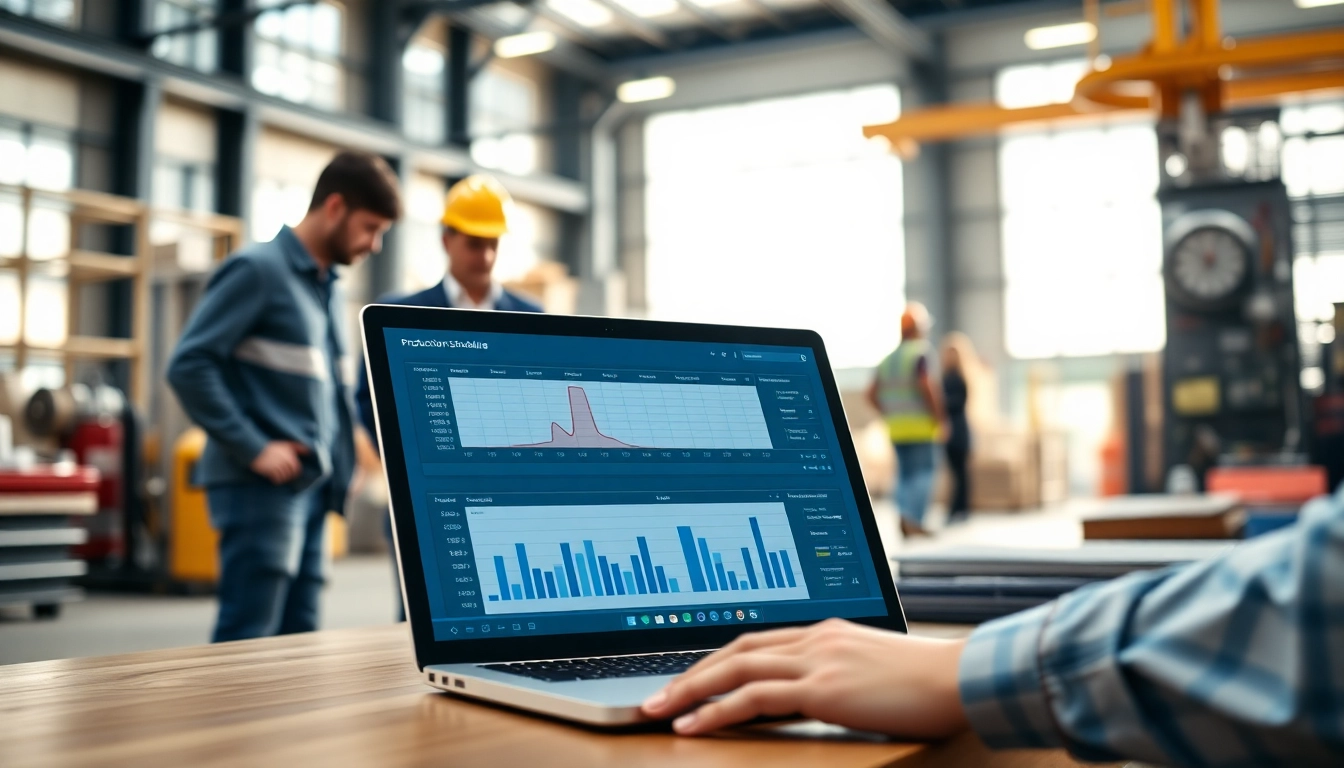
- Data Integration: Automated systems often integrate data analytics, allowing for better tracking of production rates and material usage.
Sustainable Practices in Steel Fabrication
As environmental concerns continue to rise, steel fabrication shops are increasingly adopting sustainable practices:
- Recycled Materials: Using recycled steel helps reduce overall production costs and limits the carbon footprint.
- Energy-Efficient Processes: Implementing energy-efficient machinery and optimizing workflows can lead to reduced energy consumption.
- Waste Minimization: Substantial efforts are being made to reduce waste through efficient material management and recycling initiatives.
Emerging Technologies Influencing the Industry
Several emerging technologies are beginning to have a substantial impact on steel fabrication:
- 3D Printing: This technology allows for rapid prototyping and creates complex components without the need for traditional tooling.
- Robotics: Robots are being used for various tasks such as welding, painting, and material handling, increasing safety and productivity.
- Advanced Software Solutions: CAD (Computer-Aided Design) and CAM (Computer-Aided Manufacturing) software enhance design capabilities and optimize fabrication processes.