The Fascinating Journey of Audio Cassette
In the ever-evolving landscape of audio technology, few formats have left as significant an imprint on culture as the audio cassette. Originating in the 1960s, the audio cassette not only transformed how we recorded and consumed music but also influenced the music industry, personal nostalgia, and DIY culture. This article delves deep into the rich history, technology, cultural significance, and future of the audio cassette, offering insights for both the uninitiated and seasoned enthusiasts alike.
The History of Audio Cassette
Origins and Invention of the Audio Cassette
The audio cassette was invented in 1963 by the Dutch company Philips, emerging as a solution to the need for a portable and user-friendly format for audio recording. Its compact design allowed consumers to carry music easily, making it a critical innovation in consumer audio technology. Philips’ revolution was not merely about convenience; it represented a shift towards personal empowerment in music consumption. With the audio cassette, everyday people could now record and play music in their homes for the first time, shifting power away from record labels and back into the hands of the consumer.
Evolution of Usage Over the Decades
Throughout the 1970s and 1980s, the audio cassette surged in popularity, fueled by the advent of car stereos and portable cassette players like the Walkman. Cassettes became the standard means of distributing music, overtaking vinyl records and significantly impacting how music was marketed and sold. The ability to create mixtapes led to a personalization of musical tastes, turning music listening into a more intimate and shared experience among friends and loved ones.
As home recording improved, music enthusiasts began creating their own cassettes, leading to a massive cultural shift. The cassette was not only a medium for playback but also a tool for creativity, allowing budding musicians to produce their own recordings without the need for expensive studio time. This democratization of music production ushered in the rise of independent labels and the DIY ethos that defines many modern musicians today.
The Decline and Resurgence of Audio Cassette
However, by the late 1990s, the audio cassette began its decline, outpaced by digital formats such as CDs and later, digital streaming services. While cassette production dwindled, collectors cherished the remaining cassettes, viewing them as artifacts of a bygone era. In the early 2000s, an unexpected nostalgia for analog formats helped drive a resurgence in cassette popularity, particularly among younger generations intrigued by retro technology. Today, the audio cassette is experiencing a renaissance, embraced by collectors, nostalgic audiophiles, and new artists looking to differentiate themselves in an oversaturated digital marketplace.
Understanding Audio Cassette Technology
How Audio Cassette Mechanisms Work
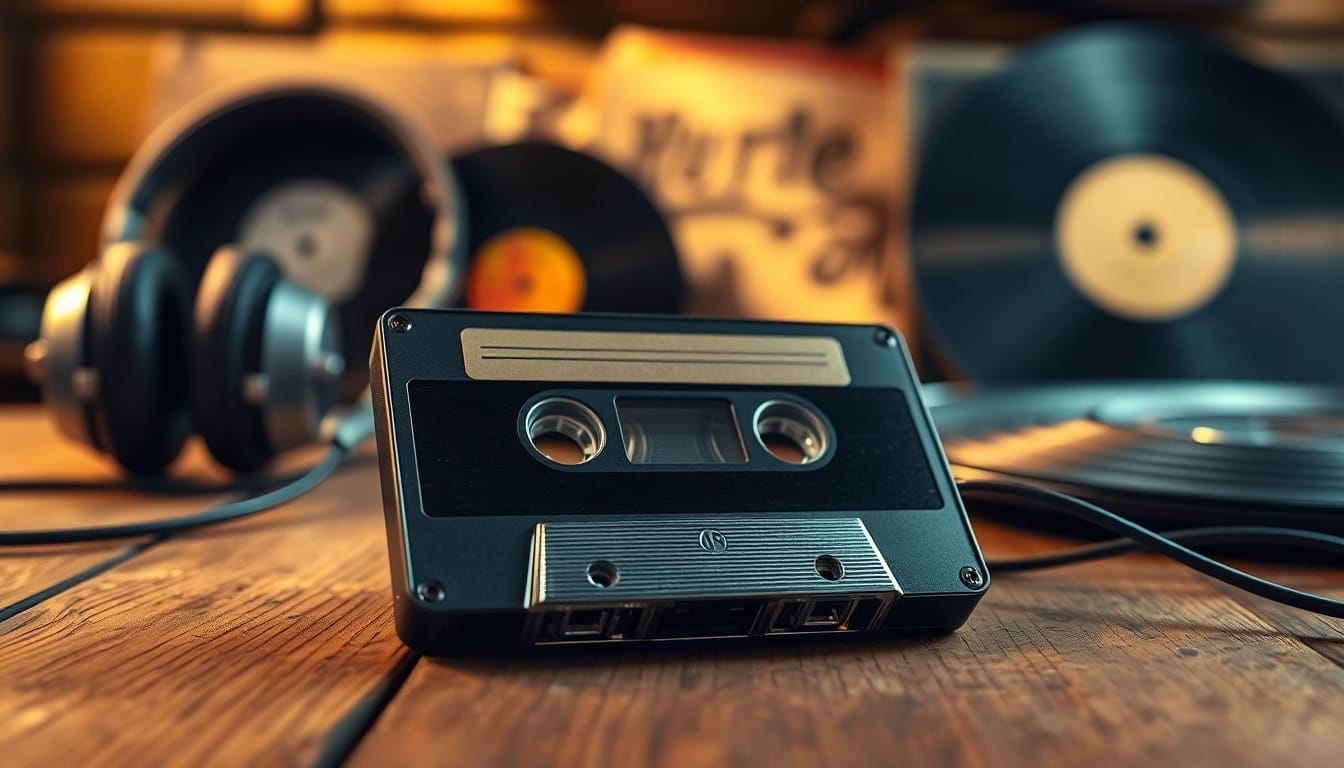
The audio cassette operates on a straightforward yet ingenious mechanism. At its core, sound is recorded on magnetic tape that runs past a fixed read/write head. The tape is housed in a plastic shell, protecting the tape from dust and environmental factors that could alter the quality of the sound. As the tape moves, it passes magnetic heads that either encode sound onto the tape or retrieve it during playback.
This analog system utilizes two tracks, with one track dedicated to each stereo channel. While the audio cassette may not match the fidelity of modern digital formats, its unique characteristics—such as slight tape hiss and a warm sound—have endeared it to audiophiles and music lovers alike. Some engineers even argue that the inherent limitations of the audio cassette contribute to its charming sonic profile, giving recordings a distinct character absent in pristine digital formats.
Key Features of Audio Cassette
Several features define the appeal and functionality of the audio cassette:
- Portability: The compact size allows users to carry and play music virtually anywhere, from car stereos to portable tape players.
- Re-recordable: Users can overwrite old recordings, offering a level of flexibility not found with vinyl records.
- Physical Interface: The tactile experience of handling tapes, such as the ritual of inserting and ejecting, enhances the listening experience compared to digital streaming.
- Mixtape Culture: The format's ease of use encourages personalization, allowing enthusiasts to curate their favorite songs for friends and special occasions.
Comparison with Other Audio Formats
Contrarily, while comparing audio cassettes to other formats, it becomes apparent that each medium has its pros and cons. Vinyl records are celebrated for their superior audio fidelity and aesthetically pleasing artwork but lack the portability of cassettes. In contrast, CDs provide clearer sound and longer playback times, yet they do not come with the same nostalgic flair that audio cassettes possess.
This distinctiveness positions the audio cassette as an indispensable memorabilia for collectors and fans eager to relive the musical culture of past decades, emphasizing not merely a form of music consumption but a shared experience among generations.
The Cultural Impact of Audio Cassette
Audio Cassette in Music History
The audio cassette is interwoven with significant cultural shifts in music. Its affordability and versatility facilitated the rise of DIY bands and independent artists, propelling them into prominence without the backing of labels. Notably, scenes such as punk rock thrived thanks to cassettes, allowing underground tapes to circulate and reach diverse audiences while bypassing the corporate music industry entirely.
Additionally, important subcultures and musical movements relied on the format to spread their messages and aesthetics. The mixtape, a creation that thrived on cassette, became symbolic of personal expression, serving as gifts between friends and romantic interests, a trend that endures in various forms today.
Its Role in the DIY Music Scene
The prominence of the audio cassette in underground music scenes cannot be overstated. Bands would record their music at home, producing mixtapes to distribute at shows or send to radio stations. This spontaneity and accessibility contrasted greatly with the more traditional, costly methods of music production, empowering artists from diverse backgrounds to share their sound without concern for financial barriers.
Moreover, the ease of duplication allowed for widespread sharing, with artists copying their tapes to sell or trade, creating an underground economy of music creation. The very act of creating a mixtape personalized the listening experience, immortalizing relationships and moments in the form of recorded sound.
The Nostalgic Appeal of the Audio Cassette
The resurgence of interest in the audio cassette can largely be attributed to nostalgia. For many, the cassette harkens back to formative years filled with fond memories of creating mixtapes, decorating cassette sleeves, and listening to favorite tracks repeatedly. The warm sound, though imperfect, offers an emotional connection that digital formats often fail to capture.
In a world increasingly dominated by digital noise and automated playlists, the tactile nature of handling an audio cassette—its physicality—represents a longing for simplicity and authenticity. Collectors have begun to share stories of their audio experiences, highlighting how the audio cassette serves as a portal to the past, a way to revisit not just songs but entire eras.
Collecting and Enjoying Audio Cassette
Tips for Starting an Audio Cassette Collection
Starting an audio cassette collection can be a rewarding pursuit. Here are some tips to help you dive into the world of cassettes:
- Research: Familiarize yourself with different genres and notable artists' cassette releases. Understanding key albums can help you make informed decisions when collecting.
- Explore Garage Sales and Thrift Shops: These locations can yield hidden gems, often at a fraction of the price you'd find online or in stores.
- Engage with Audio Communities: Online forums, social media groups, and local meet-ups can connect you with other cassette lovers who may have rare items for trade or sale.
Essential Gear for Audio Cassette Enthusiasts
To enjoy and preserve the quality of audio cassettes, having the right gear is essential. Consider investing in the following:
- High-Quality Tape Deck: A reliable cassette player ensures the best playback and recording fidelity without excessive wear on your tapes.
- Cleaning Supplies: Regularly cleaning your tape deck and cassettes prolongs their lifespan and improves sound quality.
- Storage Solutions: Keep your cassettes in a temperature-controlled environment and store them upright to avoid warping.
Preserving and Maintaining Your Audio Cassette
To maintain your audio cassettes in optimal condition:
- Limit Exposure to Heat and Humidity: Cassettes are sensitive to temperature changes and moisture, so store them in cool, dry environments.
- Handle with Care: Avoid touching the magnetic tape when inserting or removing cassettes to prevent damage.
- Rewind After Use: Rewinding your cassettes after playing preserves the integrity of the tape, ensuring it plays well for years to come.
Future of Audio Cassette in Digital Age
Integrating Audio Cassette with Modern Technology
As technology advances, so too does the way we interact with audio cassettes. Modern devices like cassette-to-digital converters allow enthusiasts to digitize their collections, enhancing accessibility while preserving the original sound quality. This integration opens new avenues for sharing and enjoying audio cassettes without compromising the format’s nostalgic essence.
Additionally, some contemporary musicians are embracing the cassette format, producing limited runs as a means of artistic expression. The physical nature of tapes and their unique sound qualities resonate with artists, offering a departure from the sterile nature of digital production.
The DIY Revival: Audio Cassette in Today’s Music Culture
The rise of the DIY movement in music parallels the resurgence of audio cassettes. Musicians today recognize the nostalgic value of cassette culture while leveraging its unique characteristics for modern projects. The audio cassette has become a medium for artistic experimentation, often serving as a canvas for album artwork, handmade packaging, and community-oriented projects.
This fusion of analog and digital gives rise to innovative releases and concert experiences, with artists often using multimedia approaches to create engaging content that captures the imagination of younger audiences.
The Lasting Legacy of Audio Cassette
The legacy of the audio cassette is profound. It represents not just a technological innovation but also a defining moment in the democratization of music production and consumption. The ability to create, share, and enjoy music on one’s terms has fundamentally changed the music industry, influencing countless generations of musicians and listeners.
As we look to the future, it is clear that while digital formats continue to dominate, the audio cassette will remain a beloved item for collectors and a vital part of the cultural narrative. Its revival speaks to humanity's enduring desire for connection, creativity, and authenticity, making the audio cassette not just a relic of the past but a vibrant part of our musical landscape still waiting to be explored.