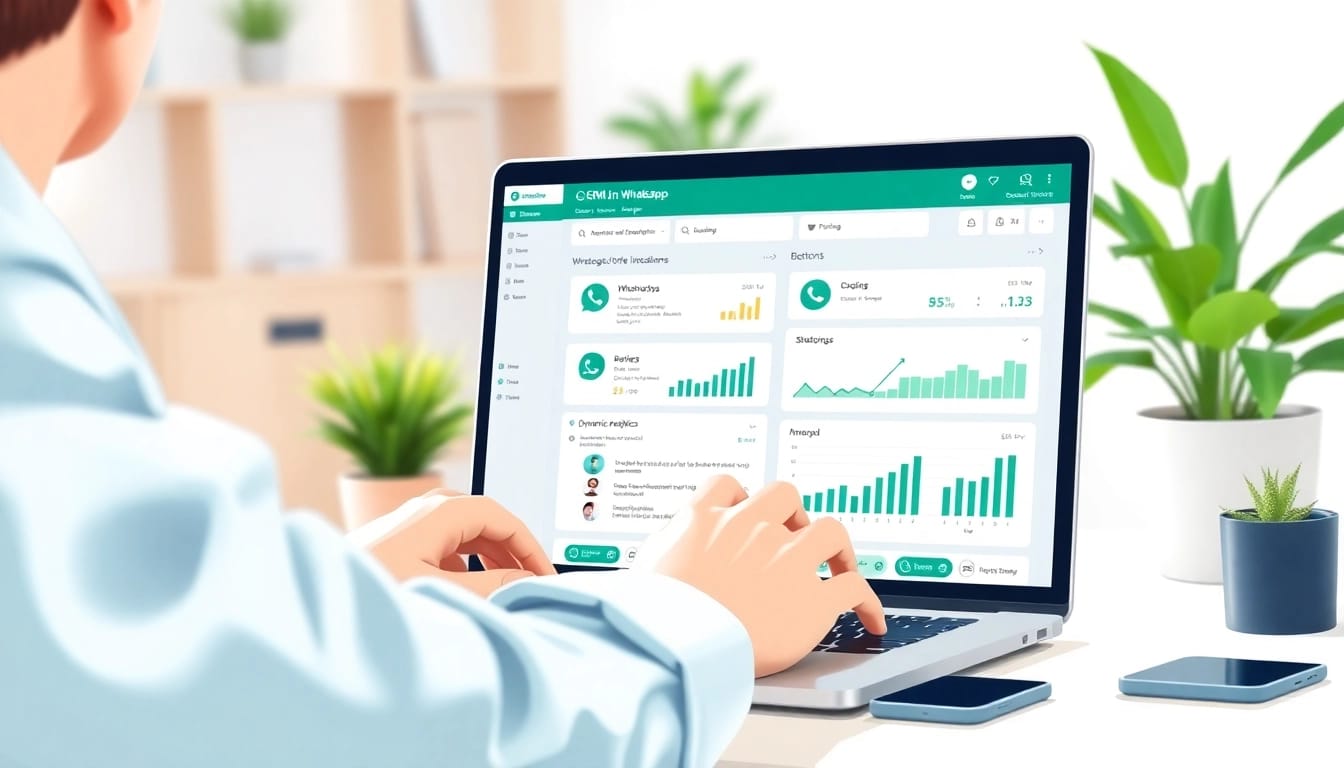
Introduction to What is a CRM for WhatsApp
In an era where customer interactions have shifted significantly towards messaging platforms, understanding how to manage these interactions effectively has become crucial for businesses. One of the standout platforms in this arena is WhatsApp, known for its robust communication features and user-friendly interface. As organizations seek to enhance their customer relationship management (CRM) strategies, the concept of integrating WhatsApp into existing CRM systems has gained significant traction. But what exactly is a CRM for WhatsApp? This article aims to explore this concept thoroughly, detailing its functionality, benefits, challenges, and future trends.
Defining CRM in the WhatsApp Context
A Customer Relationship Management system tailored for WhatsApp integrates the functionalities of traditional CRM tools with the communication capabilities of WhatsApp. Essentially, it enables businesses to keep track of customer interactions on WhatsApp, manage leads, and provide support seamlessly. With the ability to connect directly with customers in real-time, a WhatsApp CRM creates a personalized experience that can help build loyalty and enhance satisfaction.
Key Features of WhatsApp CRM Solutions
WhatsApp CRM solutions come packed with a variety of features designed to optimize communication and streamline processes. These include:
- Integration with WhatsApp Business API: This allows organizations to automate and manage communication without human intervention for common inquiries.
- Centralized Dashboard: A single interface where all WhatsApp messages, contacts, and customer data are accessible.
- Automated Messaging: Schedule and send messages, ensuring timely responses even outside business hours.
- Customer Segmentation: Categorize customers based on their behavior and preferences for tailored marketing strategies.
- Analytics and Reporting: Track engagement metrics to evaluate communication effectiveness and customer satisfaction.
Importance of CRM for Customer Engagement
In today's digital landscape, effective customer engagement is not just beneficial; it is essential for survival. With the use of a CRM for WhatsApp, businesses can communicate directly with their customers where they are most comfortable. This ensures that responses are quicker, leads are nurtured effectively, and customer issues are resolved promptly. Building these strong relationships leads to better customer retention rates and can significantly impact a business's bottom line.
The Functionality of What is a CRM for WhatsApp
How WhatsApp Integrates with CRM Systems
Integrating WhatsApp with existing CRM systems allows businesses to merge their customer communication channels with their customer management efforts. This integration typically involves API usage, which facilitates bi-directional communication. Hence, when a customer initiates a conversation via WhatsApp, the CRM captures this interaction alongside previous conversations, transactions, and other data. Such integration makes it easy to access a holistic view of customer interactions, enhancing the customer's experience and allowing for more timely follow-ups.
Functions and Automation Capabilities
The automation capabilities of a CRM for WhatsApp allow businesses to handle high volumes of interactions without excessive manual input. Features may include:
- Auto-responses: Frequently asked questions can be pre-defined, allowing instant replies.
- Lead Generation: Tools to automatically gather contact information and nurture leads based on their inquiries.
- Workflow Automation: Streamline operational processes, assigning tasks to team members based on customer queries received via WhatsApp.
Analyzing Customer Interactions via WhatsApp
Data analytics is a cornerstone of effective CRM systems. By analyzing customer interactions on WhatsApp, businesses can gain insights into customer behavior, preferences, and pain points. This data can be used to refine marketing strategies, enhance product offerings, and fine-tune customer service approaches. Key metrics to examine include response times, customer satisfaction ratings, and resolution rates for customer issues.
Advantages of Implementing What is a CRM for WhatsApp
Improved Customer Communication and Support
One of the primary benefits of a WhatsApp CRM is the enhancement of customer communication and support. The platform's widespread use means customers are already familiar with it, leading to less friction in communication. Furthermore, the immediate nature of WhatsApp allows businesses to address inquiries as they arise, thereby improving overall customer satisfaction.
Enhancing Marketing Efforts through Automation
With automated messaging features, businesses can efficiently execute marketing campaigns through WhatsApp. This includes sending promotions, reminders, and personalized messages based on previous interactions. Such targeted marketing not only increases engagement rates but also improves campaign effectiveness by reaching customers with information they are likely interested in.
Tracking Performance Metrics Effectively
A WhatsApp CRM facilitates the tracking of performance metrics such as conversion rates, customer acquisition costs, and lifetime value of customers. By collecting and analyzing this data, businesses can make informed decisions regarding their sales and marketing strategies, thereby optimizing ROI.
Challenges and Solutions in Using What is a CRM for WhatsApp
Common Hindrances Businesses Face
While implementing a WhatsApp CRM presents numerous benefits, several challenges can arise, including:
- Integration Issues: Merging WhatsApp with existing CRM systems can be complex, particularly if the systems are outdated.
- Data Privacy Concerns: Handling customer data responsibly is paramount, requiring compliance with regulations such as GDPR.
- Reluctance to Adapt: Some teams may be hesitant to adopt new technology or processes, leading to underutilization of the system.
Best Practices for Seamless Integration
For a successful WhatsApp CRM implementation, businesses should consider the following best practices:
- Choose the Right Software: Select WhatsApp CRM solutions that are compatible with existing systems to avoid integration headaches.
- Train Employees: Provide training to ensure that employees are comfortable using new tools and are aware of their benefits.
- Maintain Data Accuracy: Regularly update and clean your CRM data to ensure customer information is current and relevant.
Adapting to Customer Needs
As customer preferences fluctuate, businesses must remain adaptable. Continuous feedback from customers can guide necessary changes to communication strategies. Utilizing chatbots within the CRM can also assist in capturing customer feedback immediately after interactions, allowing for prompt adjustments and improvements.
Future Trends Influencing What is a CRM for WhatsApp
Emerging Technologies in CRM Solutions
The future of CRM systems, particularly those incorporating messaging platforms like WhatsApp, will likely be shaped by emerging technologies such as artificial intelligence and machine learning. These technologies can enhance customer insights and automate more advanced interactions, leading to improved service delivery that feels personalized at scale.
Predictions for WhatsApp CRM Development
As the digital landscape progresses, the demand for features such as advanced analytics, enhanced personalization, and cross-platform integrations will likely grow. Businesses can expect WhatsApp CRM solutions to evolve, offering more sophisticated tools that make customer interactions smarter and more effective.
Preparing for Changing Customer Expectations
Today's customers are more discerning and value immediate, effective communication. Organizations must be proactive in adopting a CRM for WhatsApp that meets these evolving expectations. By continuously monitoring trends and customer feedback, businesses can stay ahead of the curve, ensuring that their customer relationship strategies are both effective and relevant.