
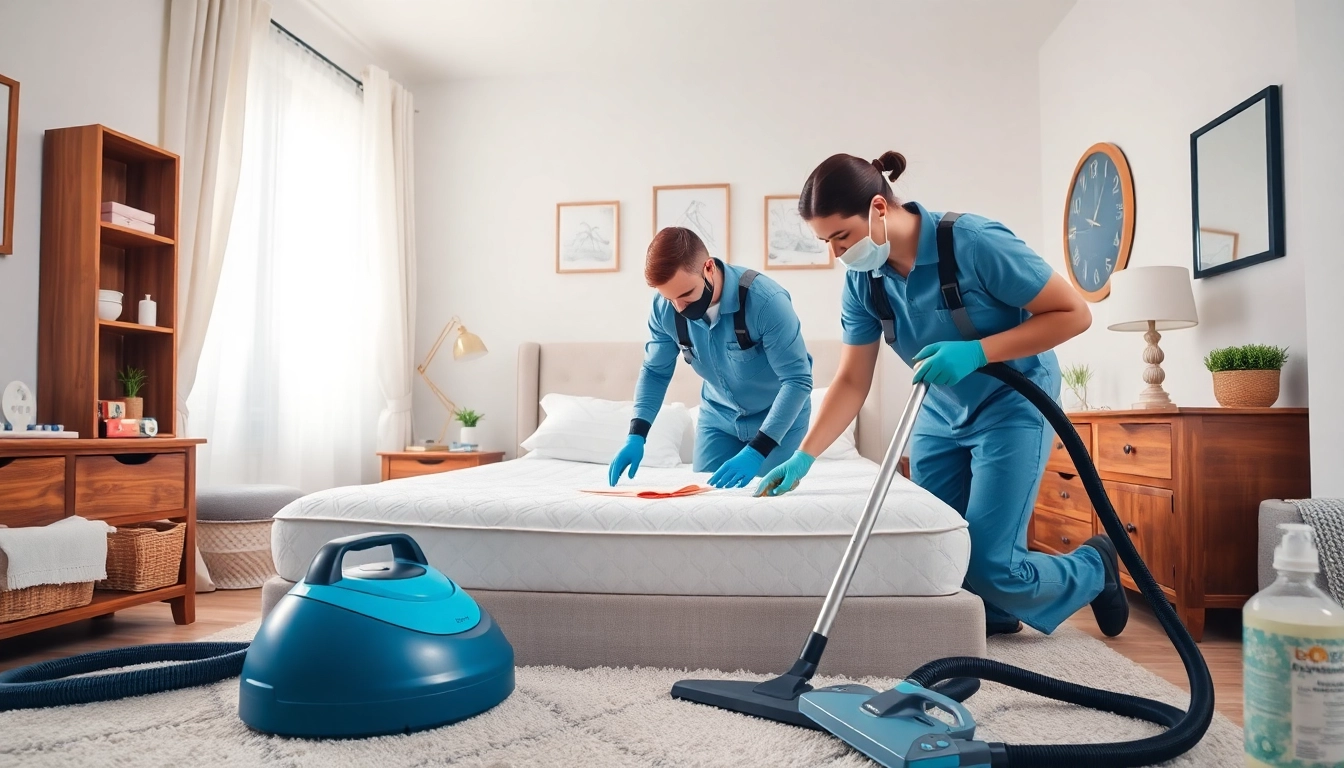
Understanding Bed Bug Infestations
What are Bed Bugs?
Bed bugs, scientifically known as Cimex lectularius, are small, oval, reddish-brown insects that feed on the blood of humans and animals. Typically measuring about 1/4 inch in length, they are elusive pests that thrive in warm environments, making homes, hotels, and various forms of public accommodation their preferred habitats. They are nocturnal, feeding primarily at night and hiding in various crevices during the day. These pests can easily travel from one location to another through clothing, luggage, and furniture, contributing to their rapid spread.
Signs of an Infestation
Recognizing the signs of a bed bug infestation early can significantly help in managing and eradicating the problem. Common indicators include:
- Bite Marks: Red, itchy welts on the skin, often grouped in lines or clusters.
- Blood Spots: Small dark or red stains on bedding or furniture, indicative of bed bugs feeding.
- Shell Casings: Exoskeletons left behind after bed bugs molt, usually found in hiding spots.
- Fecal Stains: Dark spots of feces resembling tiny ink marks can be found on sheets, mattresses, and surrounding furniture.
- Musty Odor: A peculiar, sweet yet musty scent indicates a larger infestation, as it is exuded by bed bugs themselves.
Health Implications of Bed Bugs
Although bed bugs are not known to transmit any specific diseases, their bites can lead to several health issues. Most commonly, affected individuals may experience allergic reactions resulting in severe itching, inflammation, and secondary infections due to scratching. In some cases, the psychological impact, including anxiety and sleep disturbances, can be significant. Therefore, addressing a bed bug infestation promptly is crucial for maintaining both physical and mental well-being.
Effective Bed Bug Removal Methods
Chemical Treatments vs. Natural Solutions
The battle against bed bugs often involves the consideration of various treatment methods. Chemical treatments may involve the use of EPA-approved insecticides specifically designed for bed bugs. It is essential to apply these chemicals according to the manufacturer’s guidelines for safe and effective extermination.
On the other hand, natural solutions, which include essential oils such as tea tree oil and diatomaceous earth, can be employed for bed bug removal, although their efficacy is often debated. These options may be safer for families and pets but usually require more extensive, continuous application to achieve effective results.
Professional Exterminator Services
For severe infestations, hiring a professional pest control service specializing in bed bug removal is often the most effective course of action. Professionals can assess the extent of the infestation, develop a targeted treatment plan, and use advanced techniques such as heat treatment, which can eradicate bed bugs at all life stages. Ultimately, choosing a certified exterminator offers an assurance of expertise and thorough follow-up care, which can be crucial in ensuring a bed bug-free environment.
DIY Bed Bug Removal Techniques
For those inclined to tackle bed bugs on their own, several DIY methods can be effective. Consider the following strategies:
- Heat Treatment: Bed bugs cannot survive temperatures above 120°F (49°C). Washing and drying infested items on high heat is crucial.
- Vacuuming: Regularly vacuuming carpets, upholstery, and crevices can significantly reduce the population of bed bugs.
- Sealing Cracks: Inspect your home and seal any cracks and crevices in walls or furniture where bed bugs may hide.
- Encasement: Using bed bug-proof encasements on mattresses and box springs can prevent bed bugs from infesting these areas.
Preventing Future Infestations
Best Practices for Homeowners
Prevention is as essential as treatment when it comes to bed bugs. Homeowners should implement proactive measures to reduce the risk of re-infestation. Regularly inspecting second-hand furniture and luggage is vital. Additionally, keeping a tidy living space, minimizing clutter, and using preventive barriers like bed bug interceptors under bed legs can help keep these pests at bay.
Maintaining a Bed Bug-Free Environment
Regular cleaning routines such as vacuuming and washing linens should become a standard practice in any household. Consider treating fabrics with bed bug deterrents, and maintain vigilance during travel by inspecting hotel rooms for signs of bed bugs before settling in.
How to Safeguard Your Belongings
When returning home from travel, unpack your bags in a designated area away from bedrooms. Thoroughly wash clothes and inspect luggage for any signs of bed bugs. Using protective encasements for mattresses and pillows can also protect these high-risk items from potential infestations.
Cost Analysis of Bed Bug Removal
Factors Affecting Removal Costs
The cost of bed bug removal can vary significantly based on numerous factors, including the size of the infestation, the type of treatment chosen, geographical location, and the size of the premises. Generally, more extensive infestations requiring advanced techniques will incur higher expenses. A thorough inspection by a professional can help provide a clearer estimate.
Cost Comparison: DIY vs. Professional Services
While DIY solutions may seem less costly initially, potential hidden costs such as repeated treatments, materials, and the risk of unsuccessful outcomes must be considered. In contrast, professional services, while more expensive upfront, often provide guarantees and follow-up treatments, which may represent a better long-term investment.
Insurance and Expense Coverage
Many homeowners’ insurance policies do not cover pest control services, including bed bug removal. It is advisable to review your policy and discuss pest-related coverage with your insurance provider, as some may offer add-on coverage for pest control.
FAQs About Bed Bug Removal
How long does bed bug removal take?
The duration of bed bug removal varies based on the severity of the infestation and the chosen method. Professional treatments can take a few hours, but follow-up checks may continue for weeks.
What are the signs I should look for after treatment?
Post-treatment, watch for any returning itching, new bite marks, or the presence of shed skins, indicating that bed bugs may still be present.
Can I handle bed bug removal myself?
Yes, DIY methods can be effective, but they often require thorough knowledge and adherence to safety protocols to ensure effectiveness.
Do bed bugs cause diseases?
While bed bugs don’t transmit diseases, their bites can lead to allergic reactions and secondary skin infections from scratching.
How can I prevent bed bugs from returning?
Regular cleaning, careful inspection during travel, and proactive preventive measures like utilizing encasements are integral to preventing re-infestations.