
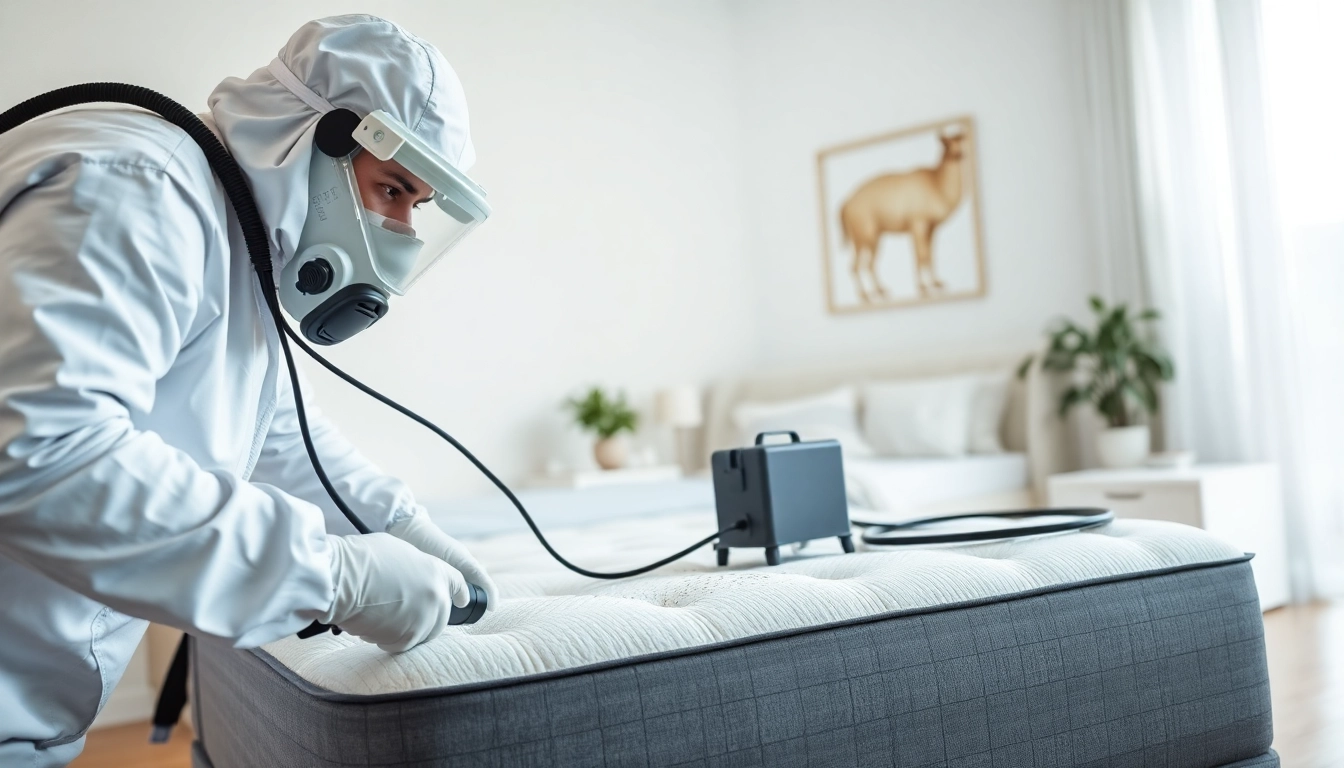
Understanding Bed Bug Removal
What are Bed Bugs?
Bed bugs are small, parasitic insects that feed on the blood of humans and animals. They have a reddish-brown color, are about the size of an apple seed, and are nocturnal, making them elusive and hard to spot. These pests thrive in clean, cluttered environments and can be found in various settings, from homes to hotels. Their presence has nothing to do with hygiene, as they can be picked up from public spaces and can rapidly spread if not managed properly. For effective bed bug removal, understanding these pests is the first step.
Signs of Infestation
Detecting a bed bug infestation early is crucial for effective management. Signs include:
- Physical Bites: Red, itchy welts on the skin, often in clusters or lines.
- Blood Stains: Small, dark spots on linens or mattresses from crushed bed bugs.
- Fecal Spots: Dark spots on bedding or nearby surfaces.
- Eggs and Shells: Tiny, white eggs and molted skins indicate ongoing activity.
Regularly inspecting your sleeping areas can help catch these signs before they escalate into a full-blown infestation.
The Importance of Timely Removal
Acting quickly when you identify bed bugs is vital. An infestation can grow exponentially within a few weeks, making the situation more difficult and expensive to manage. Delaying treatment can also lead to physical discomfort due to bites and result in emotional stress. For these reasons, considering professional bed bug removal is often advisable.
Professional vs. DIY Bed Bug Removal
When to Hire Professionals
Hiring a professional pest control service is recommended under certain circumstances. If the infestation is extensive, or if you have difficulty identifying breeding sites, enlisting professionals can save you time and stress. They have the expertise and tools necessary to implement comprehensive solutions effectively.
Common DIY Methods
For minor infestations, various DIY methods can be effective. These include:
- Washing Linens: High-temperature washing and drying can kill bed bugs in your bedding and clothing.
- Vacuuming: A thorough vacuuming of your home, particularly in seams of mattresses and furniture, can remove bugs and eggs.
- Steam Cleaning: Applying steam to infested areas can effectively kill bugs and their eggs.
- Diatomaceous Earth: This powder can be sprinkled in infested areas to dehydrate and kill bed bugs.
While these methods can provide temporary relief, they may not eliminate the problem completely, making a professional consultation necessary for persistent cases.
Cost Comparison of Solutions
When considering solutions, the costs can vary significantly. DIY methods often involve minimal upfront expenses, usually related to cleaning supplies and potential treatment products. Conversely, professional services can range from moderate to high costs, dependent on the size of the infestation and the type of methods employed.
In general, investing in professional bed bug removal should be viewed as a long-term solution, while DIY methods can serve as stopgaps that may need to be repeated frequently.
Preparation for Bed Bug Removal
Steps Before Treatment
Preparation for bed bug treatment is essential in ensuring effectiveness. Key steps include:
- Clearing the Area: Remove personal items and clutter from the treatment area to allow easier access for pest control methods.
- Washing Fabrics: Launder bedding, curtains, and clothing in hot water prior to treatment.
- Vacuuming Thoroughly: Focus on all infested areas, including the mattress, box spring, and dark corners where bed bugs might hide.
Cleaning Your Space
Cleansing your space can accelerate the effectiveness of remediation efforts. Utilize a vacuum with a disposable bag and dispose of the bag immediately to minimize the risk of reinfestation. During cleaning, pay close attention to areas around baseboards, furniture legs, and the seams of mattresses. After vacuuming, seal and dispose of any vacuum bags in an external trash bin.
Preventing Recurrence
Post-treatment prevention is essential to keep bed bugs from returning. Consider the following strategies:
- Encasements: Use mattress and box spring encasements designed to prevent bed bugs from entering or escaping.
- Clutter Management: Keeping your home organized and free of clutter reduces hiding spots.
- Regular Inspections: Conduct periodic checks of your sleeping areas and furniture for signs of returning pests.
Advanced Bed Bug Removal Techniques
Heat Treatments Explained
Heat treatment involves raising the temperature of infested areas to a lethal level (approximately 118°F) for an extended period. This method can effectively eradicate both adult bed bugs and their eggs. Professionals use specialized equipment to ensure heat penetrates areas where bed bugs hide, ensuring that the entire infested environment reaches the desired temperature.
Chemical Treatments Overview
Chemical treatments can include insecticides formulated specifically for bed bugs. These products might be applied in cracks, crevices, and other hiding spots. It’s important to adhere to safety guidelines and application instructions to avoid health risks. Combining multiple treatment methods can often yield the best results, as resistant behavioral traits may develop in bed bug populations over time.
Integrated Pest Management Approaches
Integrated Pest Management (IPM) blends multiple control tactics for a comprehensive approach. Techniques include biological control (such as introducing natural predators), cultural controls (like modifying how you use the space), and mechanical controls (like trapping). IPM promotes long-term solutions rather than quick fixes, leading to sustainable bed bug management.
Post-Treatment Care and Monitoring
Signs of Success
After treatment, monitor for signs of ongoing activity. If bites decrease and there are no new fecal marks or live bugs noted, the treatment has likely been effective. However, continued vigilance is necessary, as it may take several weeks to confirm complete eradication, particularly if eggs remained previously.
Continuous Monitoring Techniques
Post-treatment, it’s crucial to implement monitoring strategies. Using bed bug interceptors under mattress and furniture legs can catch any wandering bugs. Regular inspections involving visual checks of bedding and seams can help catch any renewed activity early.
Long-term Prevention Strategies
Implementing long-term strategies can prevent future infestations. Educate yourself on bed bug behaviors and conduct regular home inspections. Share knowledge with guests and family members about prevention in public spaces. Using mattress encasements and keeping clutter to a minimum remains essential for ongoing control.
Frequently Asked Questions
What are common signs of bed bugs?
Common signs include red, itchy bites, blood stains on bedsheets, dark fecal spots, and the presence of eggs or skin shells.
Can you get rid of bed bugs on your own?
While DIY methods can help, severe infestations typically require professional intervention for effective eradication.
How fast can bed bugs reproduce?
Bed bugs reproduce quickly, with females laying up to 5 eggs daily, leading to significant population growth in a matter of weeks.
Is it safe to stay in a bed after treatment?
After treatment, it’s generally safe to sleep in your bed, but waiting a few hours to ensure treatment effectiveness is advisable.
How can I prevent bed bugs from returning?
Regular inspections, reducing clutter, using encasements, and applying preventive treatments can minimize the risk of return.