Understanding Crawl Space Restoration
What is Crawl Space Restoration?
Crawl Space Restoration encompasses a variety of techniques aimed at repairing and maintaining the space beneath your home. This often neglected area is vital to a home’s overall health and longevity. Restoration efforts typically target moisture control, structural integrity, air quality, and pest prevention. The necessity for Crawl Space Restoration may arise from various factors, including water damage, mold growth, and deterioration from pests.
Why is Crawl Space Restoration Important?
The importance of crawl space restoration can not be overstated. A well-maintained crawl space contributes significantly to the structural integrity of your home, protects against moisture-related issues, and promotes healthier indoor air quality. Moisture and contaminants from crawl spaces can infiltrate the home, affecting not just the structural components, but also the health of its inhabitants. Engaging in crawl space restoration proactively can save homeowners from expensive repairs down the line.
Common Issues Addressed in Crawl Space Restoration
Several prevalent issues necessitate crawl space restoration, including:
- Moisture intrusion: Excessive moisture can lead to mold and wood rot.
- Pest infestations: Rodents and insects often make their homes in damp, dark crawl spaces.
- Structural damage: Deterioration of support beams and flooring can occur if moisture isn’t managed.
- Mold growth: Mold thrives in humid environments, which can cause health problems for residents.
Signs You Need Crawl Space Restoration
Identifying Dampness and Mold
One of the most critical indicators of issues in your crawl space is the presence of dampness and mold. If you notice a musty smell, or see visible mold growth, it’s crucial to address the moisture issue immediately. Lingering moisture can lead to serious health complications and severe damage to your home. Regular inspections can help catch these problems before they worsen.
Crumbling Structural Elements
Crumbling or rotting structural elements such as beams and joists can indicate long-term moisture exposure. Once you spot any signs of deterioration, it’s essential to engage in restoration efforts swiftly. Weakened structures can compromise the integrity of your entire home.
Pest Infestations in Crawl Spaces
Pest infestations in crawl spaces are another clear sign that restoration is necessary. If you are spotting rodents, insects, or even larger pests, these creatures often thrive in dark, damp environments. Restoration may be required not only to eliminate existing pests but also to create an environment that deters them in the future.
Steps Involved in Crawl Space Restoration
Assessment and Inspection Process
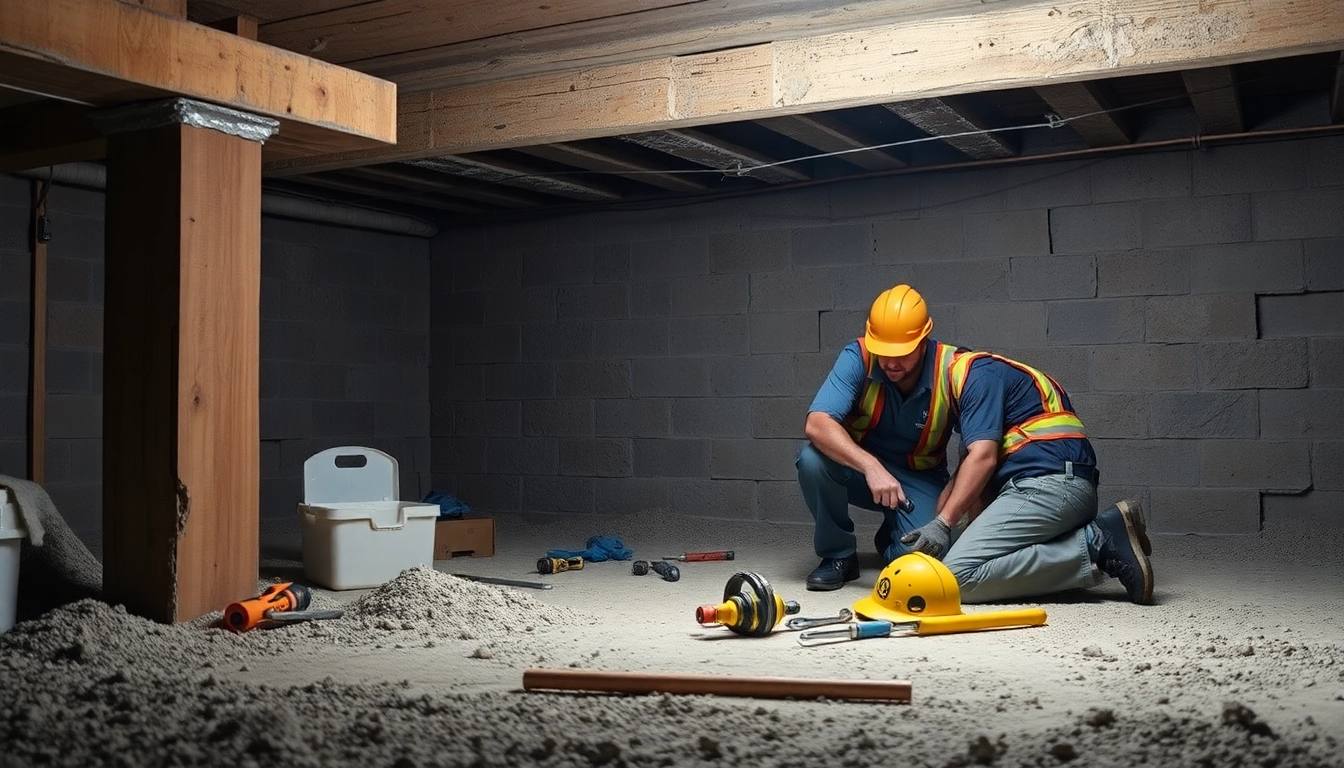
The first steps in crawl space restoration involve a thorough assessment and inspection process. Homeowners should look for signs of moisture infiltration, structural damage, and pest infestations. A comprehensive inspection by a professional can identify hidden issues that may not be visible to the untrained eye.
Required Tools and Materials for Restoration
Typical tools and materials needed for effective crawl space restoration include:
- Moisture meters
- Dehumidifiers
- Insulation materials
- Air quality monitors
- Sealants and encapsulation liners
Having the appropriate tools ensures that restoration efforts are both thorough and effective.
Executing Effective Repair Techniques
After assessment, effective repair techniques can be executed. This may involve sealing cracks, removing mold, adding moisture barriers, and ensuring proper ventilation. Each home’s crawl space has unique challenges, so tailored solutions are essential to address specific issues effectively.
Crawl Space Restoration Techniques
Encapsulation Methods Explained
Encapsulation involves sealing crawl spaces with heavy-duty plastic sheeting to prevent moisture intrusion. This method minimizes humidity and protects against mold growth and pests. A well-executed encapsulation can drastically enhance the conditions of a crawl space, making it a critical part of any restoration plan.
Moisture Control Solutions
Implementing moisture control solutions is essential for effective crawl space restoration. Solutions may include installing vapor barriers, dehumidifiers, and sump pumps, which help in managing moisture levels and protecting structural components from water damage.
Insulation Options for Crawl Spaces
Proper insulation is another critical aspect of crawl space restoration. It helps maintain temperature and humidity levels, reducing energy expenditures and enhancing comfort. Insulation options typically include fiberglass batts, foam board, or spray foam insulation, each offering unique benefits depending on the specific conditions and needs of the crawl space.
Benefits of Professional Crawl Space Restoration
Improved Home Air Quality
Professionally restored crawl spaces can significantly improve indoor air quality. Without intervention, pollutants and allergens generated from mold and pests can circulate throughout the home. Restoration helps purify the air, creating a healthier living environment for occupants.
Enhanced Property Value
Crawl space restoration can enhance property value, as prospective buyers will appreciate a home with a well-maintained foundation. Regular maintenance and restoration are indicators of a responsible homeowner, making it an attractive feature in the real estate market.
Long-term Structural Integrity
Lastly, crawl space restoration is crucial for the long-term structural integrity of a home. By addressing moisture, pests, and other potential issues early on, homeowners can prevent significant damage and costly repairs in the future. Maintaining the crawl space means preserving the entire home.
FAQs About Crawl Space Restoration
What causes crawl space issues?
Crawl space issues are typically caused by moisture accumulation, lack of ventilation, and pest infestations, leading to mold growth and structural damage.
How often should I inspect my crawl space?
Ideally, crawl spaces should be inspected at least once a year and after significant weather events to catch any developing issues early.
Can I perform crawl space restoration myself?
While some minor tasks can be done by homeowners, significant restoration efforts are best left to professionals to ensure comprehensive solutions and safety.
What are the signs of mold in a crawl space?
Signs of mold include a musty smell, visible mold growth, and sticky surfaces, indicating moisture and potential health hazards.
How can I improve ventilation in my crawl space?
Improving ventilation can be accomplished through vents, fans, or dehumidifiers, which help control humidity and improve air quality.