
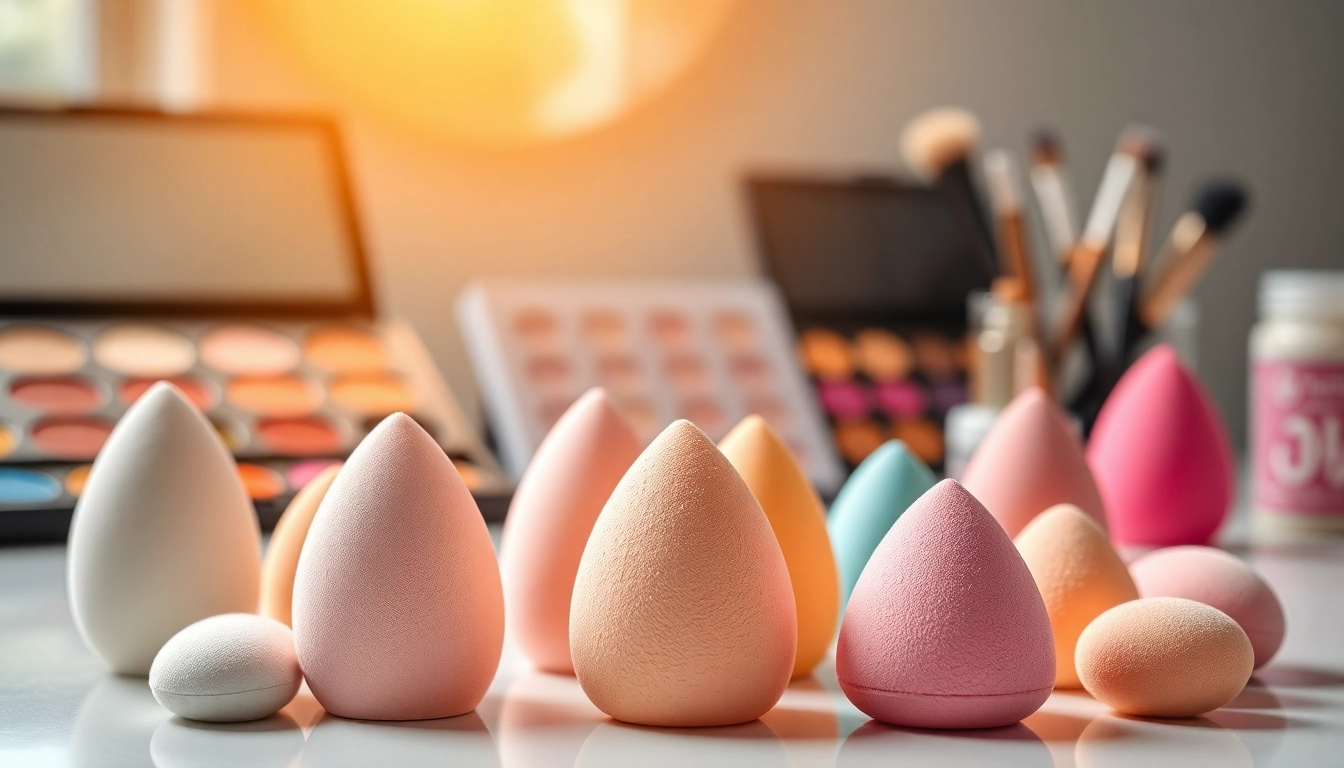
Understanding Silicone Sponge Makeup
The beauty industry is constantly evolving, and one product that has gained remarkable popularity is the silicone sponge makeup. This innovative tool has revolutionized the way many people apply their cosmetics, promising a flawless finish without the mess associated with traditional applicators. Unlike sponges made from porous materials, silicone sponges do not absorb liquids, making them not only easy to use but also exceptionally hygienic. They provide excellent control when applying makeup and minimizing waste. If you want to achieve the perfect complexion with less product, learning about silicone sponge makeup could be your next best step.
The Benefits of Using Silicone Sponges
Silicone sponges have quickly become a favorite among makeup enthusiasts for several compelling reasons:
- Reduced Product Waste: One of the standout features of silicone sponges is their non-porous nature. Unlike traditional sponges, which absorb a significant amount of liquid products, silicone sponges release foundation and cream into the skin rather than soaking it up, leading to a more economical use of makeup.
- Hygienic Application: As silicone sponges are easy to clean and resist bacteria growth due to their non-porous surface, they provide a more sanitary option for blending makeup. Regular cleaning can ward off potential skin irritations, offering peace of mind when applying products.
- Versatile Use: Silicone sponges can be used for various products, including foundations, primers, and cream blushes. They effectively create a seamless look, whether you’re aiming for a natural glow or a full glam finish.
- Easy to Clean: Cleaning silicone sponges is simple. They require just a rinse with soap and water or a specialized sponge cleaner, ensuring that you can easily maintain hygiene and readiness for the next use.
How Silicone Sponges Compare to Traditional Tools
When considering makeup application tools, users often lean towards either brushes, traditional sponges, or fingers. Silicone sponges present unique advantages over these alternatives:
- Brushes: While brushes can provide detailed application, they can also trap product in the bristles, leading to wastage. Silicone sponges, on the other hand, allow for an even distribution of product, leaving a more natural finish.
- Traditional Sponges: Though traditional makeup sponges can deliver excellent results, they are prone to bacterial build-up and require frequent replacement. Silicone sponges are durable and less likely to harbor bacteria, making them a more sensible choice for those seeking longevity and cleanliness.
- Fingers: Applying makeup with fingers can sometimes lead to a more tactile experience. However, silicone sponges offer a controlled and blended finish that is hard to achieve with fingertips alone.
Choosing the Right Silicone Sponge for Your Needs
With various shapes and sizes available, selecting the right silicone sponge is essential for effective makeup application. Here’s what to look for:
- Shapes: Silicone sponges come in diverse shapes such as flat, rounded, and even those mimicking the shape of traditional beauty blenders. Choose one that feels comfortable and is designed for your primary use, whether it’s for foundation or contouring.
- Size: Consider the size of the sponge in relation to your face. Smaller sponges are ideal for detailed work such as under-eye concealing, while larger versions can be utilized for foundation application.
- Quality: Higher quality silicone sponges tend to be softer and more flexible, allowing for better blending. Investing in a quality sponge can contribute greatly to the overall makeup application experience.
Step-by-Step Guide to Application
Prepping Your Skin for Silicone Sponge Makeup
Before diving into makeup application, preparing your skin is crucial for achieving a flawless look. Follow these steps:
- Cleanse: Start with a clean face. Use a gentle cleanser to remove any dirt, oil, and previous makeup residue.
- Exfoliate: Exfoliating your skin can create a smooth surface for your makeup. Focus on areas prone to dryness or flakiness, as these can disrupt even application.
- Moisturize: Apply a lightweight moisturizer suited for your skin type to hydrate your face. Allow it to absorb fully before moving on to foundation.
- Prime: Using a makeup primer can enhance the longevity of your makeup. Apply a suitable primer that addresses your specific skin concerns—be it oil control, textural improvements, or luminosity.
Techniques for Effortless Application
To make the most of silicone sponge makeup, apply the following techniques:
- Dab, Don’t Wipe: When applying foundation, use a dabbing motion rather than a sweeping one. This technique ensures that the product adheres to the skin effectively and prevents streaking.
- Layer Gradually: Start with a small amount of product and build up to your desired coverage. This method prevents over-application and helps avoid a cakey appearance.
- Use the Right Side: If your silicone sponge has two sides, utilize the different textures wisely. The smoother side can be great for foundation, while the textured side may work better for highlighters or cream blushes.
Blending Tips for a Seamless Finish
A seamless finish is crucial when applying makeup with silicone sponges. Consider these blending tips:
- Work in Sections: Apply makeup in sections—forehead, cheeks, chin—rather than all over the face at once. This gives you more control and ensures thorough blending in each area.
- Keep it Hydrated: If you find the product feels stiff or difficult to blend, consider using a setting spray or face mist to keep both your sponge and makeup hydrated during application.
- Check in Natural Light: After application, check your makeup in natural light to ensure an even finish. This can reveal patches or streaks that may need additional blending.
Cleaning and Maintaining Your Silicone Sponges
Best Practices for Hygiene and Care
Maintaining the hygiene of your silicone sponge is essential. Here are some best practices:
- Regular Cleaning: Clean your silicone sponge after every use. Even though it doesn’t harbor bacteria like traditional sponges, it’s still important to prevent buildup from makeup products.
- Spot Clean: Keep a gentle soap solution handy to spot clean it quickly after one-time use, especially if you’re switching between products.
- Store Properly: Always store your sponge in a clean, dust-free place. Using a small bag or case can protect it from contaminants.
Effective Cleaning Techniques
To clean your silicone sponge, follow these straightforward techniques:
- Soap and Water: Rinse the sponge under warm water and apply a small amount of mild soap. Gently rub the surface to remove any makeup residue. Rinse thoroughly and let air dry.
- Sponge Cleaner: Consider investing in a specialized sponge cleaner that can effectively break down makeup products without damaging the sponge.
Storage Solutions to Extend Lifespan
To ensure the longevity of your silicone sponge, follow these storage solutions:
- Avoid Heat and Humidity: Store your sponge away from direct sunlight and humid areas, as heat can degrade the silicone over time.
- Use a Holder: A holder or a breathable pouch is ideal to protect it from dust and potential damage while allowing it to breathe.
Common Mistakes to Avoid
Over-application and Its Effects
One common mistake with silicone sponges is using too much product. This can lead to a cakey appearance that can make your makeup look unnatural. Instead, start with a small amount and gradually build up to your desired coverage. Less is often more.
Neglecting Skin Prep
Failing to adequately prep your skin can lead to uneven application. Always ensure you cleanse, exfoliate, and moisturize before application to create a smooth canvas.
Using the Wrong Products with Silicone Sponges
Silicone sponges work best with liquid and cream formulations. Attempting to use them with powder products can lead to poor results, as the non-absorbent surface does not allow for proper distribution of powders.
Frequently Asked Questions About Silicone Sponge Makeup
Are silicone sponges suitable for all skin types?
Yes, silicone sponges work well on most skin types, providing a smooth application without absorbing too much product.
How long do silicone sponges last?
With proper care, silicone sponges can last several months, making them a cost-effective choice for makeup application.
Can silicone sponges replace regular makeup brushes?
While silicone sponges are great for liquid foundations and creams, some users still prefer brushes for detailed work.
How do I clean my silicone sponge?
Clean your silicone sponge with warm soap and water or a specialized sponge cleaner to maintain its hygiene and performance.
What makeup products work best with silicone sponges?
Silicone sponges work best with liquid and cream products but may not suit powder formulations.