
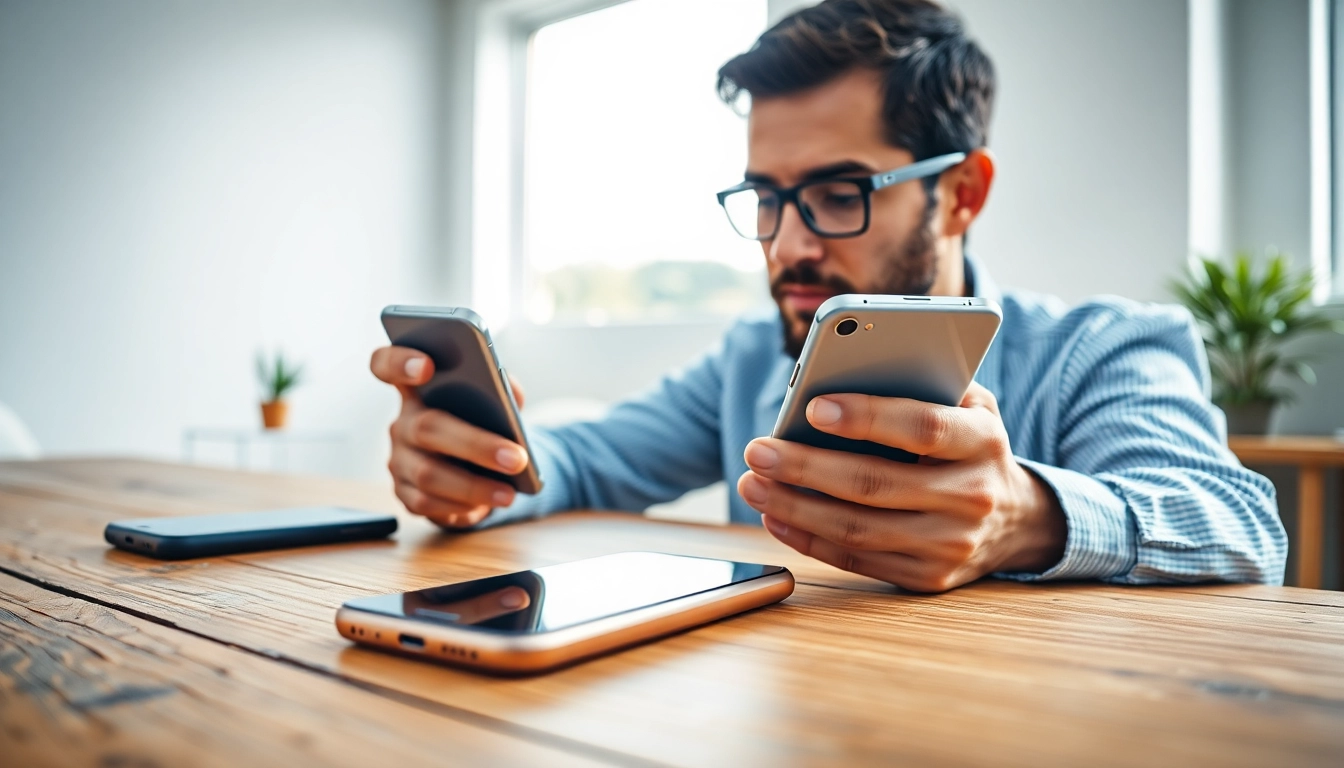
Understanding the Market for Used Phones
Current Trends in Smartphone Resale
The smartphone resale market has grown exponentially in recent years, fueled by the rapid pace of technological advancements and consumers’ desire for the latest devices. As new models are introduced, older phones quickly fall in value—yet they often still hold significant worth for resale. Trends indicate a rising consumer preference for refurbished devices due to sustainability concerns and cost-effectiveness, positioning used phones as desirable options for budget-conscious buyers.
Factors Influencing Phone Value
The value of a used phone is influenced by several critical factors. Key aspects include the model and brand, the device’s condition (physical and functional), market demand, historical sales data, and the presence of original accessories, such as chargers and packaging. Furthermore, the release of newer models can lead to a swift depreciation of older ones. It’s vital to stay informed about these factors to maximize your selling price.
Where to Find Best Selling Platforms
There are various platforms to sell your phone, including dedicated buy-back websites, online marketplaces, and local services. Researching each platform’s fees, audience reach, and security measures can help you choose the best option for your needs. Sites like online auction forums or local classifieds can provide opportunities for higher profit margins but may also involve additional risks.
Preparing to Sell Your Phone
Cleansing and Resetting Your Device
Before listing your phone for sale, it’s crucial to prepare it properly. Start by performing a factory reset to erase all personal data and restore default settings. This step protects your privacy and provides the new owner with a clean slate. Additionally, clean the phone physically to ensure it is presentable, as this can significantly influence buyer interest and selling price.
Assessing Phone Condition Accurately
Buyers are often wary of the condition of used phones. An accurate assessment involves evaluating both the cosmetic and operational aspects of your device. Check for scratches, dents, and screen damage, as well as functionality for features like cameras, speakers, and battery life. It’s wise to be honest about any imperfections — transparency builds trust and reduces the likelihood of disputes after the sale.
Gathering Necessary Accessories and Documentation
Having the original box, charger, and accessories can enhance your phone’s appeal and increase its value. Documentation such as purchase receipts, warranty details, and repair records can also persuade potential buyers of the phone’s authenticity and condition. Make sure to compile these items when preparing for sale, as they enhance the overall package offer.
Best Practices for Selling Your Phone
Creating Effective Listings
An engaging and thorough listing is crucial for attracting buyers. Use high-quality images showcasing all angles and any included accessories. Write clear and detailed descriptions, including specifications, condition assessments, and any unique features. The more information you provide, the more confidence a buyer will have in making a purchase.
Marketing Strategies to Attract Buyers
Implementing effective marketing strategies can broaden your potential buyer pool. Utilize social media platforms to share your listing—join relevant groups where potential buyers might be searching for deals. Craft compelling posts to highlight your phone’s benefits, and consider using attractive offers such as discounts for quick sales or bundled deals.
Negotiation Tips for a Better Price
When setting a price for your phone, determine a reasonable asking price based on market research and the specific condition of your device. Prepare to negotiate—many buyers will expect this. Start slightly above your bottom line to leave room for discussion, and be ready to justify your price based on the phone’s features and condition. Polite, open communication can facilitate better negotiations.
Secure Transaction Methods
Payment Options for Smooth Transfers
Ensuring secure payment methods is crucial for both parties. Options such as PayPal, Venmo, or cash are common choices. If you’re meeting in person, ensure that you’re in a safe location and consider bringing a friend. If dealing through online platforms, verify the payment before shipping the device to avoid scams.
Safety Measures During Transactions
Safety should be a priority during any transaction. Always meet buyers in public places and avoid receiving personal checks or money orders, as these can carry risks of fraud. If meeting someone from online platforms, communicate through the platform’s secure messaging services to keep your contact information private until you are comfortable.
Handling Disputes and Returns
In the event of a dispute, having clear terms of sale can protect you. Communicate your return policy upfront, specifying conditions under which returns are accepted. It’s important to be transparent about the phone’s condition to mitigate the chances of returns or disputes. If a buyer expresses dissatisfaction, work towards an amicable resolution to maintain a positive transaction experience.
FAQs on Selling Your Phone
What factors affect how much I can sell my phone for?
Factors include brand and model, condition (physical and functional), market demand, and included accessories. Recent model releases can also impact pricing.
How do I prepare my smartphone for sale?
To prepare, perform a factory reset to erase data, clean the device thoroughly, and assess its condition accurately for transparency with potential buyers.
Where is the best place to sell my phone?
Consider platforms like online marketplaces, dedicated buy-back websites, or local services that align with your selling preferences and potential safety measures.
Are there risks involved in selling my phone online?
Yes, risks include buyer scams, issues with payment disputes, and personal safety during in-person transactions. Proper precautions significantly mitigate these risks.
What should I do if the buyer is not satisfied?
Maintain clear communication regarding your return policy. Strive for an amicable solution, considering the condition of the sale and any prior agreements made.